
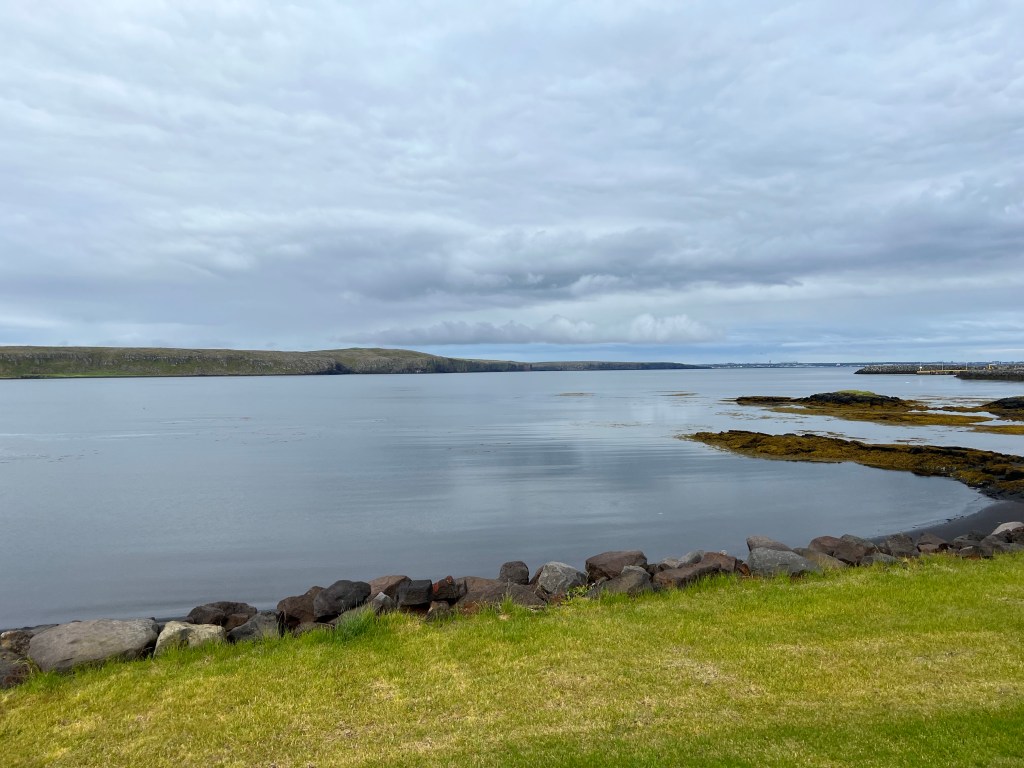
Hello from Iceland! This stop was not on my itinerary, but I missed my connecting flight in Reykjavik so I’ve spent the night here.
This got me thinking about the less-than-obvious connections between the two countries I’ve just visited — Norway and Germany.
Physically, Norway and Germany are separated only by a couple of modest-sized bodies of water: Skagerrak and Kattegat. Skagerrak is the strait just south of the Oslofjord between Norway and Denmark. Kattegat is the strait just south of this, between Denmark and Sweden. Collectively, these two straits and the Danish islands separate the North Sea from the Baltic (or what people in most Germanic-language countries call the East Sea).

Last Tuesday I had the pleasure of journeying by boat between Oslo and Kiel, which took me through this narrow passage (in point of fact, “Kattegat” derives from the Dutch for “cat’s gate” — a gate so narrow only a cat could get through).
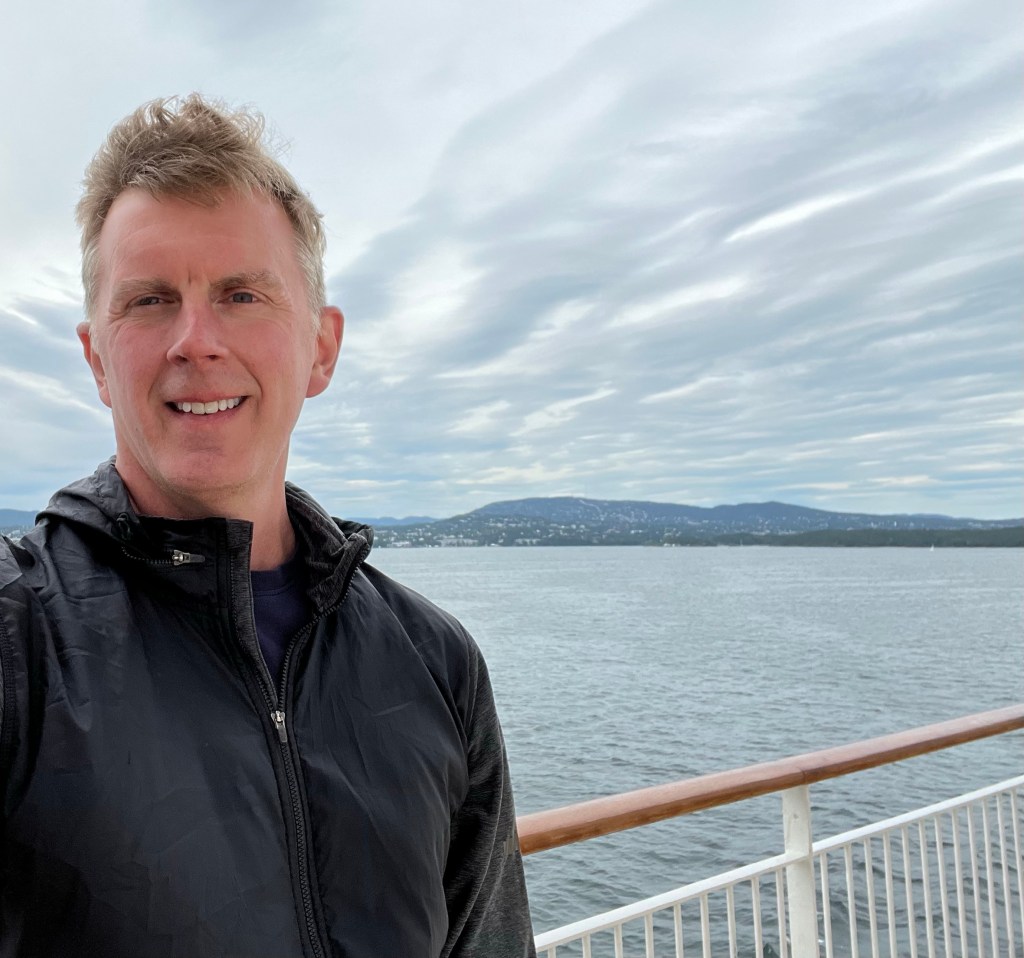
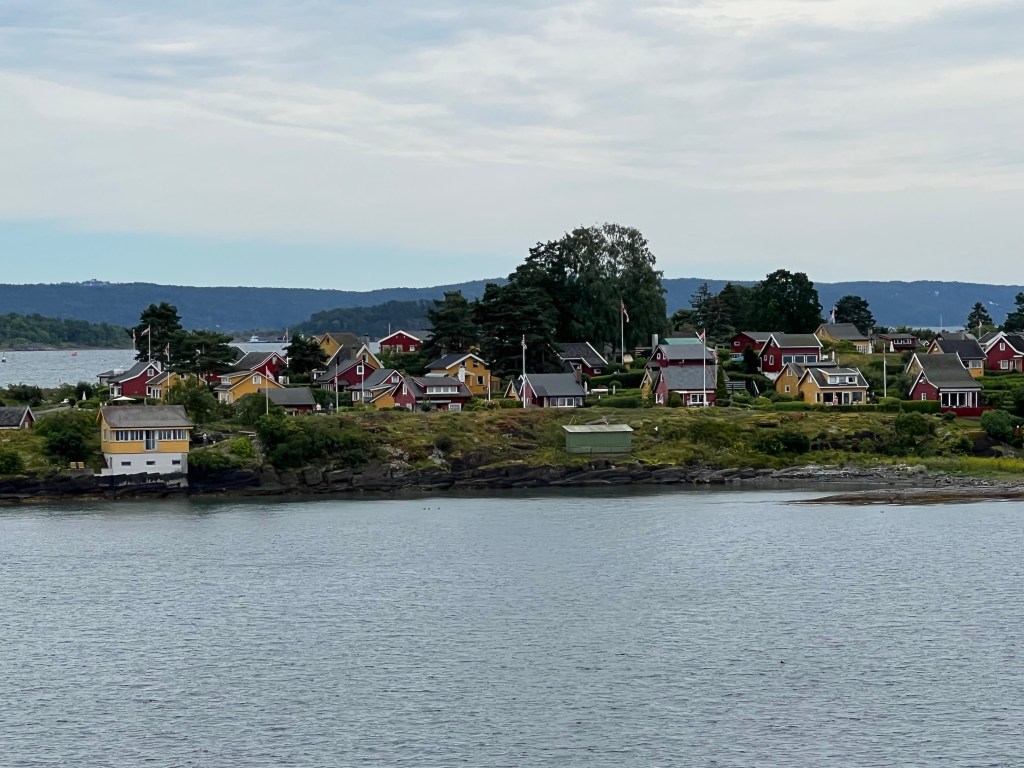
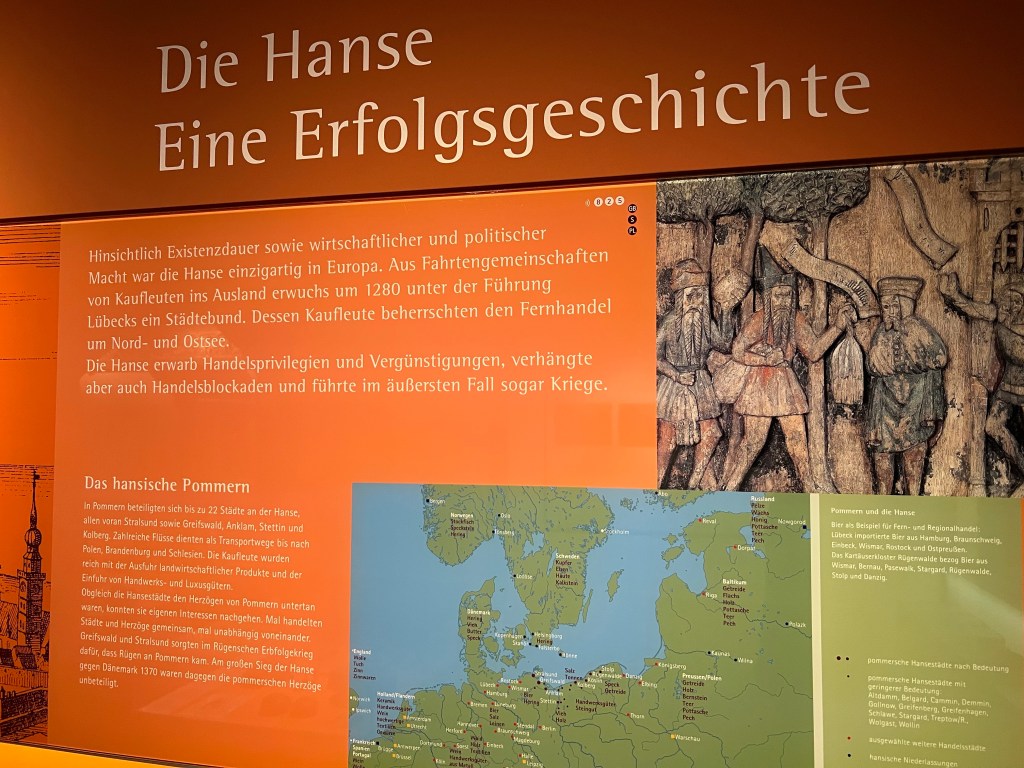
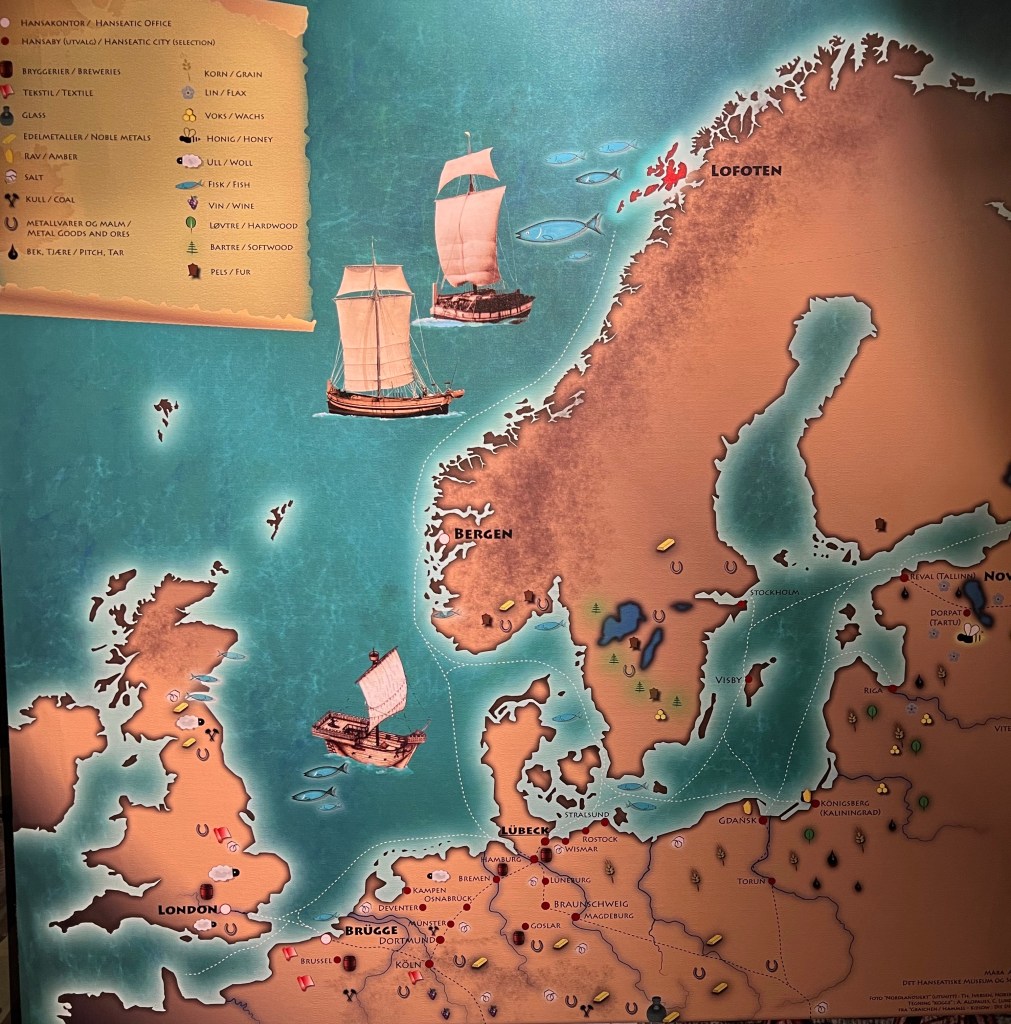
Which brings me to that first not-so-obvious connection between Germany and Norway: the historically important trade in stockfish — i.e., freeze dried fish, typically cod. Skagerrak and Kattegat were the shipping lanes used by the Hanseatic merchants who dominated these seas for centuries. It’s easy to forget about the Hanseatic League, but this confederation of member cities and ports operated a little like its own country from the 13th to the 15th centuries. Some even say it was a precursor to the European Union.
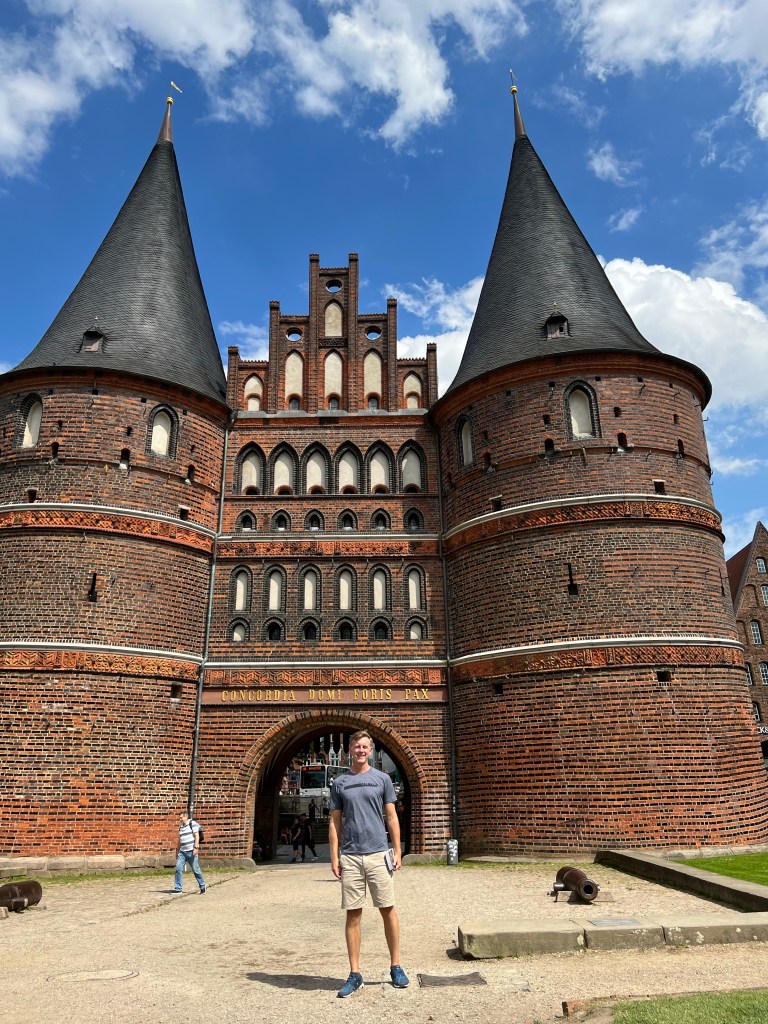
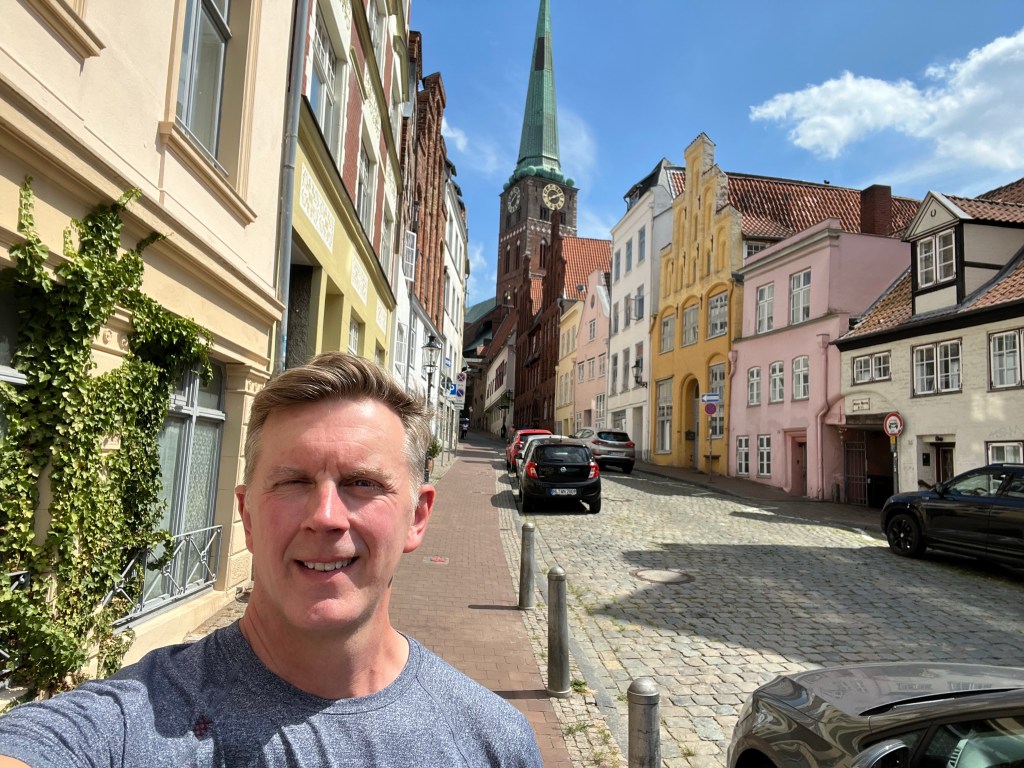
At its center was Lübeck, where the Hanseatic merchants occasionally met to make joint decisions. I took a stroll through Lübeck on Wednesday — a city simply dripping with history.



And I visited two other important Hansa cities — Rostock and Greifswald, each with a sure sense of its place in the world. Rostock in particular was decimated by the War and was rebuilt as a showpiece of Germany history.
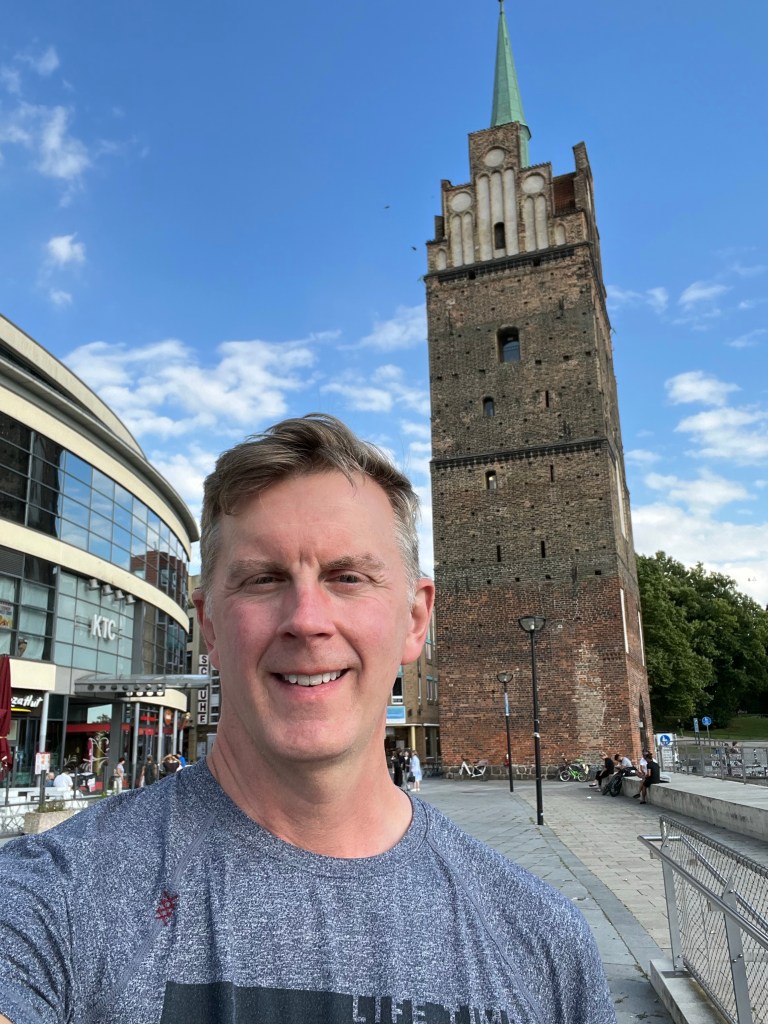

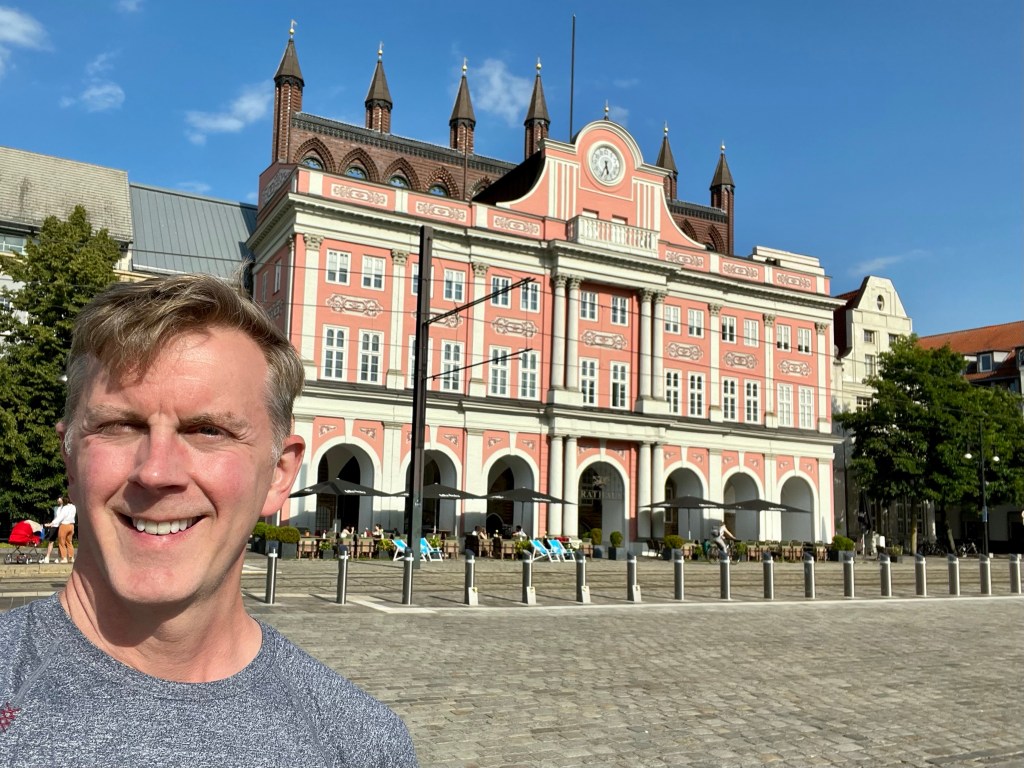


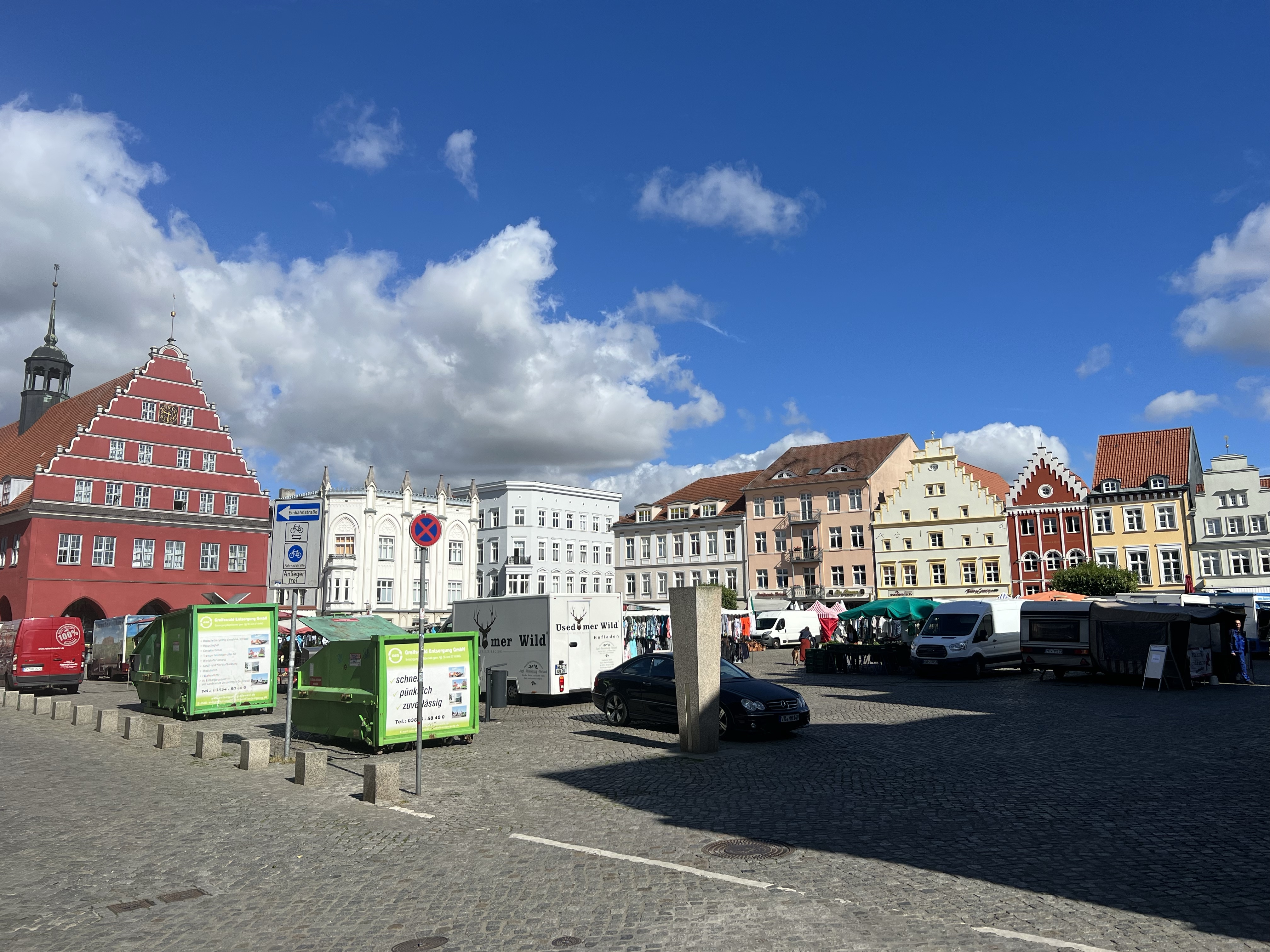
At this point you must be thinking, “Very pretty pictures, Jesse, but what does this have to do with the trade in stockfish?” Ah… that’s where Norway comes in. One of the most important Hanseatic outposts was in Bergen (see my post from a couple of weeks ago). The Hanseatic merchants’ kontor in Bergen was where Europe got its stockfish. And stockfish was big business back in the days before refrigeration.
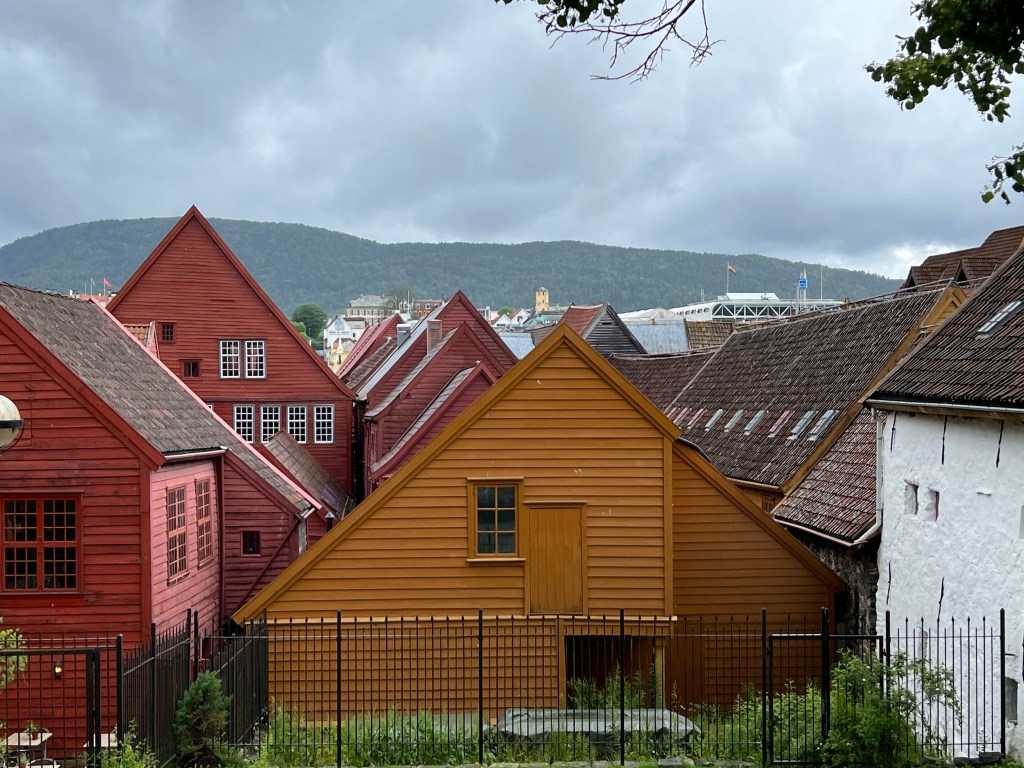
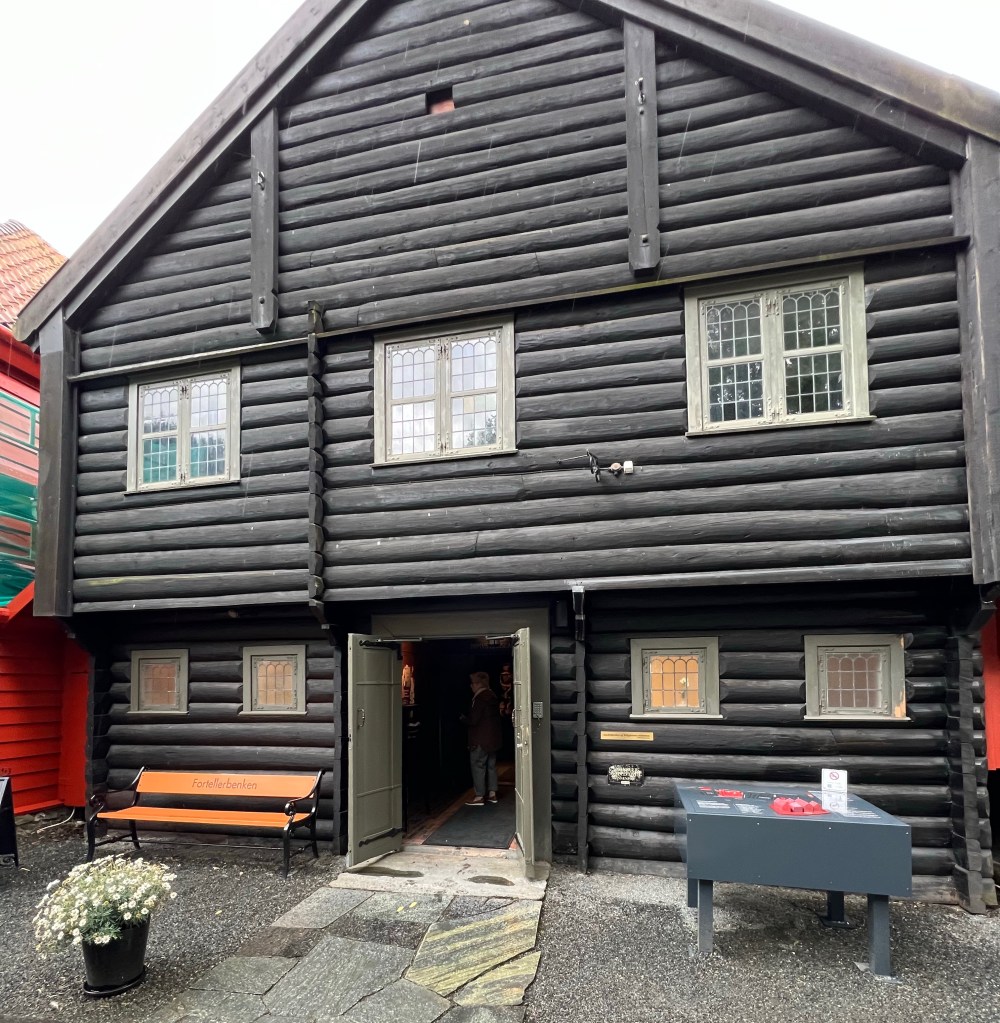
This is a photo of the exterior of a Hansa Kontor in Bergen.
One of the most obvious connections between Norway and Germany is the fact that between April 1940 and May 1945, Norway was occupied by Germany under the Third Reich. (And as I’ve mentioned in a prior post, there’s a fascinating outdoor art exhibit at Roseslottet in Oslo that explores the occupation years.)
But one facet of those War years that is sometimes overlooked is that one of the key leaders of the German resistance against the Nazis exiled himself in Norway (and later Sweden after Norway fell to Germany). That leader was Herbert Frahm. Never heard of him? Of course you haven’t. The world knows him by the name he gave himself while working as a student journalist in Norway — Willy Brandt.
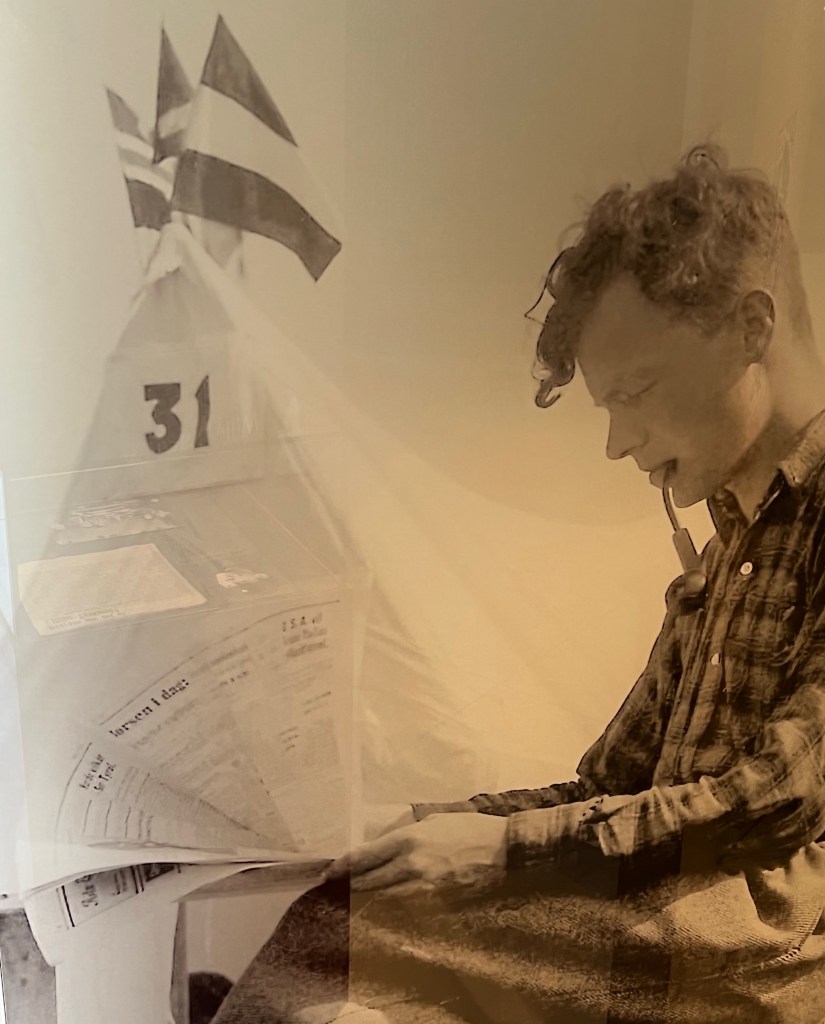
After the War, Brandt went on to become one of Germany’s most famous politicians and leaders. He led West Germany’s Social Democratic Party from 1964 to 1987 and served as the country’s chancellor from 1969 to 1974.
Brandt came to Norway in 1933 to escape persecution from the Nazis, and he quickly became involved with leftist politics and journalism in Norway. Within weeks Brandt was publishing articles in Norwegian about Hitler’s rise to power and urging Norwegians to resist fascism. He also became involved in helping support the nascent workers movement in Norway.
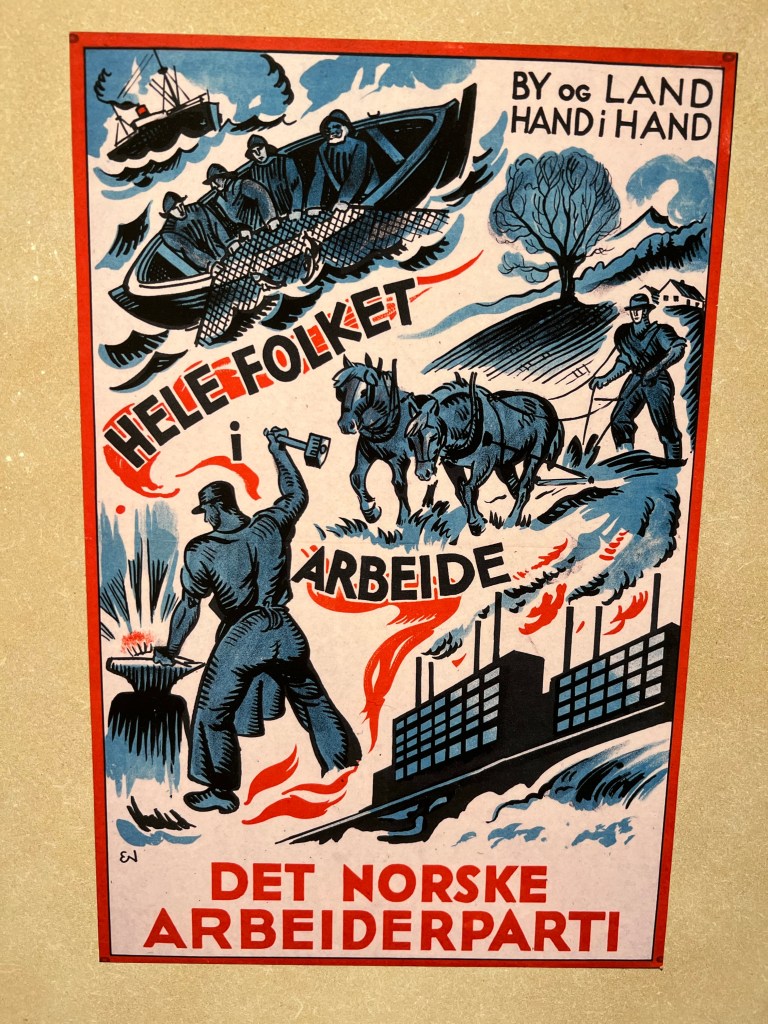
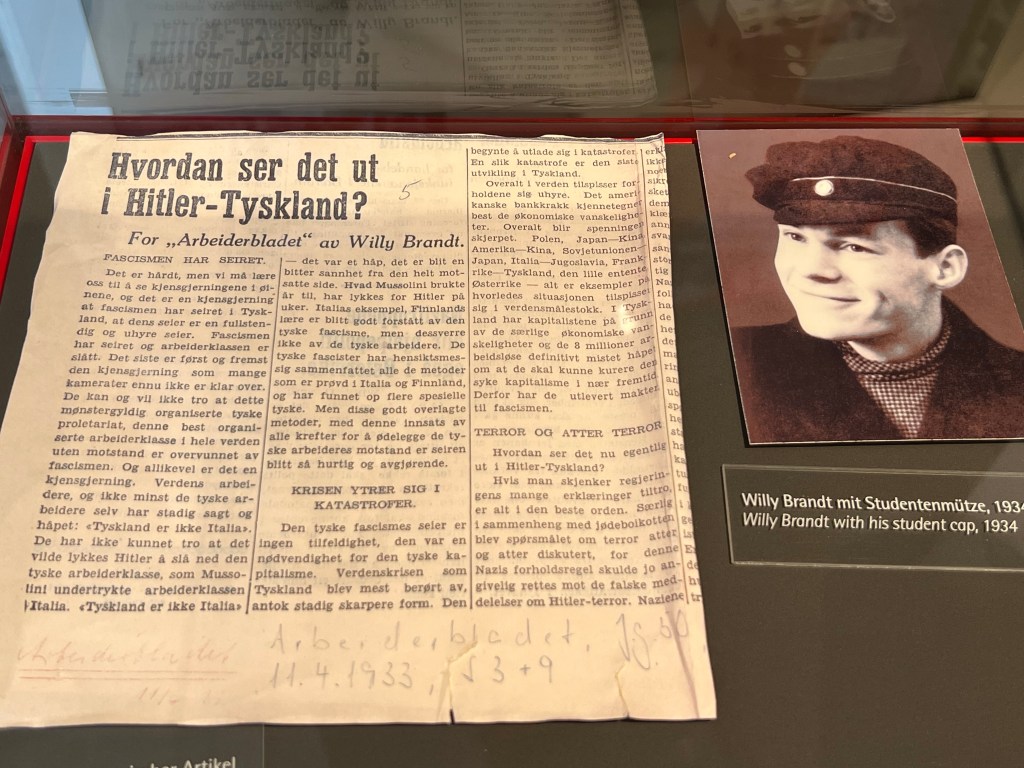
Brandt honed his political philosophy in Norway, becoming less revolutionary and more pragmatic. But he never gave up on the idea of a free and democratic Germany. In reaction to his journalism, the Nazi authorities stripped him of his citizenship in 1938. When Germany invaded Norway in 1940, Brandt fled to Sweden and was granted a Norwegian passport there.
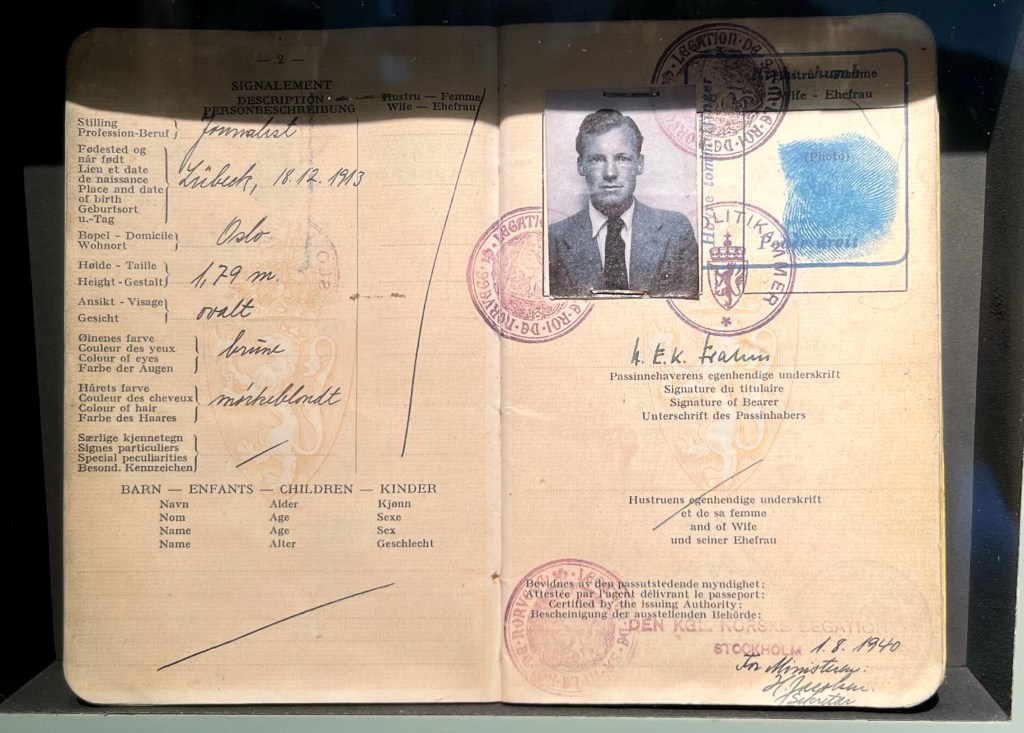
After the War, Brandt helped forge a new Germany. While he continued to be an outspoken anti-fascist, Brandt used his political power to achieve reconciliation between West Germany and the Eastern Bloc. For these efforts, Brandt was awarded the Nobel Peace Price in 1971.
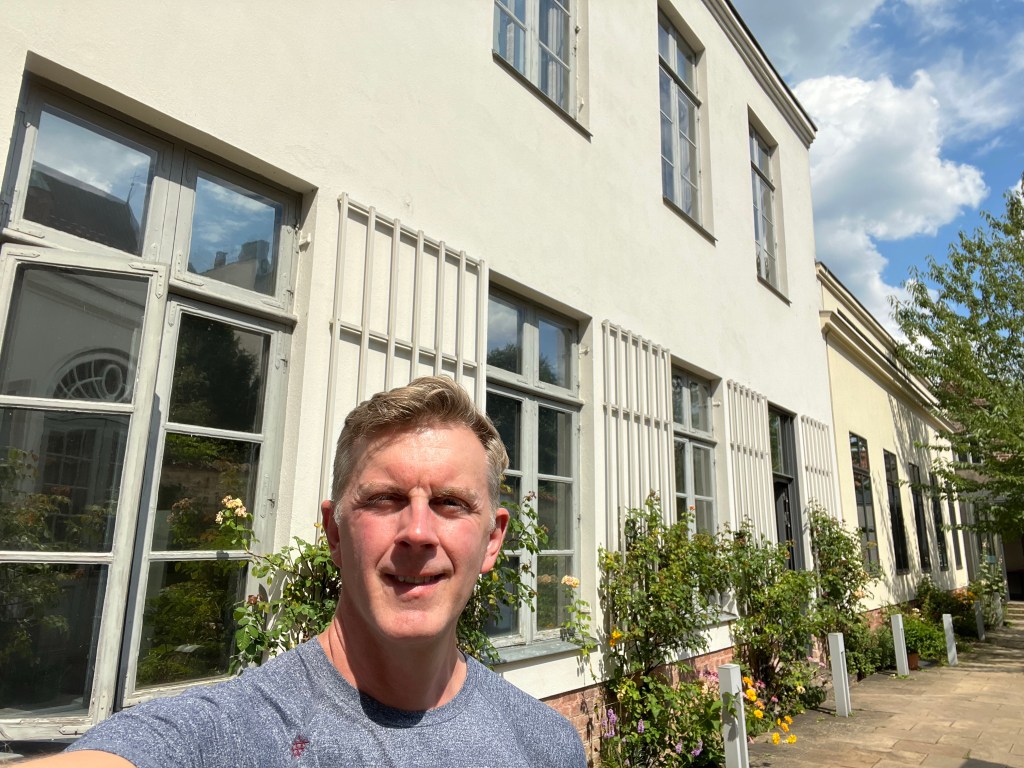
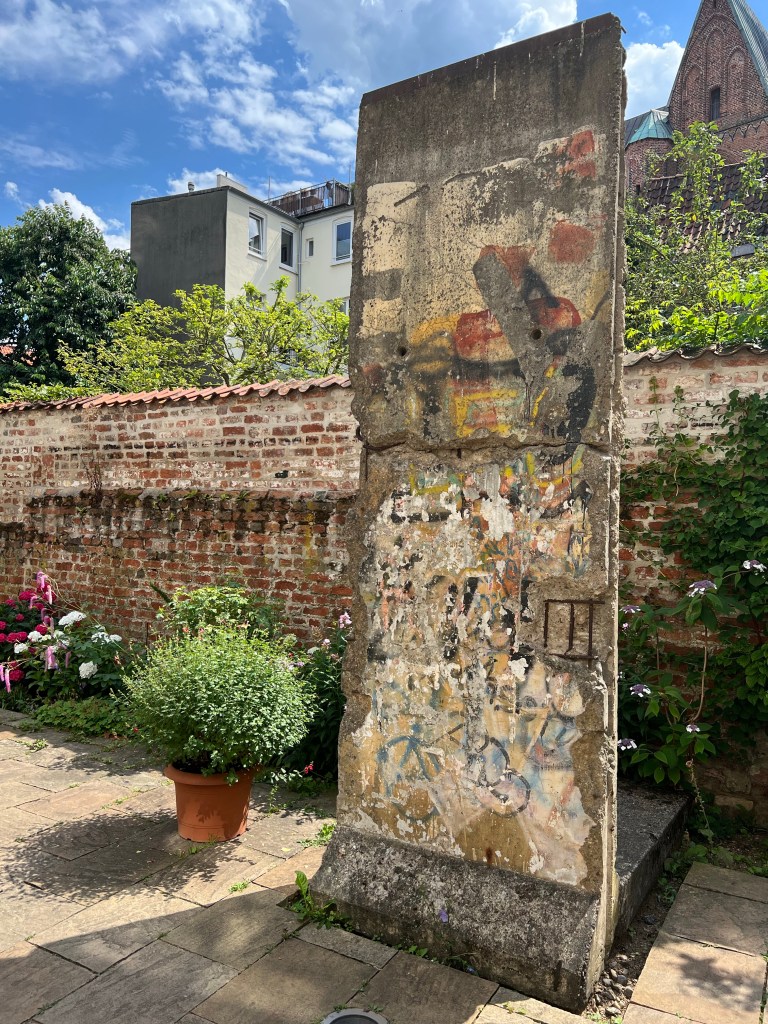
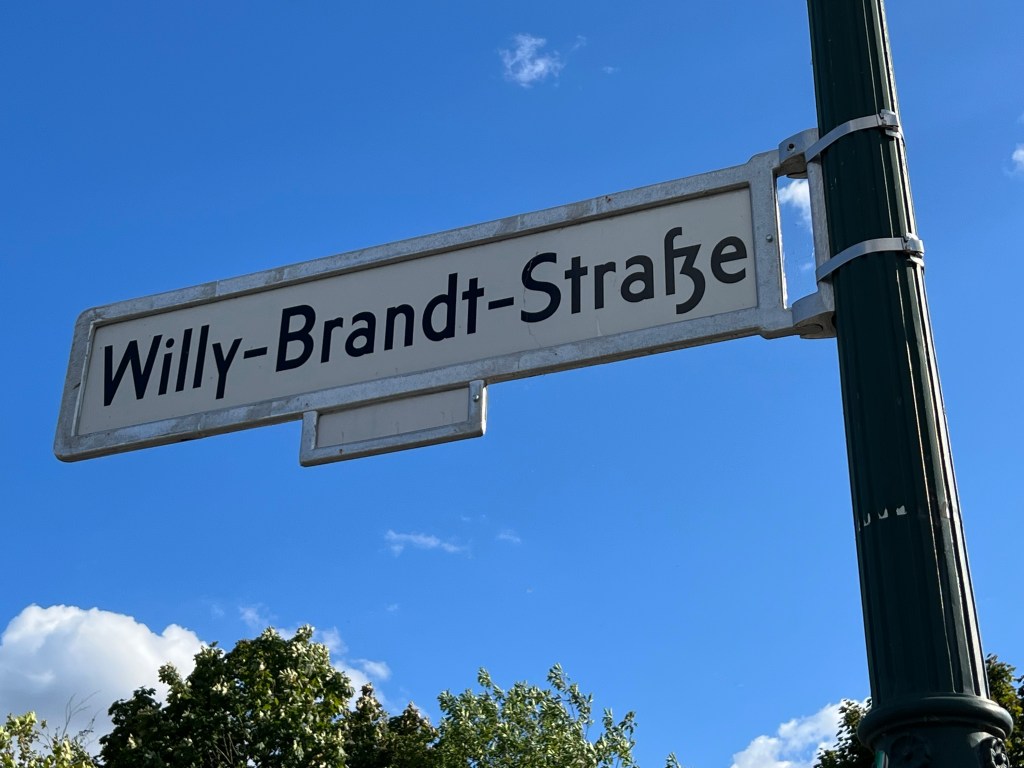

Yesterday as I flew out of Berlin’s Willy Brandt Airport, I asked myself, “Would Germany be the same today if Brandt had not been influenced by Norwegian political thought in the 1930s? Would Norway be the same today if Brandt had not published his ‘insider accounts’ of German fascism in Norway’s newspapers?” Both countries were enriched by this connection.
And speaking of connections, I must go now and make my next one. Because as fascinating as all of these travels have been, the place I most want to be right now is home.


 Deep Roots
Leave a comment