One-third of Norway’s population left the country between 1825 and 1925 — nearly a million people. As a citizen of a country that has more often been the recipient of migrants, I can scarcely imagine the impact those departures would have had, both for individual families and for the nation as a whole. In a previous post I considered the Norwegian diaspora in the United States and those settlers’ assimilation into the American mainstream. In this post, I grapple with what that exodus has meant for those left behind and how modern Norwegians view their “cousins” across the pond.


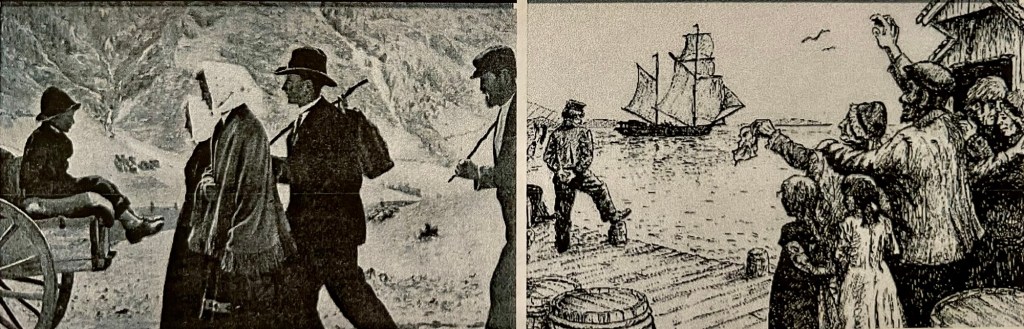
Traveling around Norway in the last couple of weeks, I am struck by how often I’ve come across exhibits and events marking the 200th anniversary of the first emigrant ship to America. Individual communities around the country have planned a variety of lectures, activities and displays to commemorate this bicentennial. These programs are organized by local committees that roll up to a national initiative — Crossings.
Here is their website: https://utvandrermuseet.no/2025. In the States, we have a few such events as well, including a conference to be held in June at St. Olaf College in Minnesota. But the sheer scale of these activities in Norway highlights a key takeaway from my explorations: the emigration period had a massive impact on Norway and its view of the U.S. It looms large in Norway’s collective imagination.
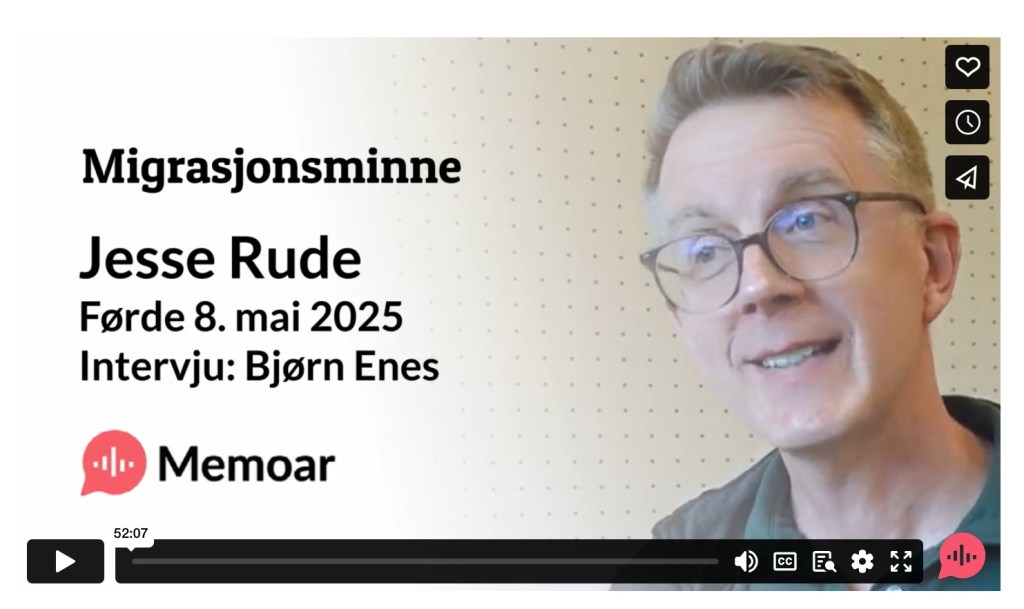
When I was in Førde on May 8th, I had the privilege of participating in one of the projects associated with Crossings — an oral history project organized by a volunteer organization called Memoar. One of Memoar’s founders, the freelance journalist Bjørn Enes, interviewed me about the Norwegian diaspora and my family’s emigration experiences. Here’s a link to the website and a summary of the interview: https://www.memoar.no/mig/jesse-rude (The interview is a bit long, but if you are interested in watching it, send me a direct message and I’ll provide the password.)
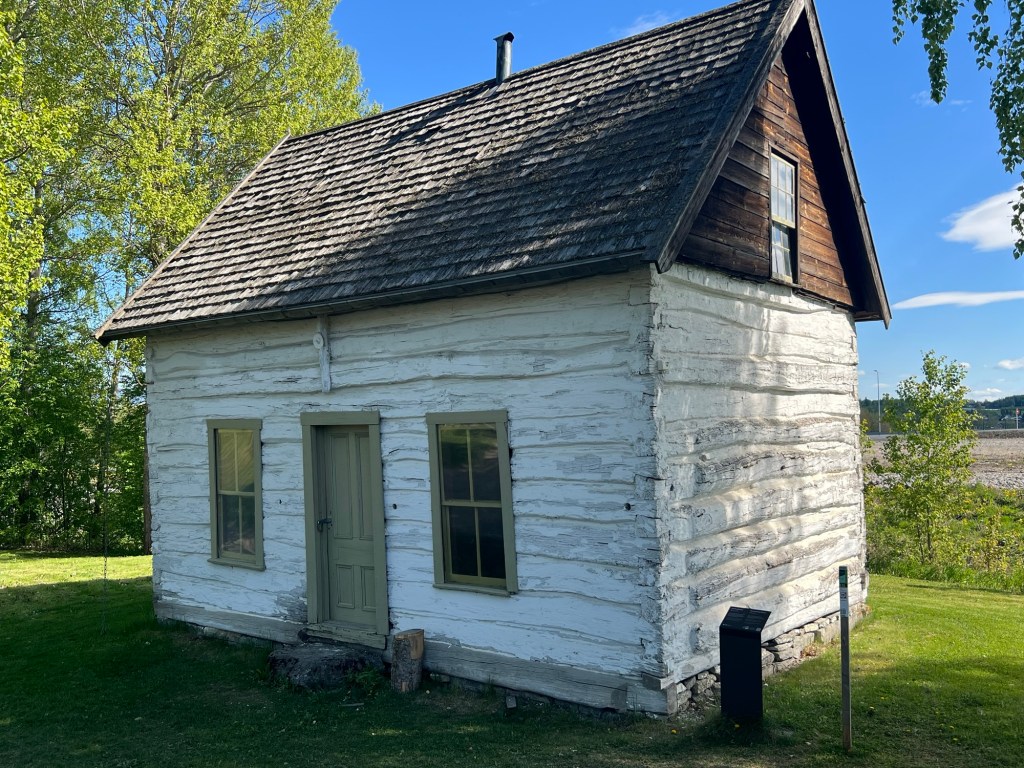
And on May 15th, driving out of the Hamar area, I stopped by the museum that’s helping coordinate these events — Norsk utvandrermuseum (The Norwegian Emigrant Museum), located in Ottestad. The indoor exhibits are closed until next month, but you can walk around the grounds and see a collection of historical buildings relocated from Norwegian-American farms and communities — a little town on the prairie!

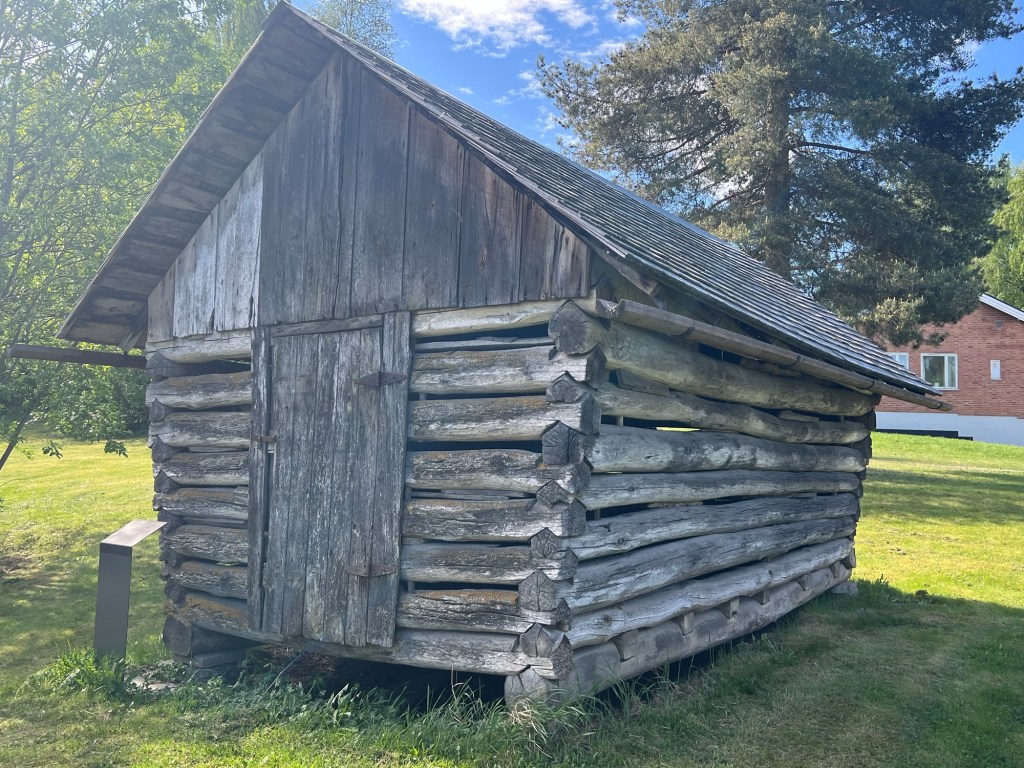

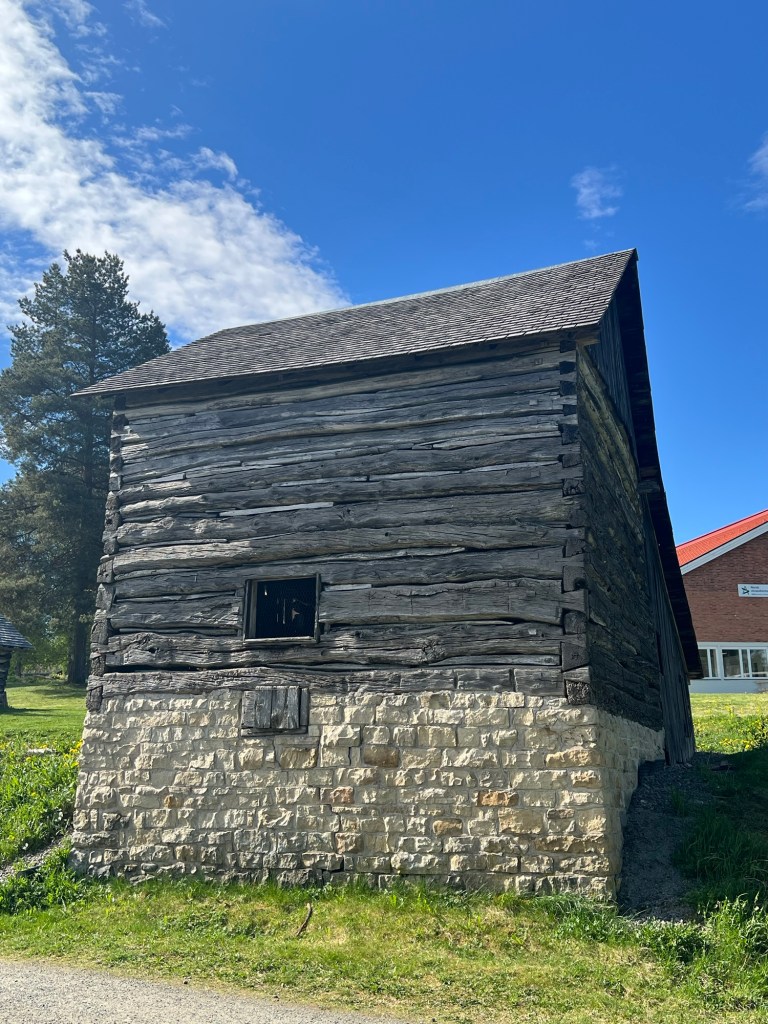
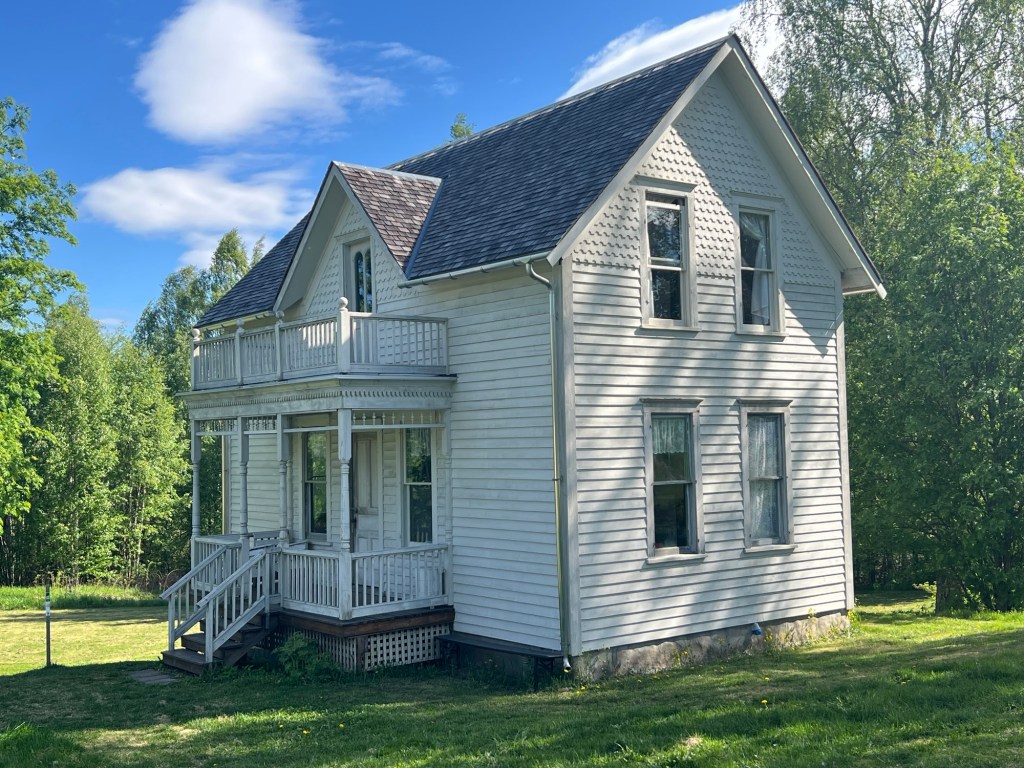

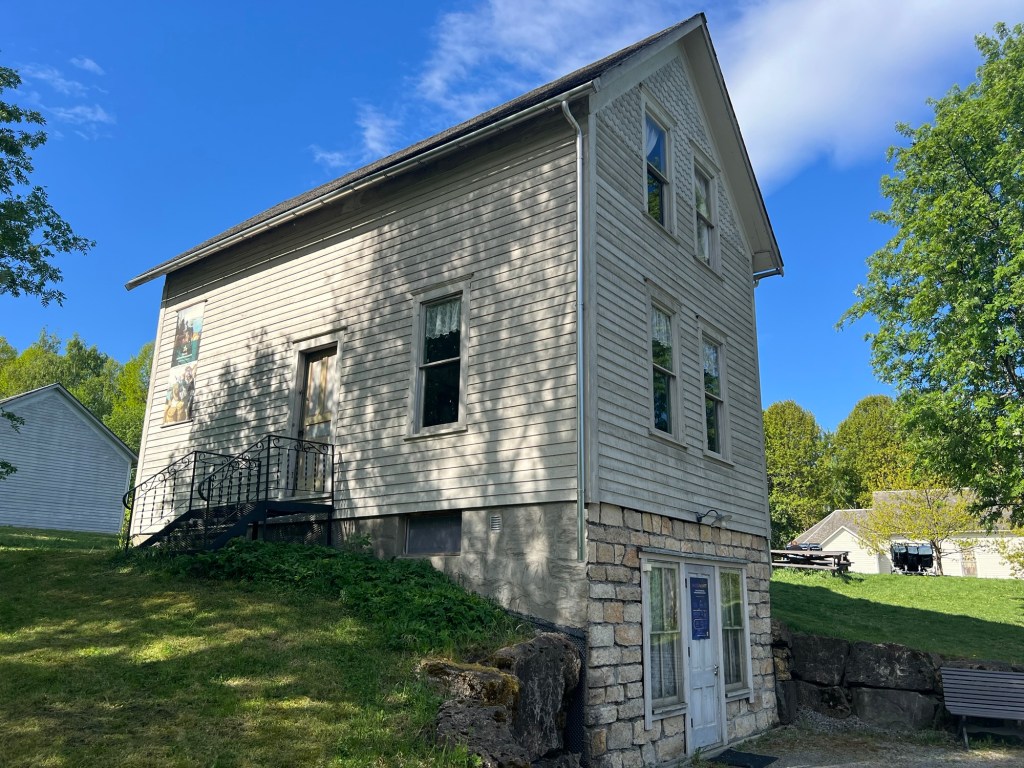
Later that day, I took in an exhibit at the National Library in Oslo called “Rett vest. Drømmer om et bedre liv i Amerika” (Due west: Dreams of a better life in America). The exhibit stitches together the letters, stories, and even “tall tales” sent from emigrants back to their relatives and friends in Norway… dreams of what might be possible in a new land.
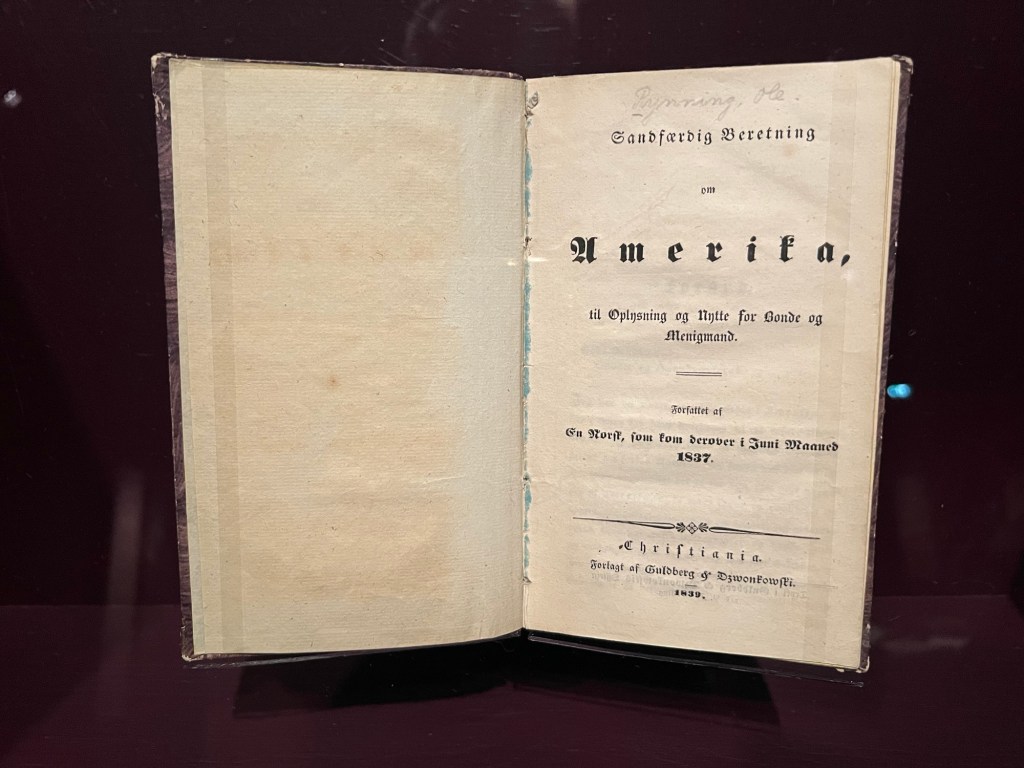
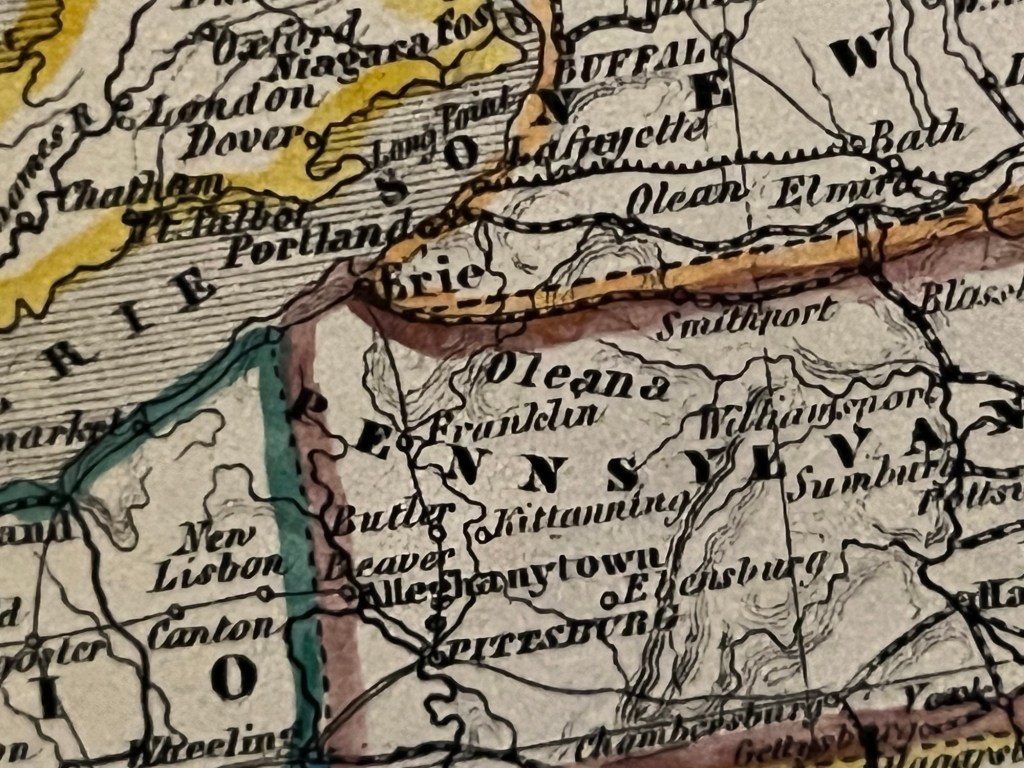
One such dream, which I hadn’t been aware of, was the violinist Ole Bull’s aspiration of founding a Norwegian colony in Pennsylvania. In 1852, he purchased over 11,000 acres (45 square km) and attempted to establish four Norwegian communities in his “New Norway”. It was an epic failure. According to the exhibit, the failure of Bull’s grandiose vision may have inspired some satirical aspects of Henrik Ibsen’s play Peer Gynt.
The materials from the exhibit point to a central theme I’ve picked up on here in Norway when discussing the diaspora — a fascination with America, tempered by a healthy skepticism of its endless bounty and so-called freedoms.
Let’s address the “endless bounty” first. One of the branches of my Norwegian family left in 1904, just a year before Norway’s independence from Sweden. According to my great aunt Carol, this branch lost touch with relatives in Norway after my great-great grandmother Sophia’s brother Hans Hanson died in Milwaukee in 1927. The siblings back in Norway believed that they should have inherited more from his estate since “Americans are so wealthy”. The reality, however, was that Hans and the rest of the family in the States weren’t wealthy; they were scraping by as best they could.
I am happy to report that, 98 years later, these relations are well and truly mended.
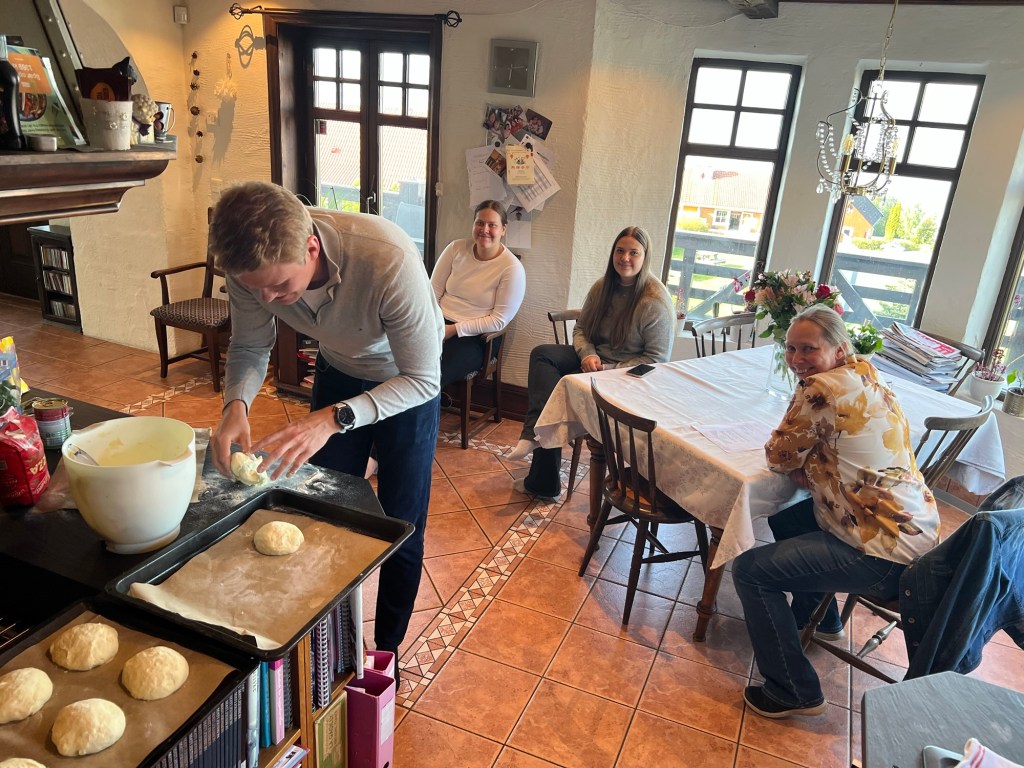
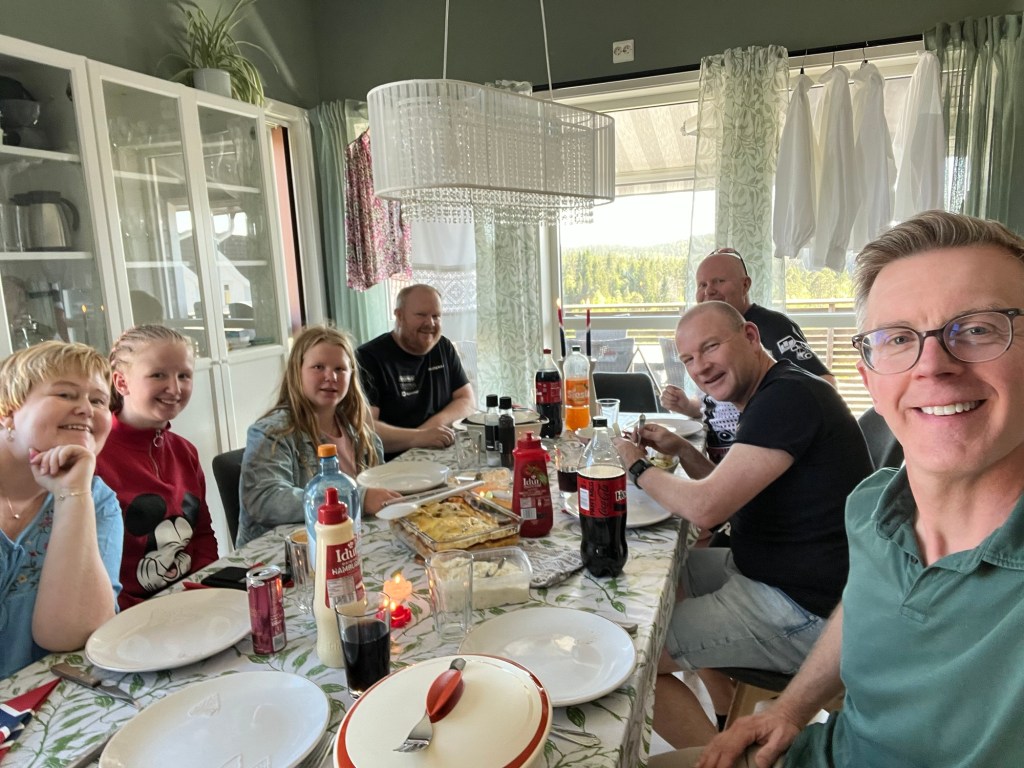
Last week, I stayed with Hilde Iversbakken and her family — the descendants of my great-great grandma Sophia’s sister Johanne. This family took such great care of me. In addition to wonderful meals and outings together, I had the privilege of hearing about their impressions of the States and the American people. Norwegian media is fairly saturated with American TV and movies, but a driving trip Hilde and her family took in 2023 changed the way they saw America. They drove from New York to Wisconsin and back again, traversing southern Canada, Detroit, Chicago, Washington D.C., Philadelphia and all points in between. They took the time to get to know the “real America”, and they’re glad they did.
Engaging in these conversations, I felt that my Norwegian relatives could see my country more clearly, more objectively than I could myself. While they were extremely complimentary of all those they met — particularly their relatives in Wisconsin — their perspective as Norwegians helped them see some of the contradictions inherent in American society, contradictions that are hard for us Americans to look at head on. I feel greatly enriched by these exchanges.
A topic that came up several times in one form or another was the concept of freedom and the role of the state. In Norway, it is the government that offers individuals freedom: freedom from worry about healthcare, education and other basic needs, freedom to pursue a life not constantly concerned with making ends meet. Whereas in the U.S., the government is often viewed as the enemy of freedom. Freedom to many Americans means freedom from the government.
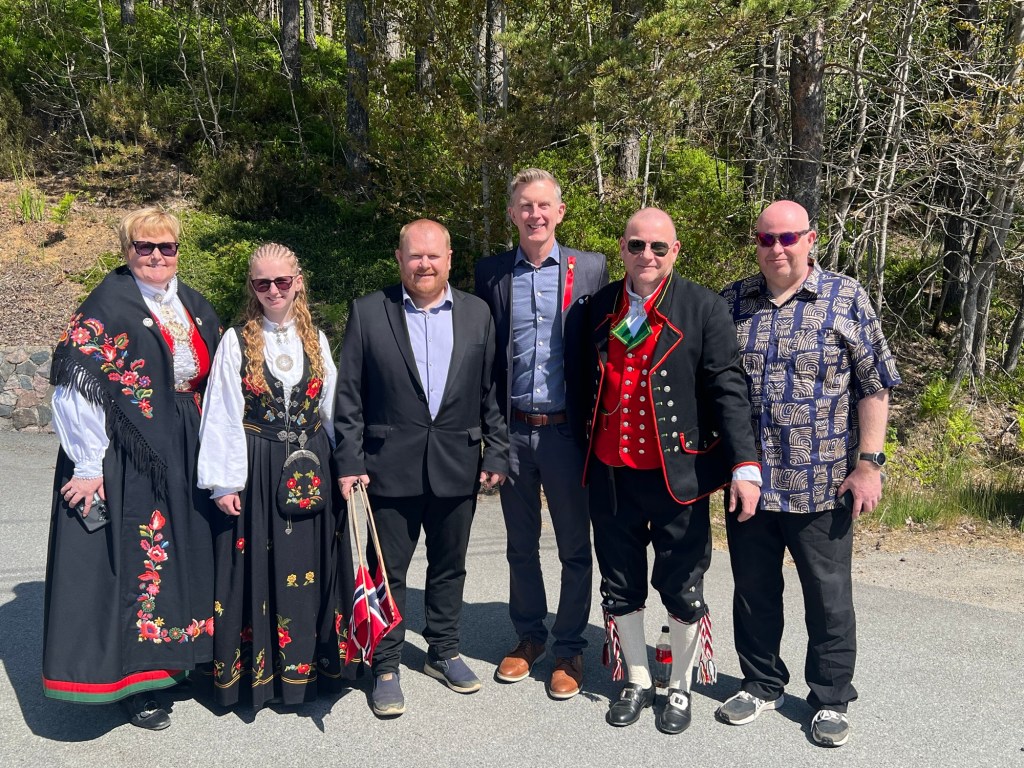
Similarly, my family in southern Norway who generously hosted me during the 17th of May celebrations, expressed bafflement over America’s relatively loose laws on the possession of alcohol, fireworks, and most of all, guns. Likewise to the unfettered use of large trucks, recreational vehicles, and fossil fuels. Such “freedoms”, where do they lead? To the loss of the life… the loss of freedom. Why don’t Americans see this?

One of my relatives paraphrased a Norwegian commentator: “Great freedom requires great responsibility. Without responsibility, freedom is egoism.” I thought this was insightful and underscored the difference in each society’s approach to the concept. Norwegians generally trust their government to provide reasonable boundaries within which they can enjoy their freedoms. For many Americans, however, that trust is greatly eroded, and for those who lack trust in the government any such responsibilities get labeled as roadblocks to their freedom.
The gulf between Norwegian Americans’ and Norwegians’ political views is larger than is typically admitted. Many of us in Minnesota, for instance, like to think we’re running our state in a more Scandinavian style. But while our state taxes may be a little higher and our welfare a little more generous than our neighbors’, I just don’t see the kind of collectivist ethos that exists in Norway.
Somewhere along the way — perhaps especially during the Second World War — Norwegians learned that if they don’t stick together and trust one another, they won’t survive. But I wonder if Norwegian Americans, like Americans more generally, took away the opposite lesson — perhaps from decades of living in the low-trust environment of the western frontier. The American ethos is more along the lines of: if we don’t look out for ourselves, no one will. Despite Norway and America’s many cultural and historical links, this difference is as wide as the Atlantic itself.
***
Am I overgeneralizing? Have a different perspective? I would love to hear it. Please add your thoughts to the comment section!


 Deep Roots
Leave a comment