Reflections on family history, identity and geography
Bridges across the pond
To travel abroad as an American in 2025, particularly to Western Europe, is to open yourself up to questions about what it means to be an American. For 80 years, Europe knew it could rely on the U.S. as a bulwark against the forces of despotism and tyranny. That faith has been shattered.
Norway was one of 12 founding members of the North Atlantic Treaty Organization (NATO) when the alliance formed in 1949. But, given the actions and rhetoric of the Trump administration, Norway and other NATO members can’t assume that the U.S. would come to their aid if attacked. Trump has even gone so far as to threaten the sovereignty of the people of Greenland, an autonomous territory of Denmark.
Moreover, the Trump administration is imposing tariffs on many goods coming in from overseas, even goods from longstanding allies like Norway. The president seems determined to destroy the international goodwill that our nation has painstakingly built over decades.
As an individual American confronted with these realities, I’ve felt pretty powerless. I can’t right the wrongs my government is committing abroad. Nor can I explain its actions. Nor can I articulate why millions of my fellow Americans seem to support these actions.
I do, however, believe in the power of citizen diplomacy, and I’m hopeful that the various personal, professional, cultural and economic ties between the U.S. and Norway will serve as the foundation for a renewed friendship once the Trump administration is out of power.
So, in the conversations I’ve had during my travels these past two weeks, I’ve done my best to listen and understand, and I’ve tried to remember I may be one of the few Americans folks here have the chance speak to personally during these tumultuous years. These personal connections were the highlight of my trip.
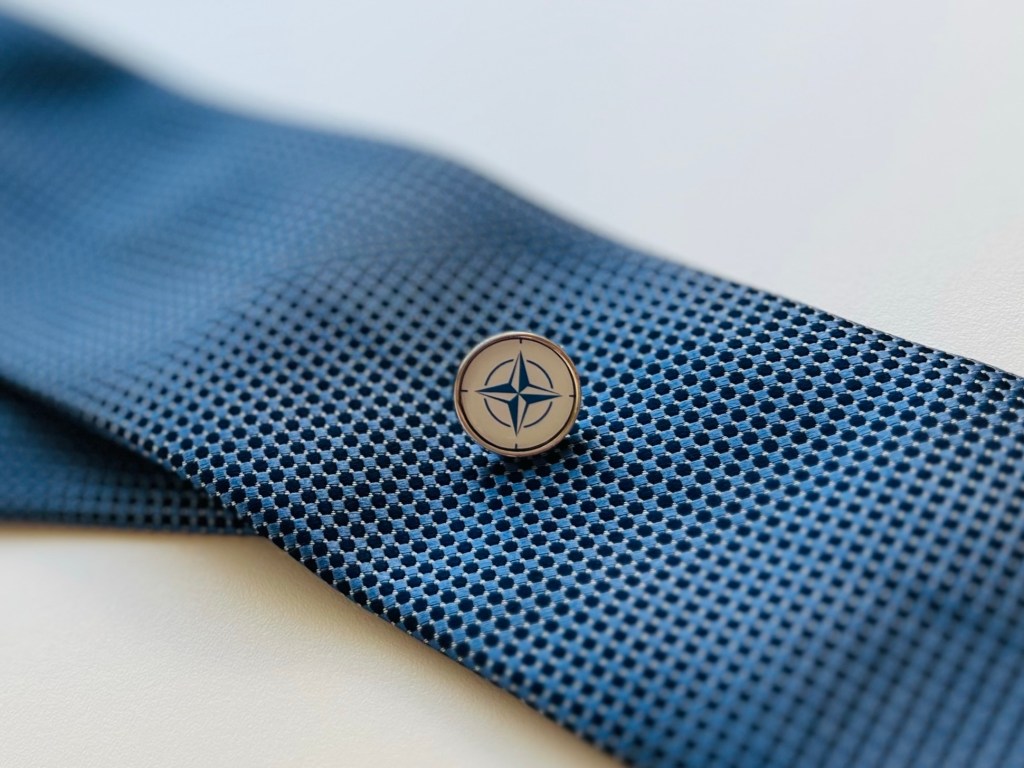
I gave NATO tie tacks to a couple of the folks I meton this trip
Here are a few glimpses of those conversations.
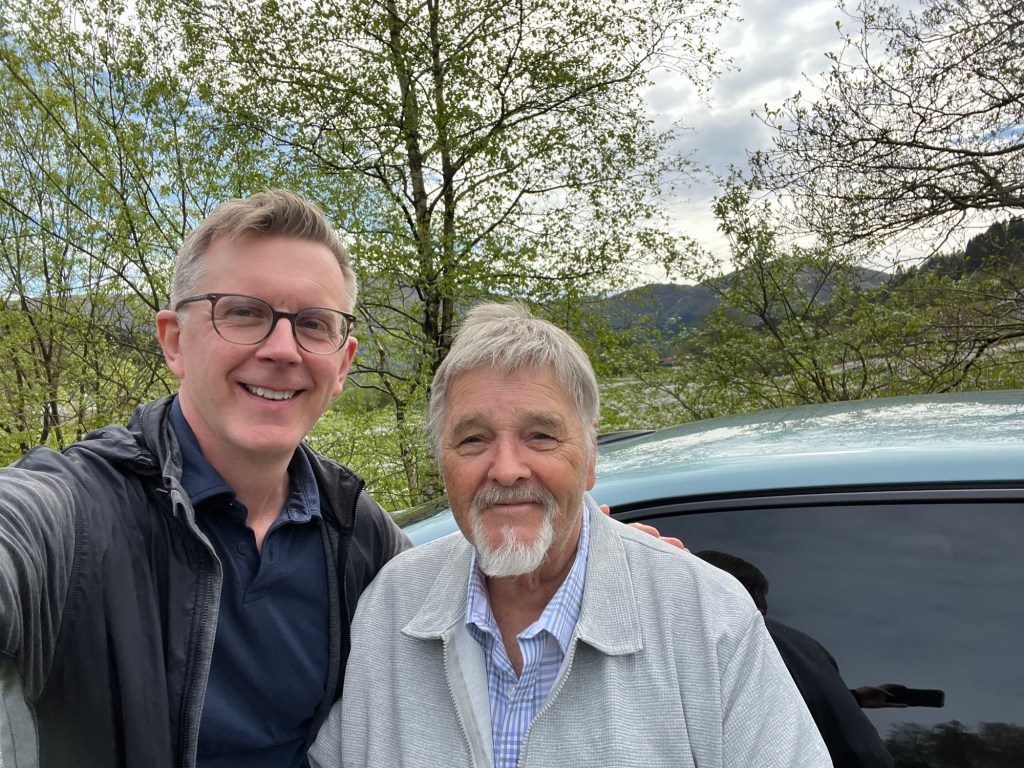
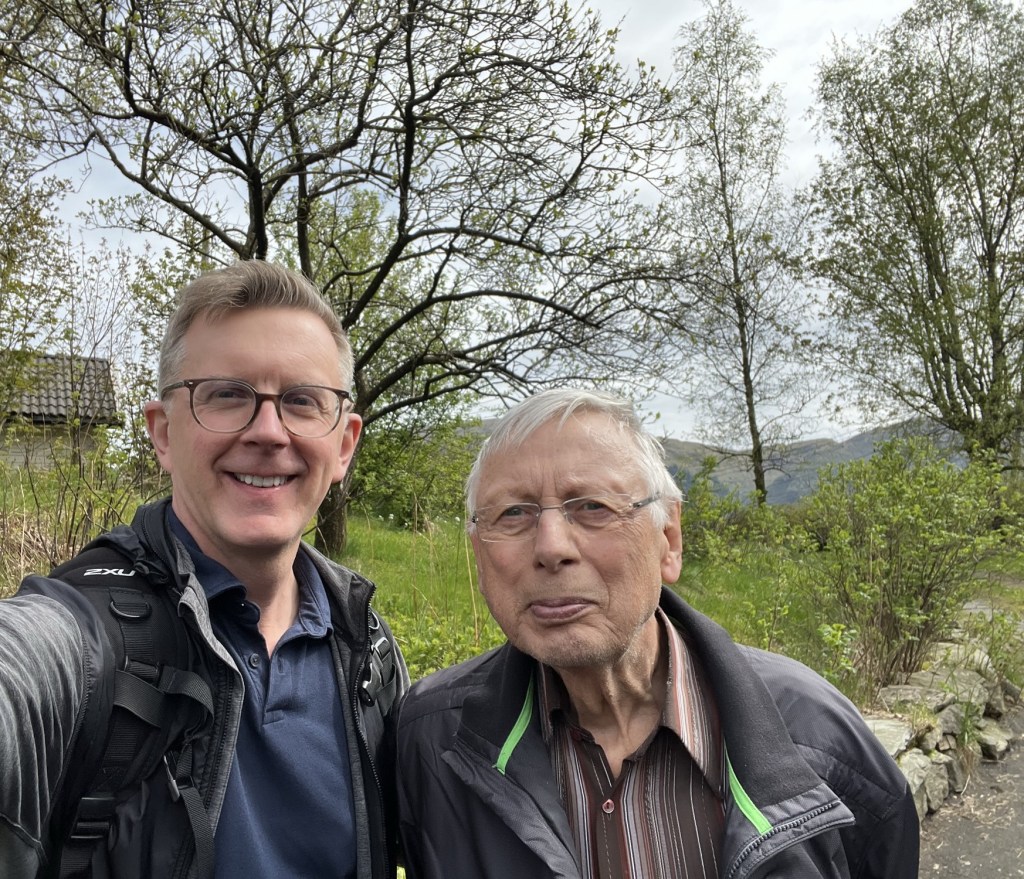
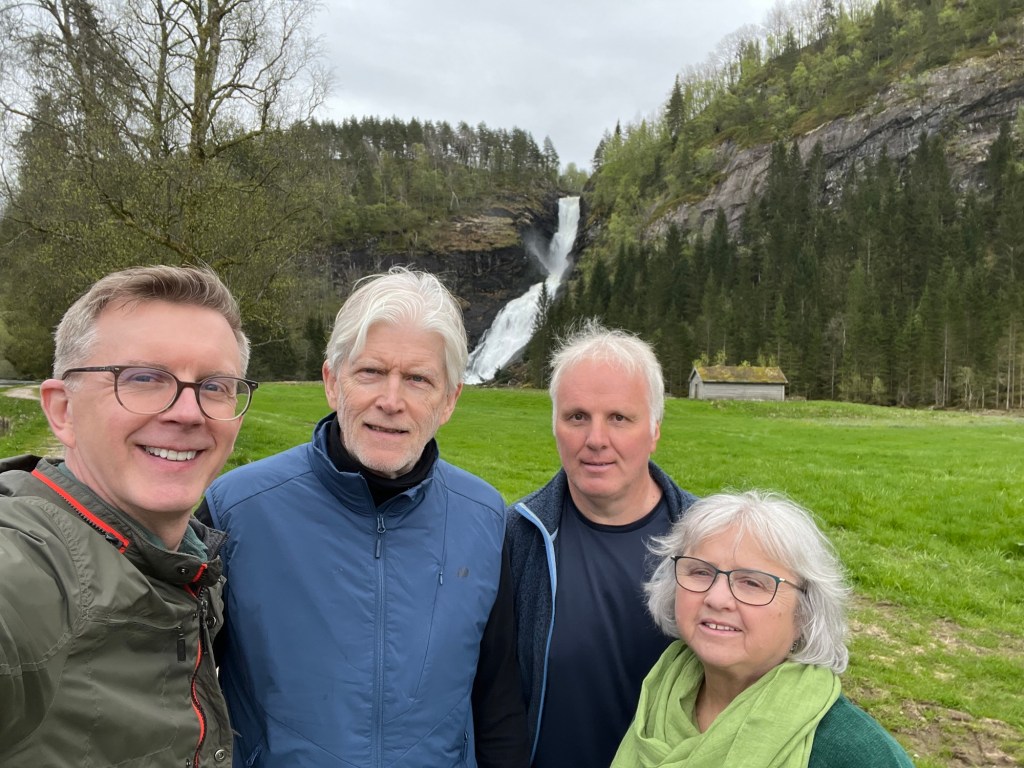
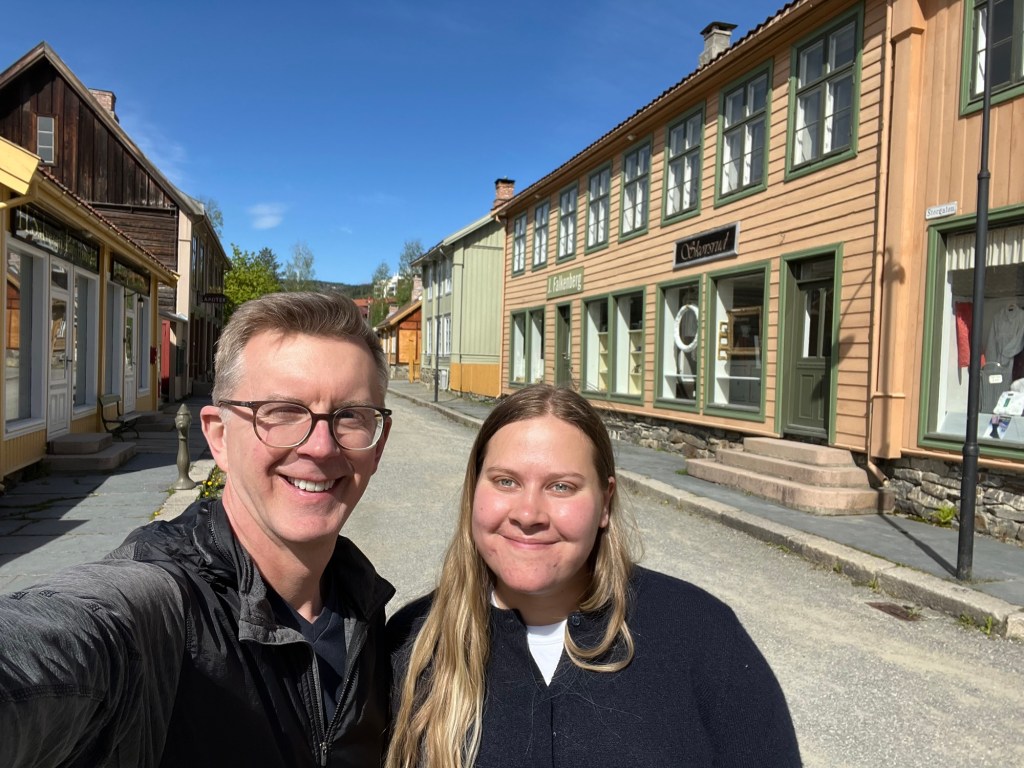
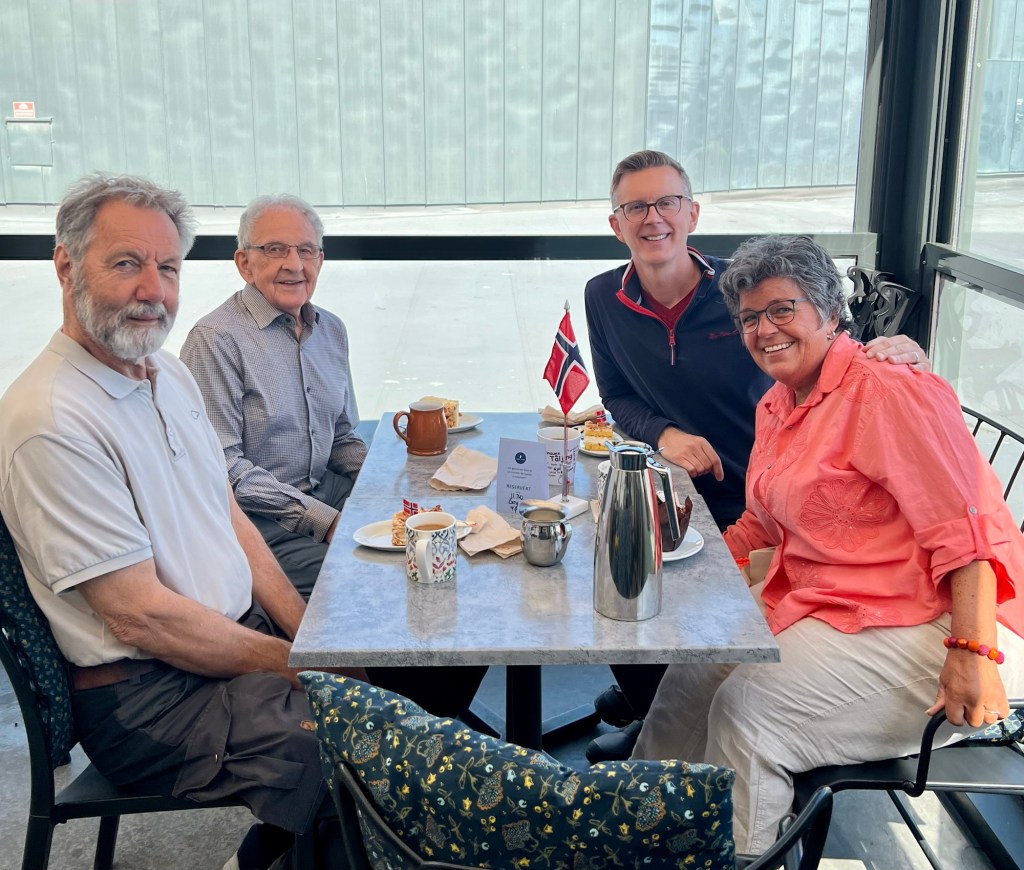
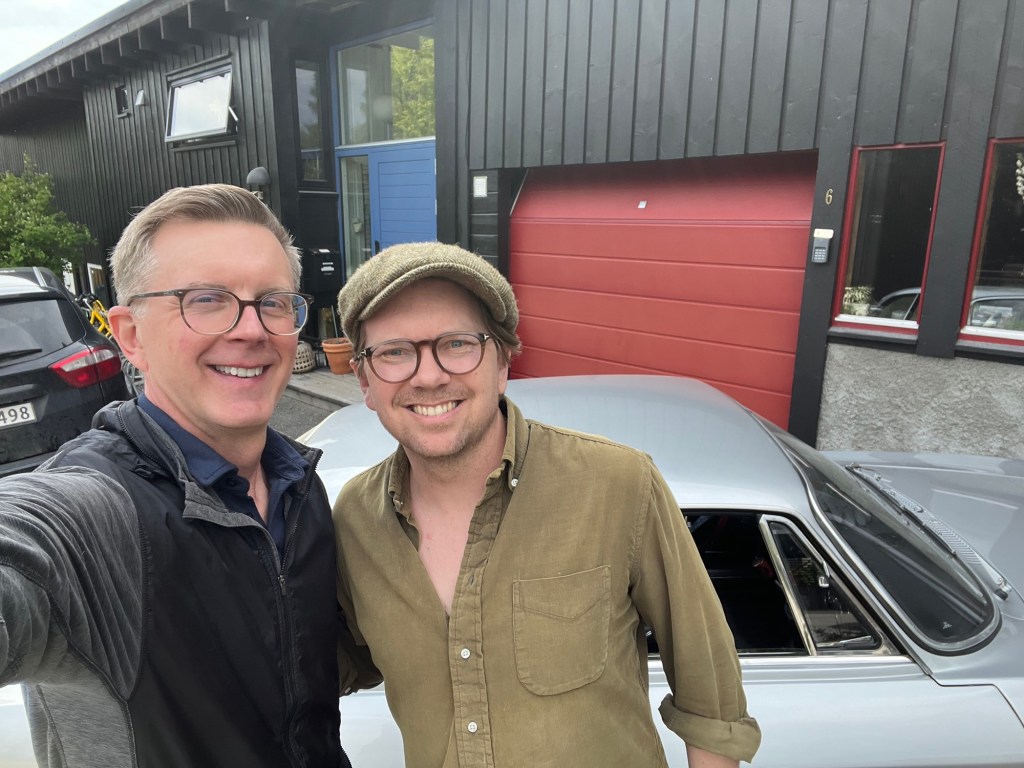
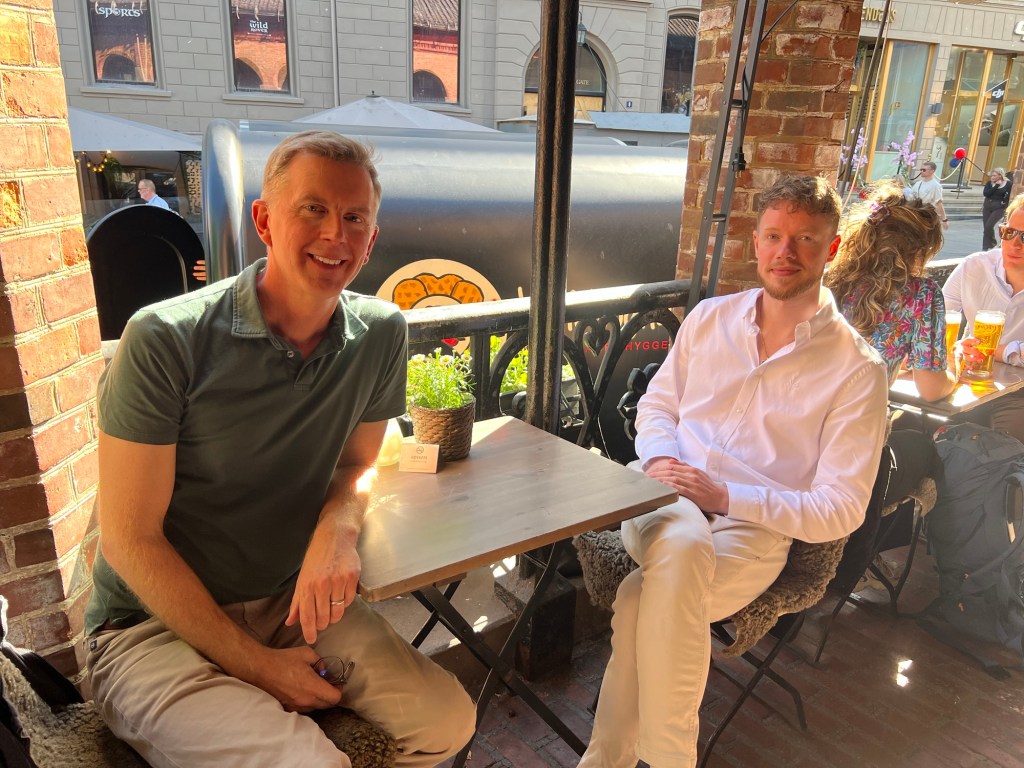
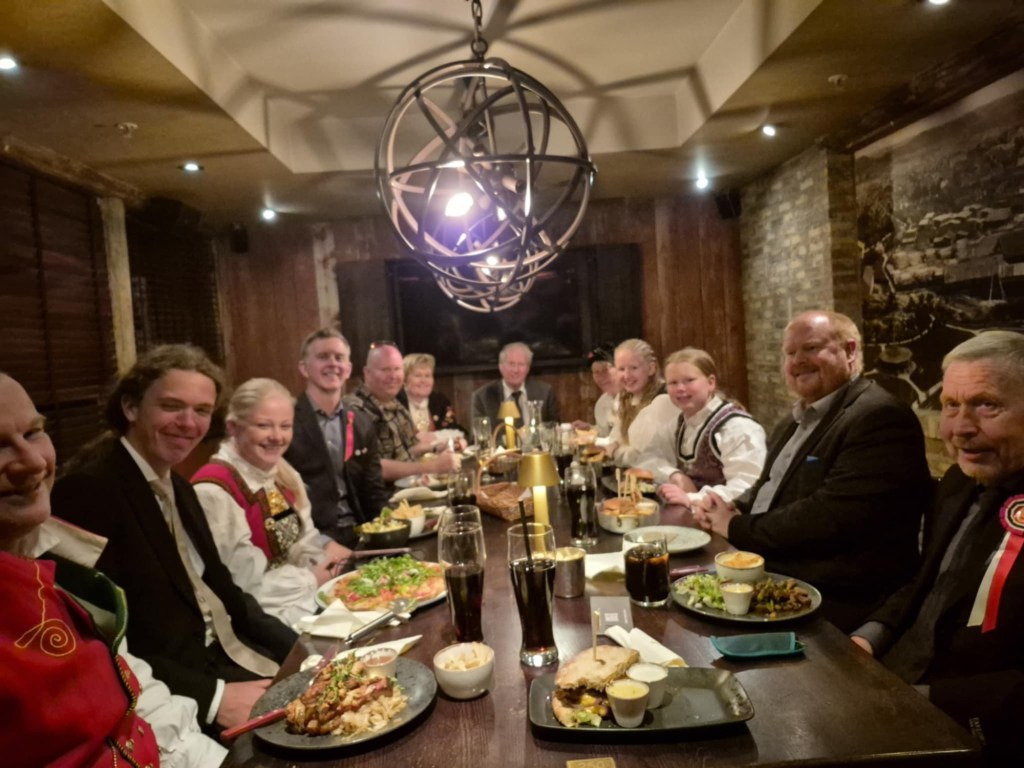
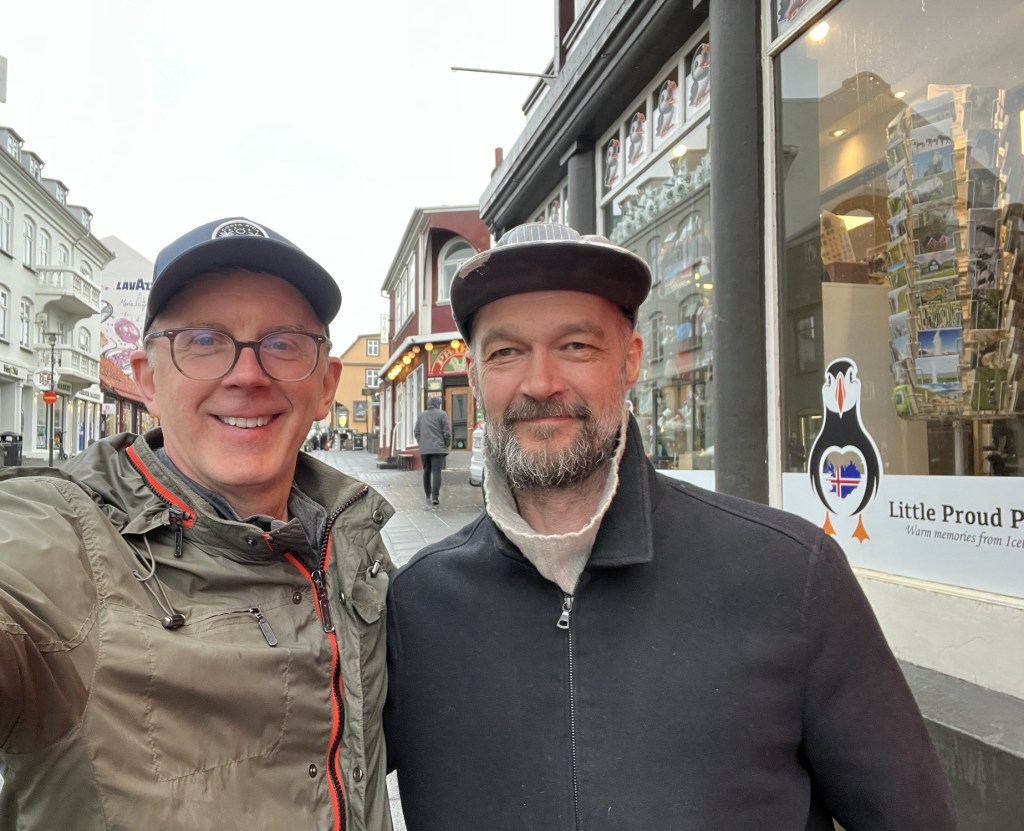
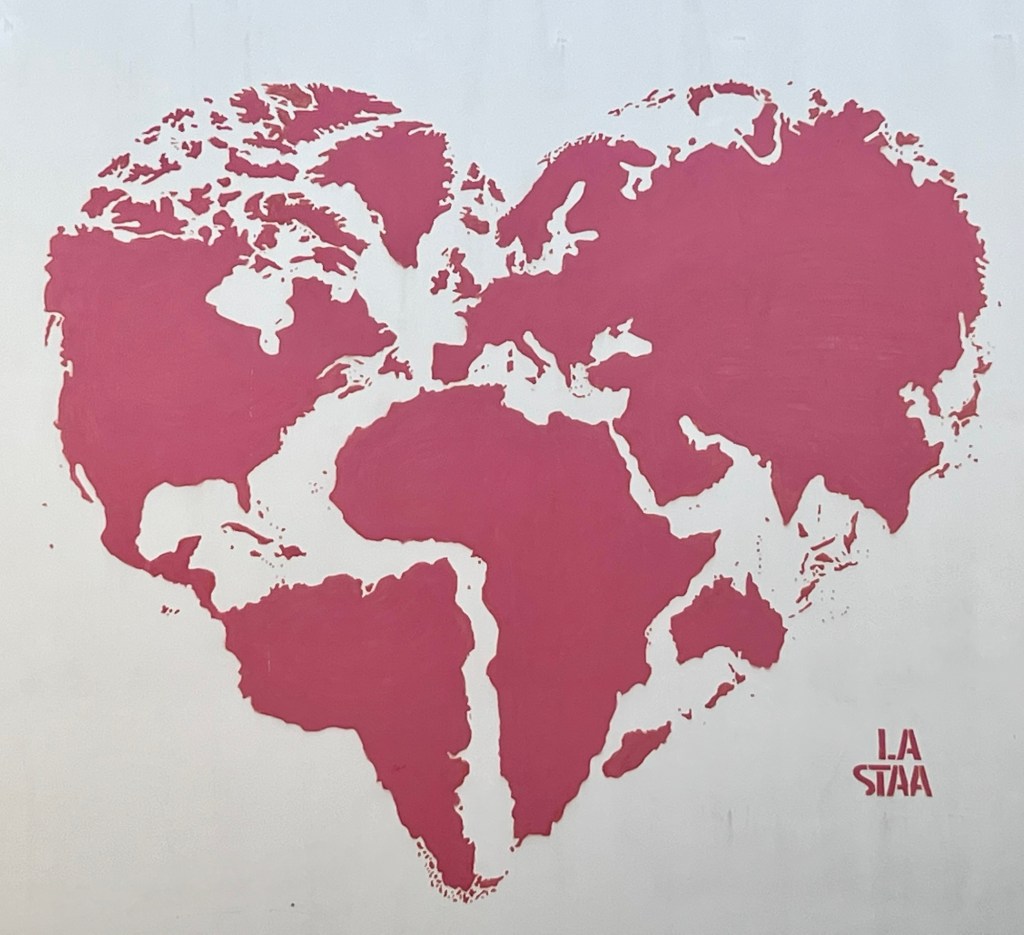
Ole Johan Hauge, local historian in Arna (near Bergen)Arne Storlid, distant cousin on my mother’s mother’s mother’s side. Photo taken on the Hauge farm in Arna.Ove Farsund, Erik Ole Haugen, and Judith Hegrenes of Førde (Sunnfjord); photo taken at HuldafossenMy relative Hilde Iversbakken and her children (living in Kapp) engaged me in several conversations about the current state of affairs in the U.S. In this photo, Hilde is serving up kjøttkaker (meatballs)while daughter Josefine takes a break from her studies.(These relatives are on my father’s father’s mother’s side.)One of Hilde’s daughters, Mathilde Hansson, was an international studies major and now is focused on business. She’s a voracious consumer of news media and knows far more about U.S. politics than most Americans. Photo taken at Maihaugen in Lillehammer.Cake, coffee and a heartfelt conversation in Gjøvik with the Lindalen family: Ole and Willy on the left, Gry on the right. (The Lindalens are relatives on my mother’s father’s mother’s side)Stimulating conversations about business, international travel and politics with Kristian Harby, while we rode around Hamar in his 1967 Alfa Romeo. (Kristian is a relative on my father’s father’s father’s side.) In Oslo, I got to meet Torstein Torblå, whom I had connected with via AncestryDNA. Our conversation ranged from WWII to the future of data consulting. (Torstein is a relative on my mother’s mother’s mother’s side.) I was treated to a syttende mai dinner by the Kittelsen-Larsen-Greibesland families in Kristiansand (from left: Morten, Mats, Sina, Jesse, Kjell Inge, Linda, Reidar, Lilian, Henriette, Frida, Roger, and Alf). They are relatives on my mother’s father’s mother’s side. My final meet-up on this journey: I caught up with an old friend from my NYC days, Snorri Sturluson, this evening in Reykjavik. Street art in Stavanger


 Deep Roots
Leave a comment