(This post is a continuation from yesterday’s post about the Greibesland family of Øvrebø in Southern Norway.)
Back in June, I wrote about having a sense of place, a sense of origin. And even though my family left Wisconsin when I was five years old (and even though I have no plans to live there again), my parents’ hometowns have always evoked a sense of home for me. That sense has been a fixed star in a life marked by periodic wanderings. In a way, that strong sense of place has enabled all of this uprooting because no matter where I go I find that certain deep roots stay firmly planted.
The area around Vennesla and Øvrebø – like Ulvik – stirs in me a sense of having been here before. Totally new and strange to me and yet eerily familiar. “To belong” in Norwegian is «å høre hjem», which literally means “to hear home.” I can’t say I hear home here but there are definitely echoes. Maybe it’s from seeing these hills in family photos over the years, or maybe it has something to do with the fact that our family has been farming these hills since the beginning of recorded history. That sounds like an exaggeration, but we can trace certain branches of our family tree here back to the 1400s.

I don’t have the time or space here to take us that far back. But how about the 1700s? Buckle up.
My great-great grandmother Marie’s father was Alf Andersen Greibesland (1820-ca. 1902). As I explained in yesterday’s post, Marie and Alf immigrated in 1892. Alf was 72 then and his wife Gunvor Andersdatter Spikkeland had died two years earlier. Alf had grown up on Bruk 3 of the Greibesland farm (the “Vollan” farmstead), which had been the family farm of Alf’s father’s first wife, Targjerd Torjesdatter Greibesland (1798-1813). Alf’s father, Anders Olsen Greibesland (1770-1852) was the youngest of eight children who grew up on Bruk 8 of Greibesland (called “Haugen”). But Anders spent most of his adult life on Vollan. He raised seven children there with Targjerd, and after her death he raised four more with Ingeborg Alvsdatter Hægeland (1792-1872). Alf was the first child of this second marriage. Two years before he died in 1852, Anders sold Vollan to Alf’s younger brother Nils, and in 1853 Alf purchased Greibesland’s Bruk 10 (“Bakken”) from a man named Jens Nilsson.[1]

On the Bakken homestead Alf and Gunvor raised their seven children: Ingeborg (1853), Andreas (1856), Anders (1858), Christian (1860), Berndt “Tobias” (1862), Berte (1865), and my ancestor Marie (1867). As Alf left for the U.S., he transferred ownership of the farm to his oldest son Andreas who was returning from working in tobacco in Wisconsin. And it has remained in the family to this day. I had the privilege of visiting the farm on Wednesday.
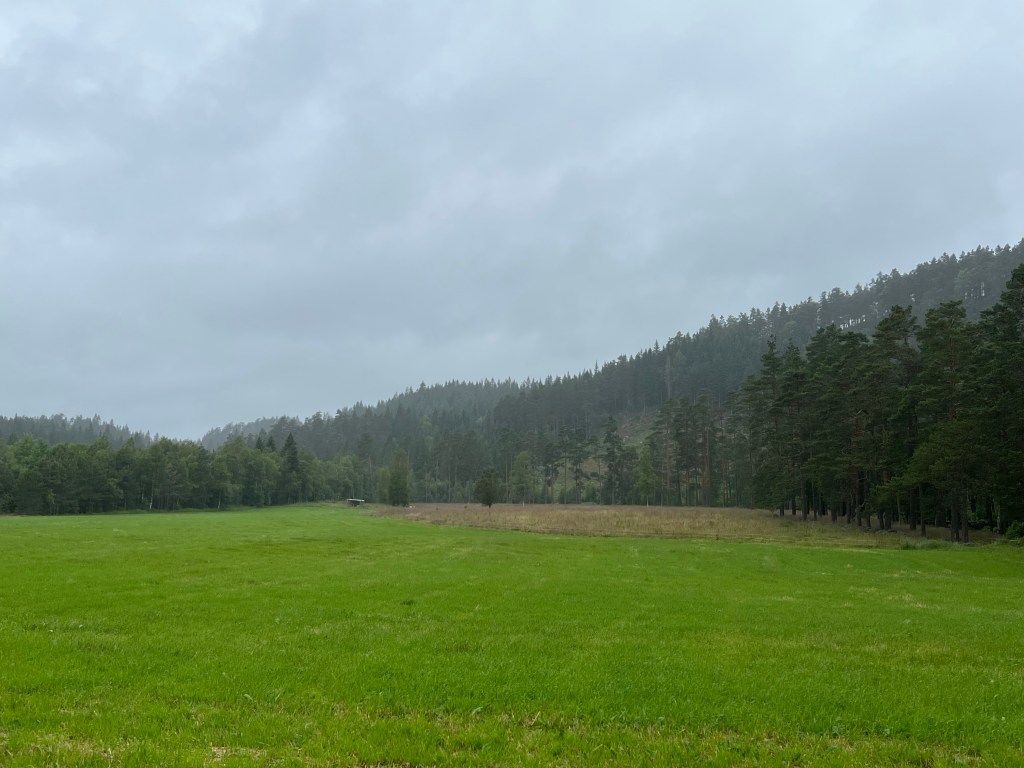
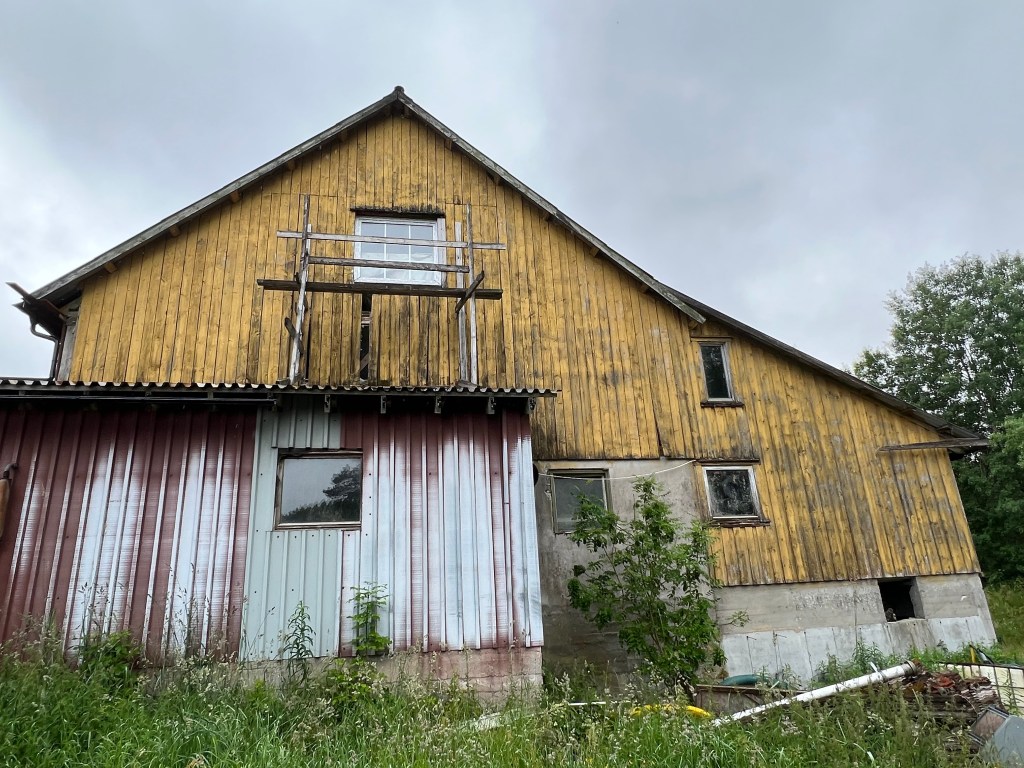
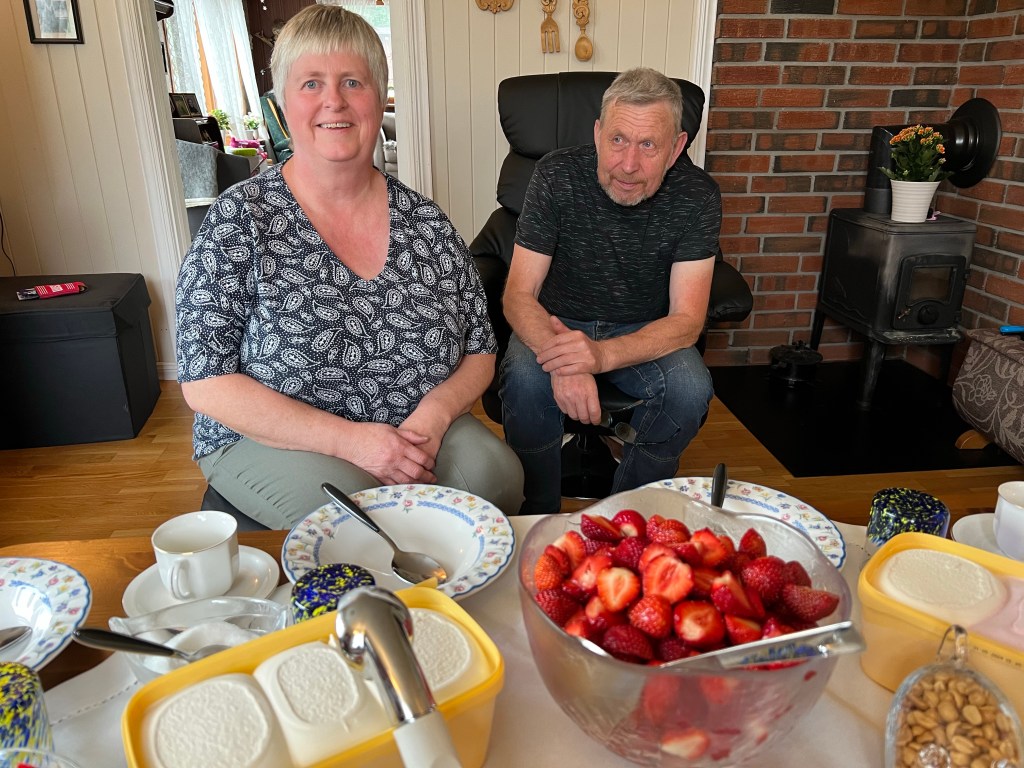
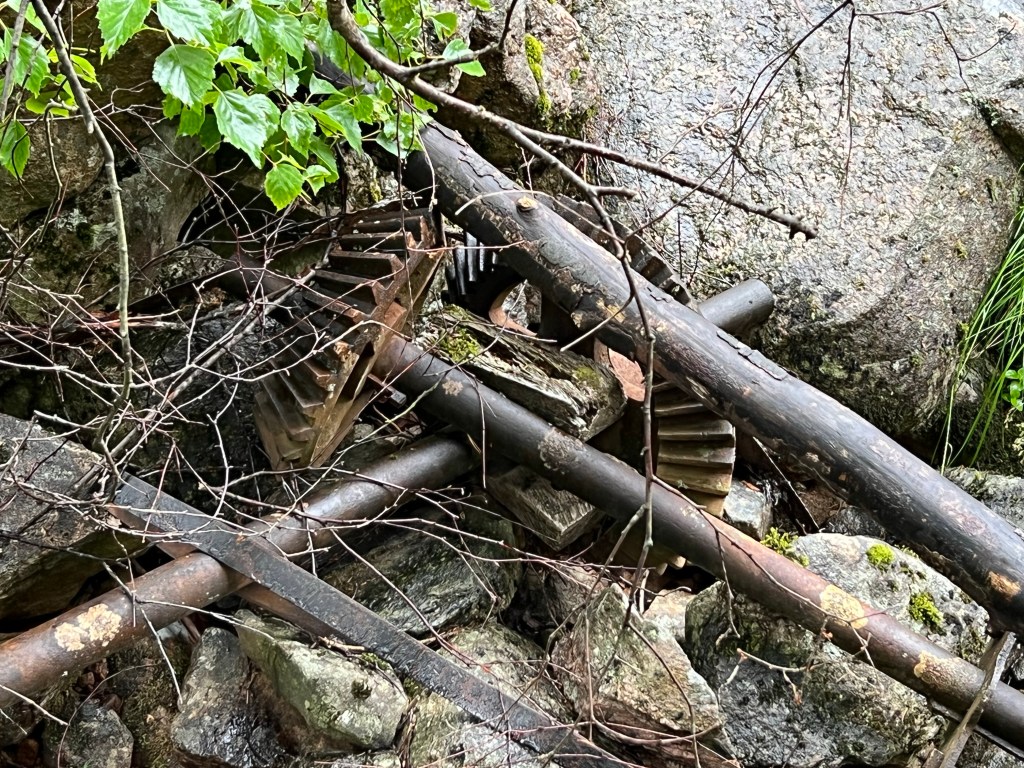
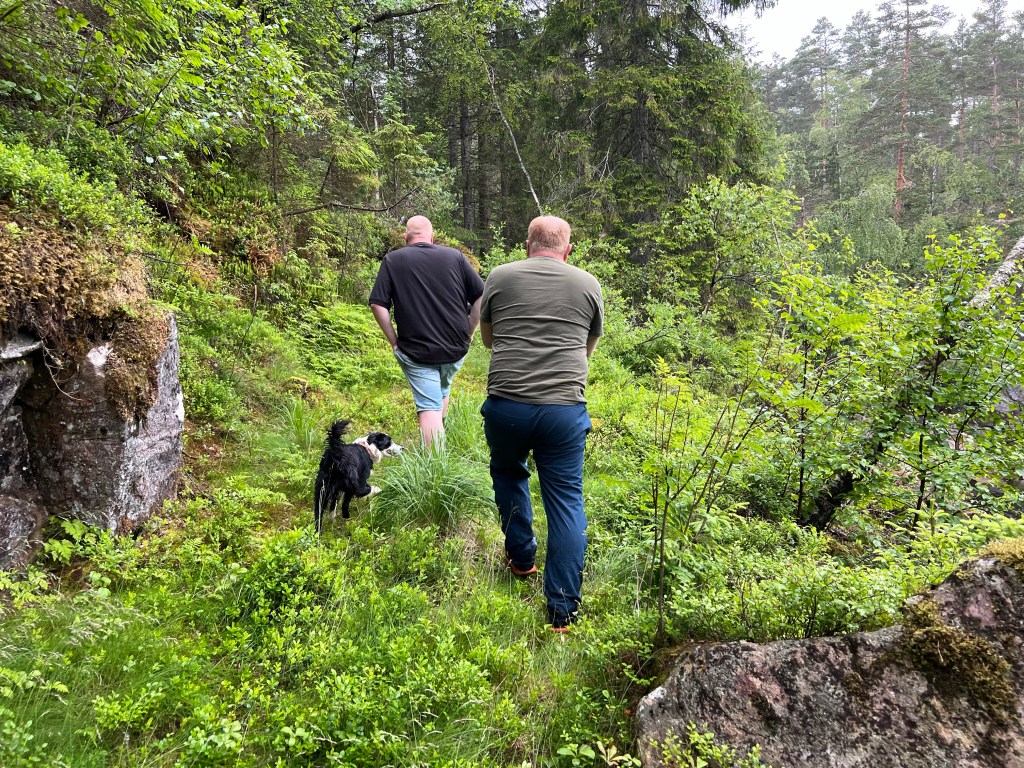
Alf Greibesland — one of Albert Greibesland’s sons — still lives on the Bakken farm at Greibesland. He’s currently involved in a number of projects around the farm, including rebuilding a bridge that crosses the creek at the back of the property where there used to be an old saw mill.

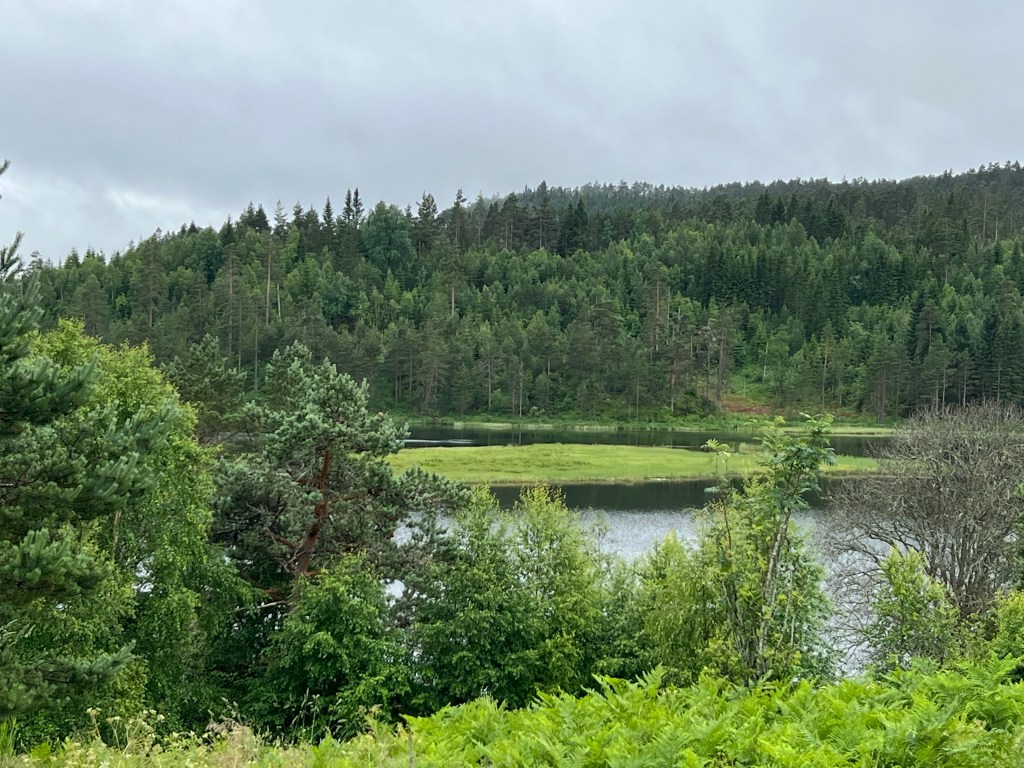
I was pretty intrigued by the idea of an old saw mill on the back of the property because I had read in the Øvrebø bygdebok (local farm history) that one of our ancestors had owned a lumber mill. This mill could be one and the same. Walking around the “back 40” at Greibesland definitely made me feel like I was walking back in time.

Similarly, on Thursday, Linda Kittelsen and her daughters Stine and Sina (my 4th cousins) took a drive with me over to the Øvrebø Church — an important place in the life of our family here for hundreds of years. This was the church where my ancestor Marie and her siblings, her father Alf, and so many other family members were baptized and confirmed. The church building that stands here today was built in 1800, twenty years before Alf’s birth. Linda had arranged for one of the church leaders to come open up the church for us and to give us a tour.

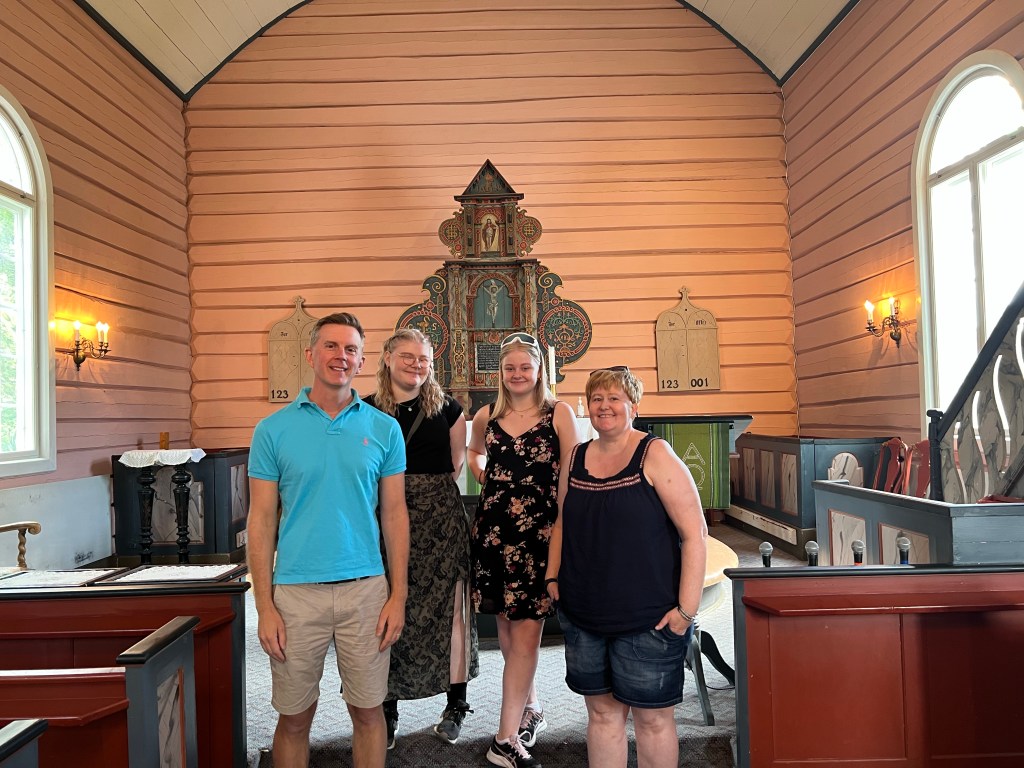

Our guide was Marielle Bjerland Lindekleiv, the church’s Sunday School teacher, who has an encyclopedic knowledge of Øvrebø Kirke’s history. And it’s plain to see that she has a great love for this old church. Marielle said that she often stops and imagines how many important moments have occurred within these walls: joyous, sad, and everything in between. The Øvrebø Church has been witness to so much emotion over its 222 year history. And even though the church’s position in the daily life of the people here has changed, I suspect that this church will always be a place where people want to come to share those important moments.

[1] Information on the Greibesland branch of the family and the family farms comes from the Øvrebø bygdebok (1951).


 Deep Roots
Leave a reply to Jesse Rude Cancel reply