
My great-grandma Elvina Anderson Smith’s father was born as Anton Andreasen Mustadeie on April 24, 1875 in Vardal, Norway to Elisa Christiansdatter (1838-1888) and Andreas Andersen (1834-1920).

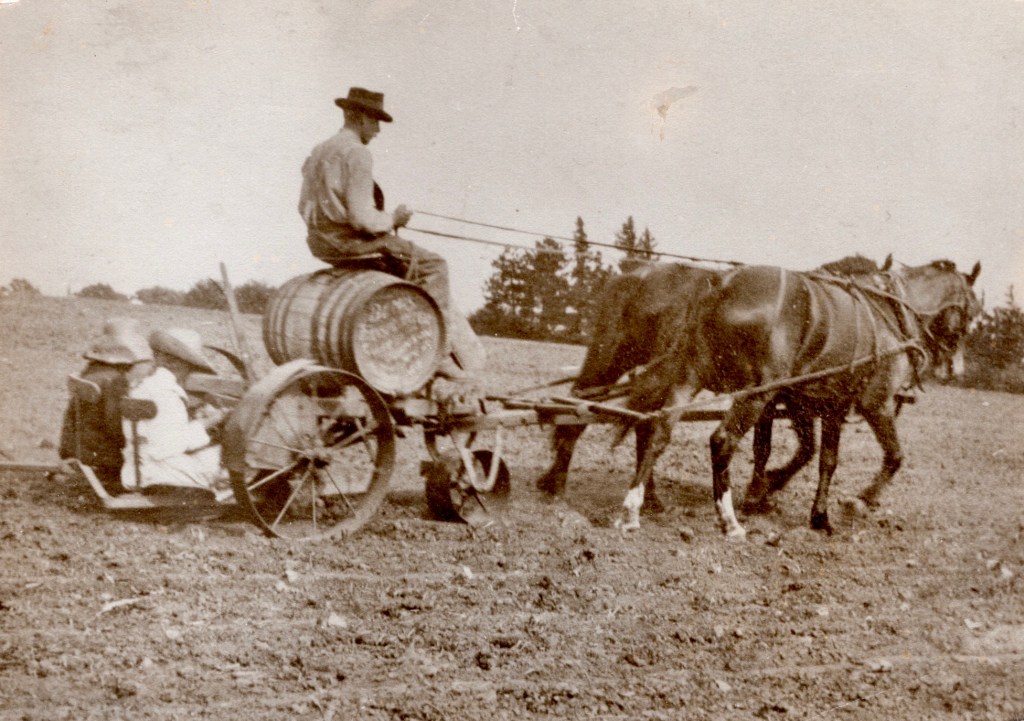
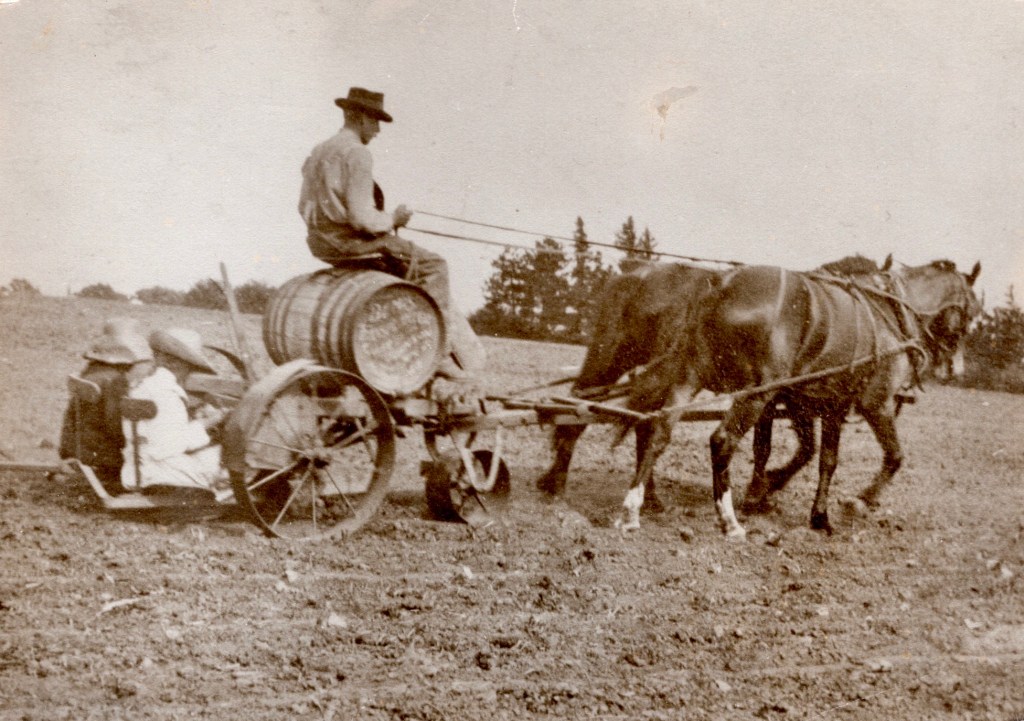
I only have two photos of Grandpa Anton Anderson. The first is above – an enlargement of Anton from the photo I posted a few days ago (see this post). The second is below – Grandpa Anderson on his horse-drawn planter while his daughters Elvina and Nora plant tobacco. This photo was taken around 1908 when the Andersons were living on Rockdale Street in Cambridge, Wisconsin and working on local tobacco farms (here they were working on the Knud Henderson farm).
Anton and his wife Marie undoubtedly met through their siblings – Hans (Anton’s brother) and Berte (Marie’s sister) who had met and married in the US after immigrating. Anton and Marie probably met shortly after Anton immigrated in 1893. Marie and her father Alf had immigrated in 1892, just before Hans and Berte’s wedding. Hans and Berte ended up moving to Jackson County, Wisconsin. And that’s where Anton and Marie married on April 24, 1898 (Anton’s 23rd birthday). But the next year Anton and Marie decided to settle in Dane County, where Marie’s father Alf and her siblings Ingeborg, Berndt “Tobias” and Anders were living.

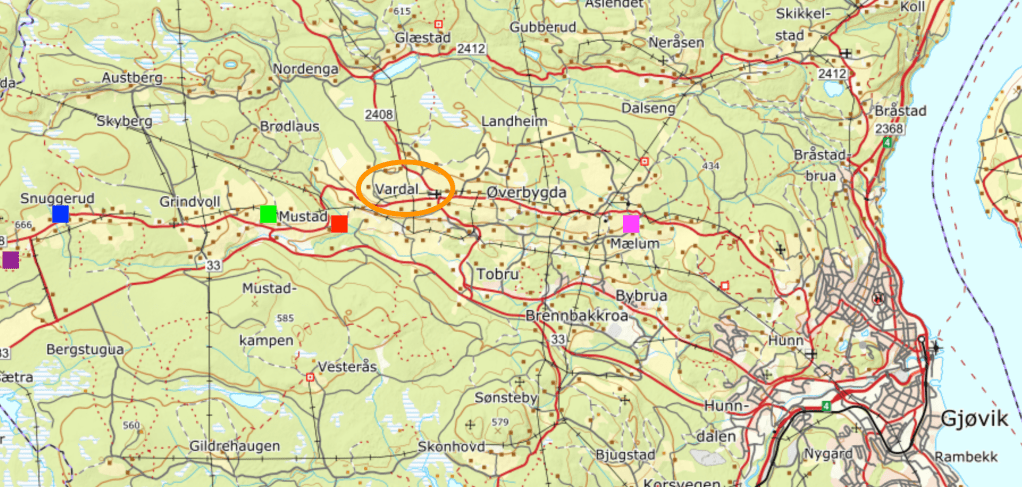
Vardal – where Grandpa Anton Anderson was born – is now incorporated within Gjøvik, the largest community in the area, which is located on the west side of Lake Mjøsa in Oppland. Anton’s mother, Elisa Christiansdatter, was born exactly 37 years before her son – on April 24, 1838 – to Siri Engebretsdatter (1805-1881) and Christian Johannesen Sevalseie (1810-1881). The Seval farm where Elisa grew up is just west of where she and Andreas raised their family. Elisa was one of at least four children born to Siri and Christian. Anton’s father Andreas Andersen was born on May 5, 1834, the seventh of nine children of Marte Olsdatter (b. 1791) and Anders Hansen (b. 1787). Andreas’s family worked on the lower portion of the Hage farm (“under Hage”), also located in Vardal.
Unfortunately, little is known about either of Anton’s parents, but his father Andreas Andersen lived to a ripe old age and was a well regarded small farm operator in the area. If my reading of the local bygdebok is correct, Andreas delivered the mail in Vardal for a few years and, due to conditions there at the time (1840s-50s), he felt it necessary to carry a loaded pistol when he made his rounds. In his later years, Andreas recounted a time when he was attacked on the road, but he managed to get away safely.[1]
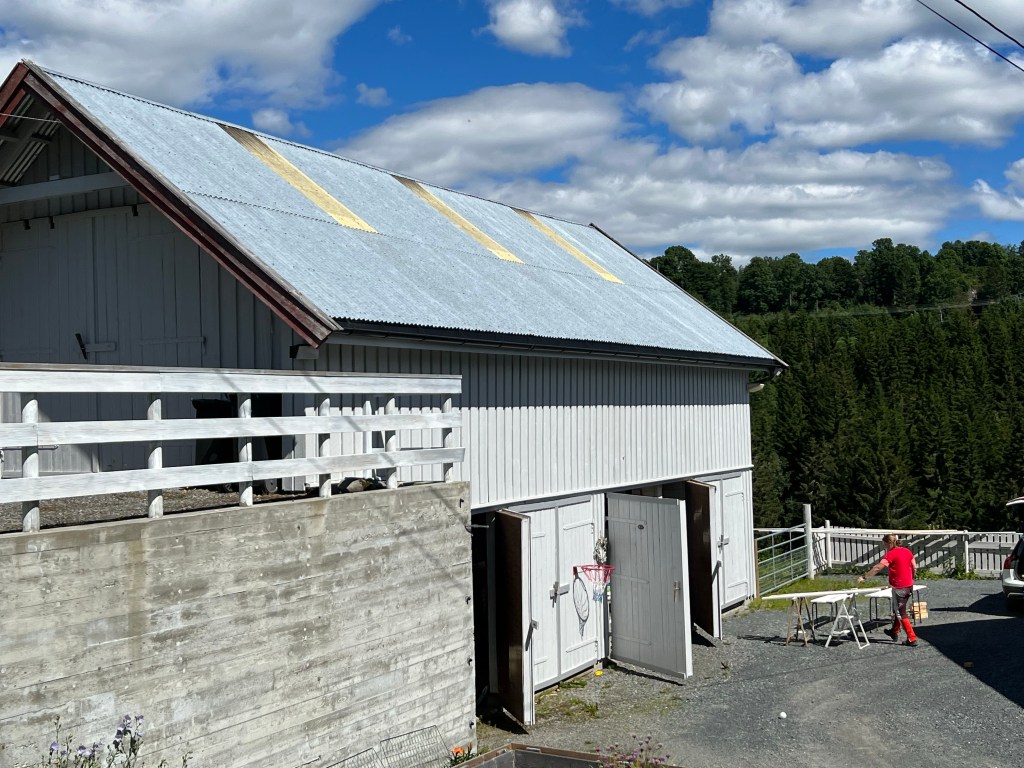
Prior to Anton’s birth, Elisa and Andreas leased a homestead on the northern portion of the Snuggerud farm. Then for several years the family managed a section of the Mustad farm (where Anton was born) before finally moving to the Lindalen farm.* These multiple moves may indicate that Andreas and Elisa struggled to provide for their growing family. Indeed, Anton was the seventh of 10 children in total: Christian (1859), Anna Marie (1862), Syverina (1865), Hans (1867), Johanne (1870), Ole (1872), Anton (1875), Lina (1877), Mattias (1879) and Kristine (1884). The family church in those days was Vardal Kirke, built in 1801.
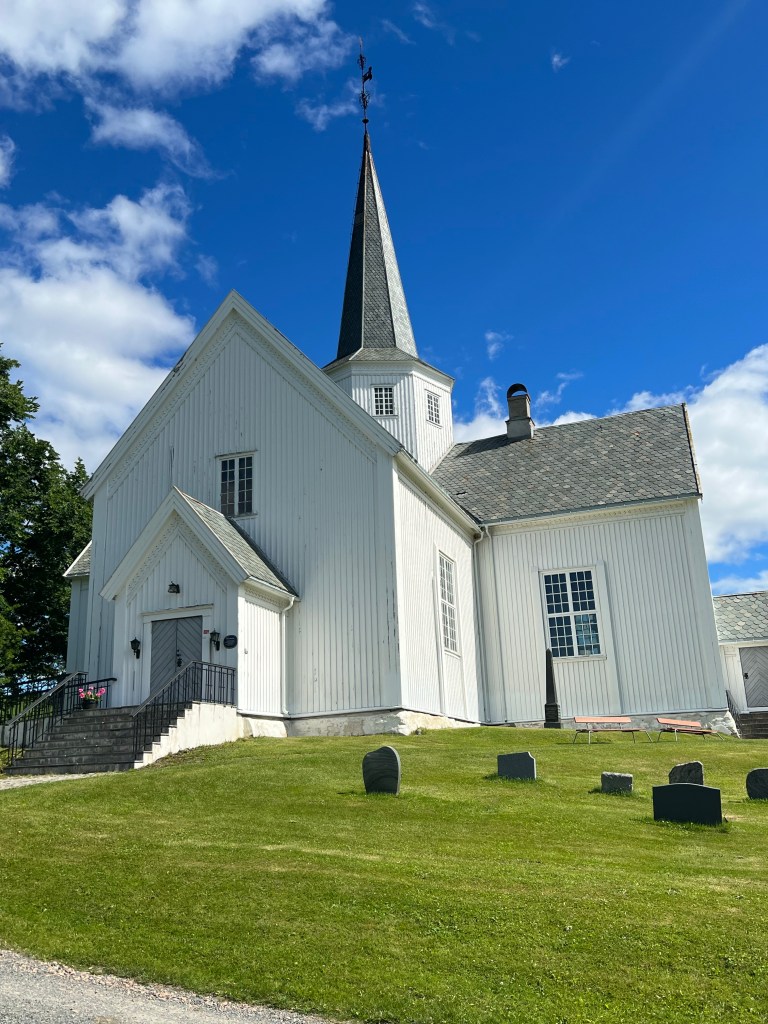
As with his wife Marie’s family (see this post), Anton’s family experienced major changes in the 1880s. In the middle of that decade, at least two of Anton’s siblings – his brother Hans and his sister Syverina – emigrated to Wisconsin. And in 1888 Anton’s mother Elisa died. Anton was 13 at the time. After his mother’s death, Anton’s father Andreas married Gunhild Larsdatter Lybæk, whom Anton later recalled fondly as a good stepmother to him and his younger siblings.
Anton himself left for Wisconsin when he was just shy of his 18th birthday in March of 1893. Anton’s father, stepmother and other siblings stayed behind in Norway. Traveling on his own, Anton arrived by steamship into Halifax, Nova Scotia (by way of England), which was a common entry point for Norwegian immigrants at this time. From Halifax he journeyed by rail to Wisconsin, getting to Cambridge on the first of April. In his later years, he remembered being impressed by the endless wheat fields he saw from the train window.
In Wisconsin, Anton was reunited with his brother Hans, who was living in Cambridge at the time. Anton was first employed at the Torger Thompson Farm in Utica, which became part of the University of Wisconsin Farms. It is probable that around this time Hans and Anton decided to take the last name Anderson.**
Later, another of Anton’s sisters, Lina, joined her siblings Syverina and Hans in northern Wisconsin and started a family there. As far as I know, the rest of the siblings either died young or remained in Norway.
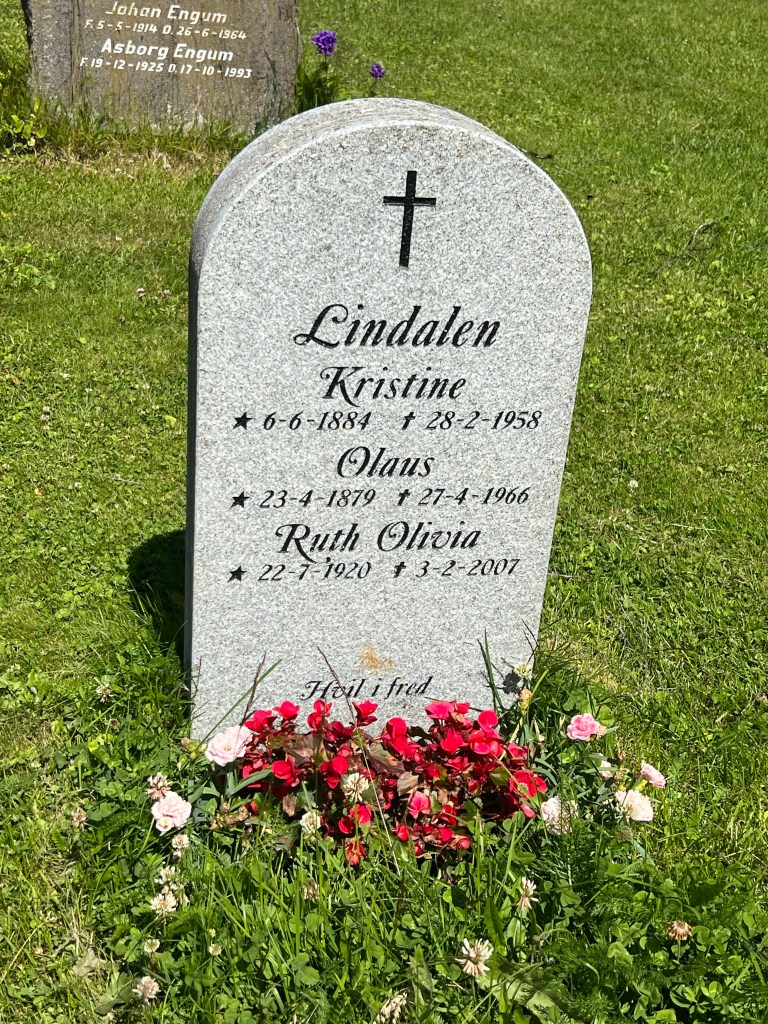
Among those who stayed was the youngest child, Kristine, who married Olaus Olsen Presterudgjerdet. Olaus took Kristine’s last name Lindalen and they raised seven children on their farm.

Front row: Ottar, Kristine, Olaus and Alf
One of those seven children was Ottar (bottom left in the photo above), who was the father of Willy Lindalen and the paternal grandfather of Gry Lindalen.
Gry is famous in our family. She first came to the US in the summer of 1992 and visited the family in Wisconsin, and then she came back in 1994-95 to work as an au pair in Milwaukee. She bonded with our branch of the family and became especially close with my great-aunt Shirley and Shirley’s children. She has since been back to the States several times. Somehow, however, Gry and I had always missed one another. We’d never met. Until now!

Gry and I met for lunch on Friday as soon as I arrived into town, and it was like we had known each other for years. We hit it off immediately. She took me out to lunch and then we walked down the street and she treated me to Gjøvik’s finest chocolates. What a welcome! Before I went back to my hotel, Gry and I made a plan to meet up on Sunday at 11 am. Little did I know then what kind of a day lay ahead of me.
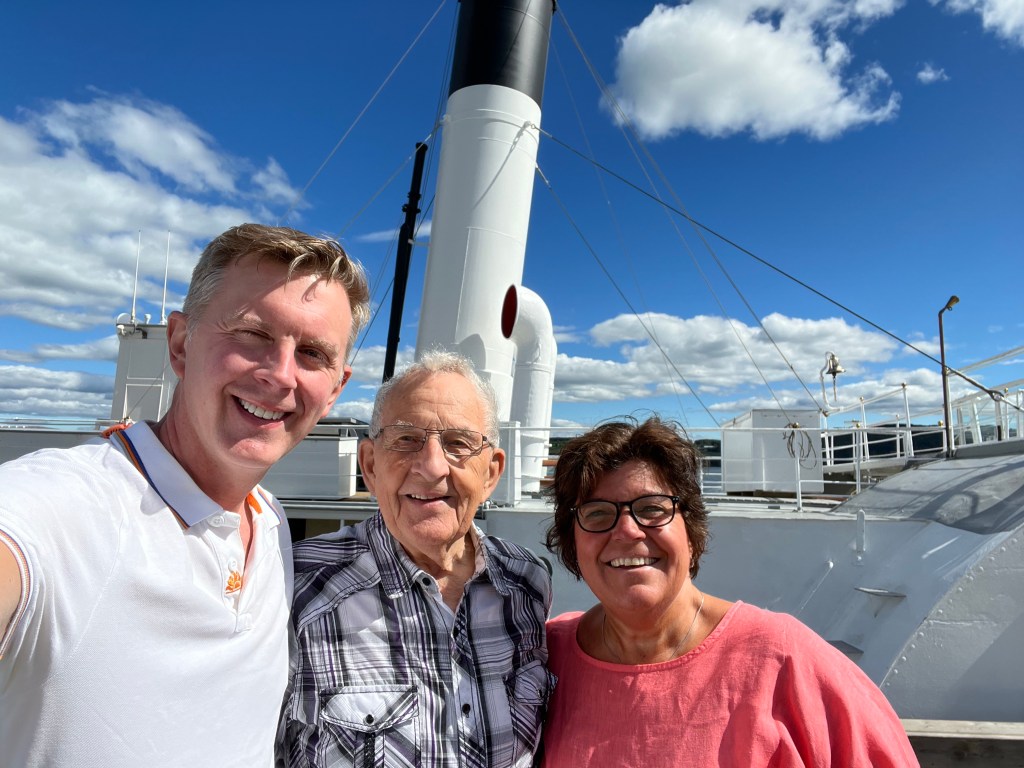
When Gry and her father Willy picked me up on Sunday, our first stop was the “white swan of Mjøsa”, the Skibladner. This paddle steamer first set sail in 1856, and it has been going more or less continuously ever since. At the moment it’s undergoing repairs, but it typically cruises around Lake Mjøsa in the summer. These days it’s used for tourism and not serious transportation, but we can imagine that our ancestors might have actually used this ship if they ever needed to cross from Gjøvik to Hamar in the east.
Our next stop was the Gjøvik Cemetery, where we visited the graves of Willy’s parents, Selma and Ottar Lindalen.

After this we headed west — into the Vardal farmlands where our ancestors have lived for hundreds of years.
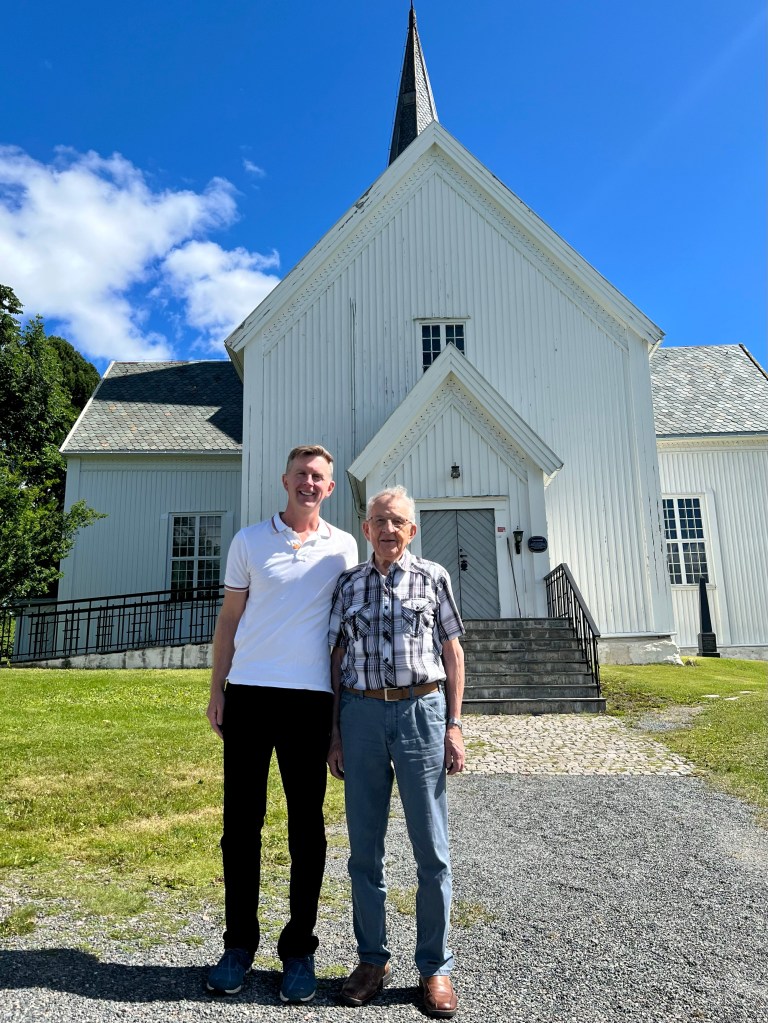
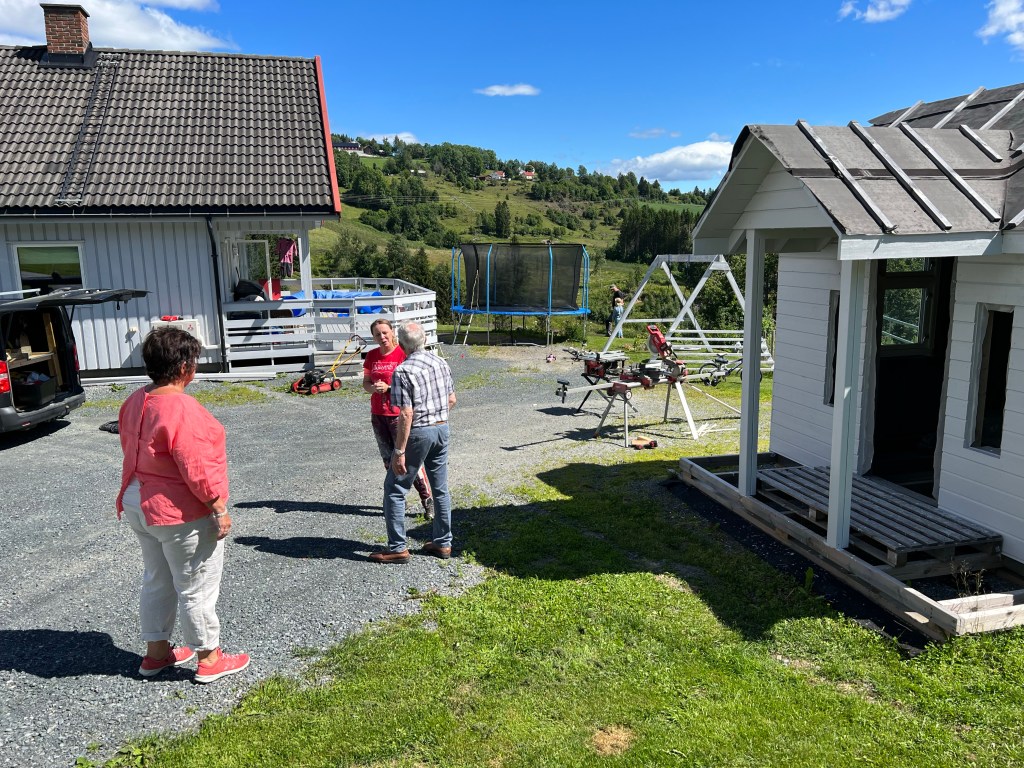
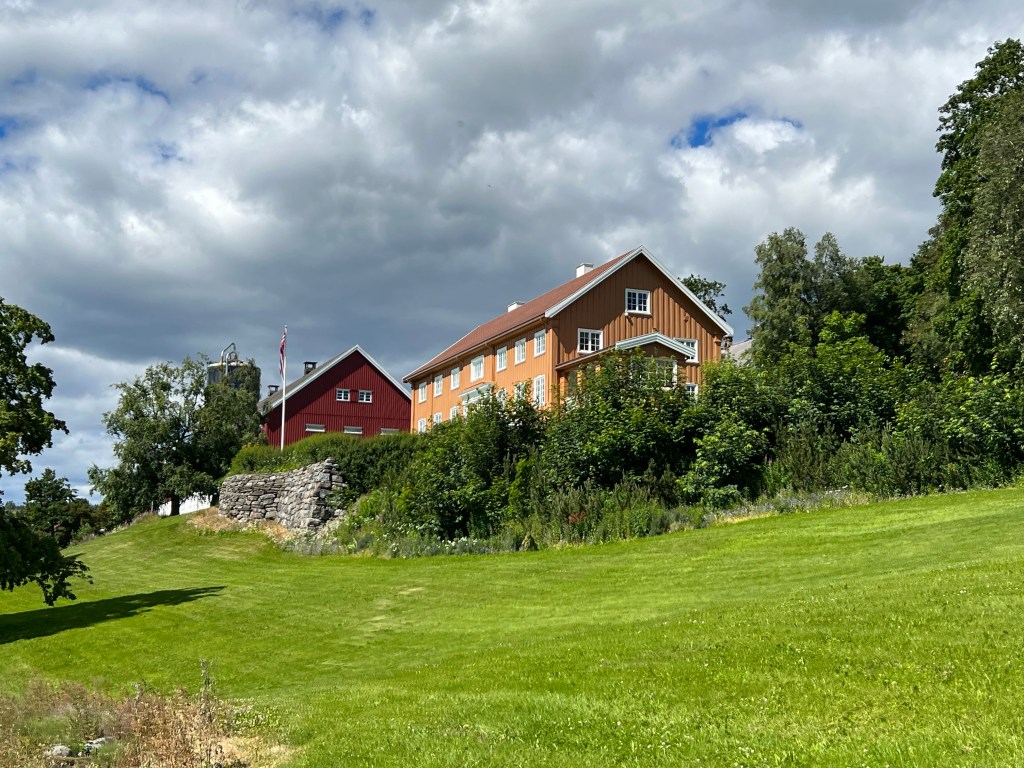
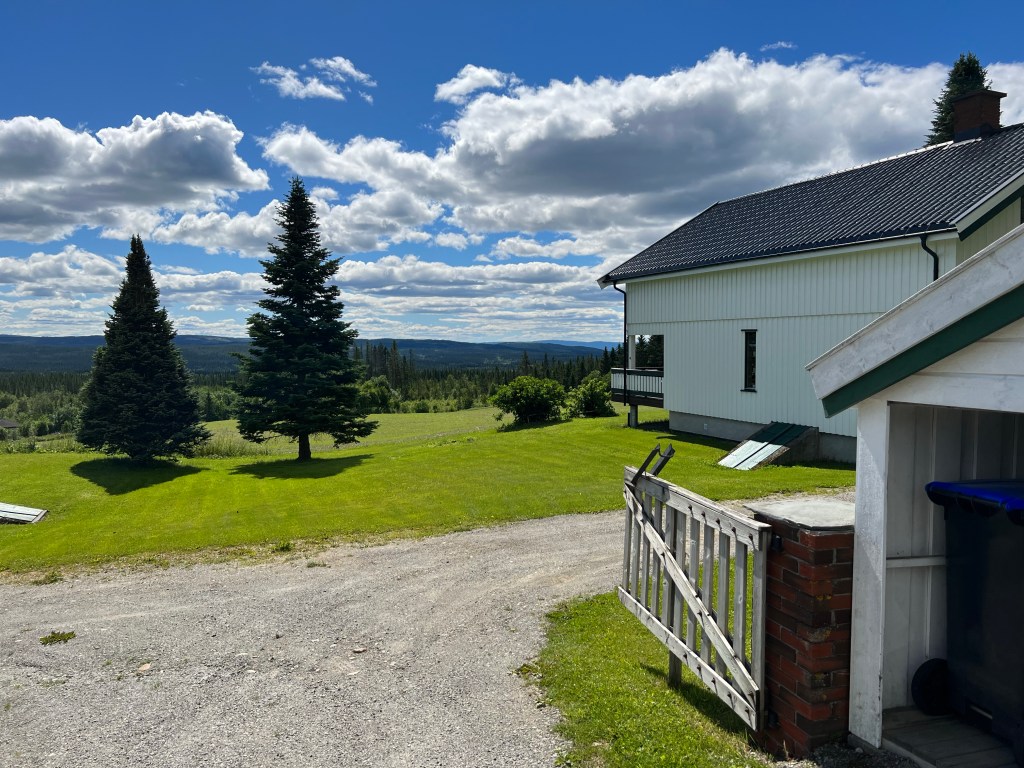
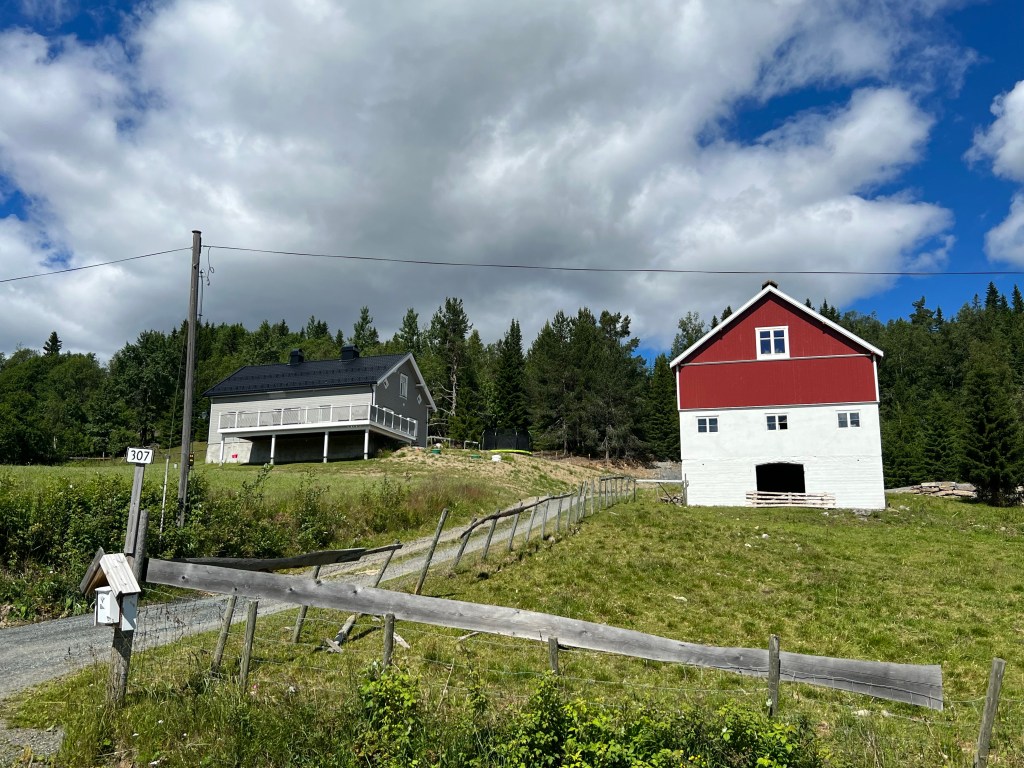
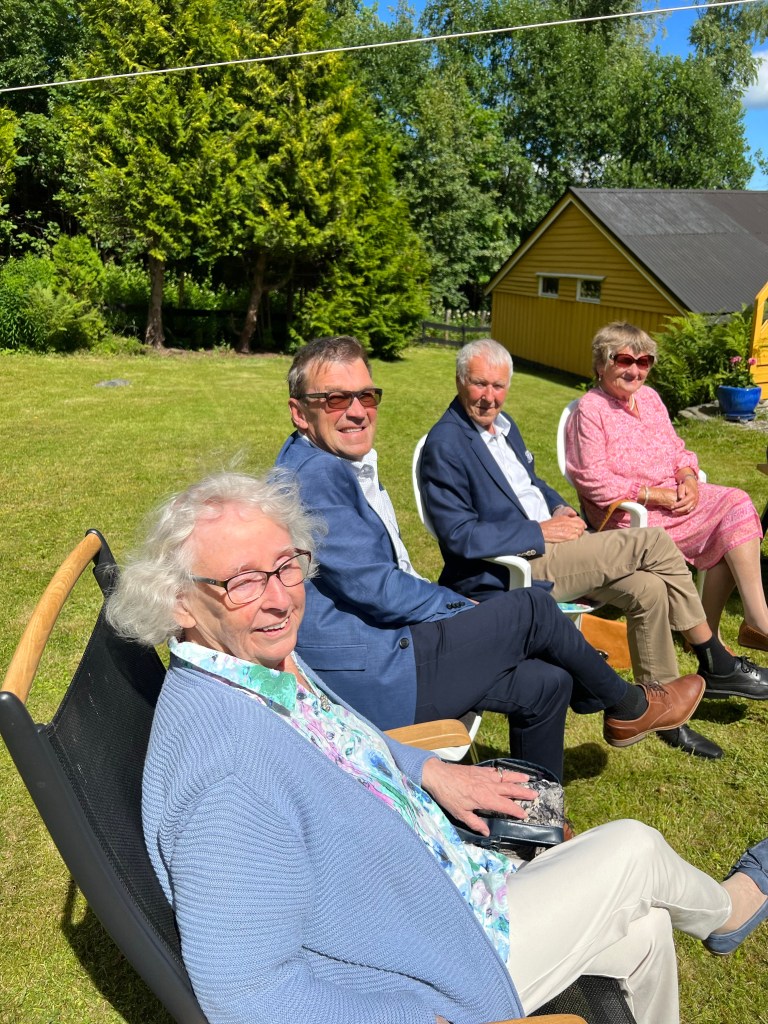
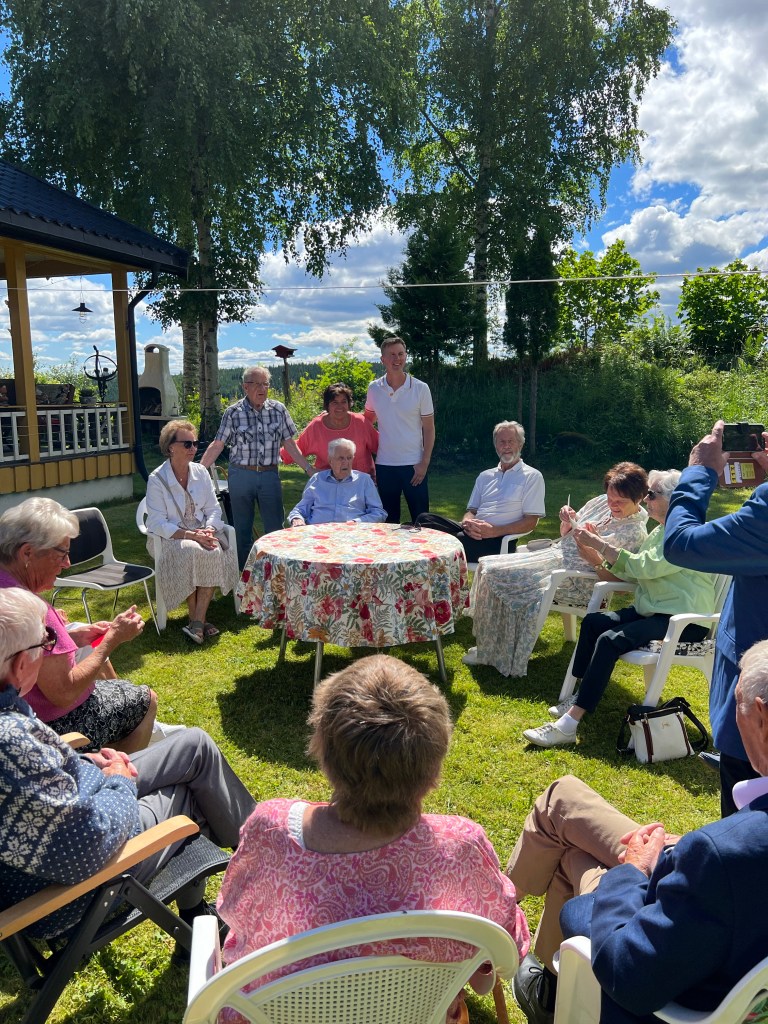
Our final stop was Willy and Helene’s lovely home in the hilly countryside northwest of Gjøvik. There a large number of Lindalen family members had gathered to meet me and have dinner together. It was overwhelming (in a good way!) to meet so many members of the family. They all spoke so highly of my great-aunt Shirley, and how good it was that she had kept in touch over the years. They’ve cherished her cards and letters. (If any of Aunt Shirley’s immediate family are reading this, will you please let her know that dozens of family members over here still think of her often?)

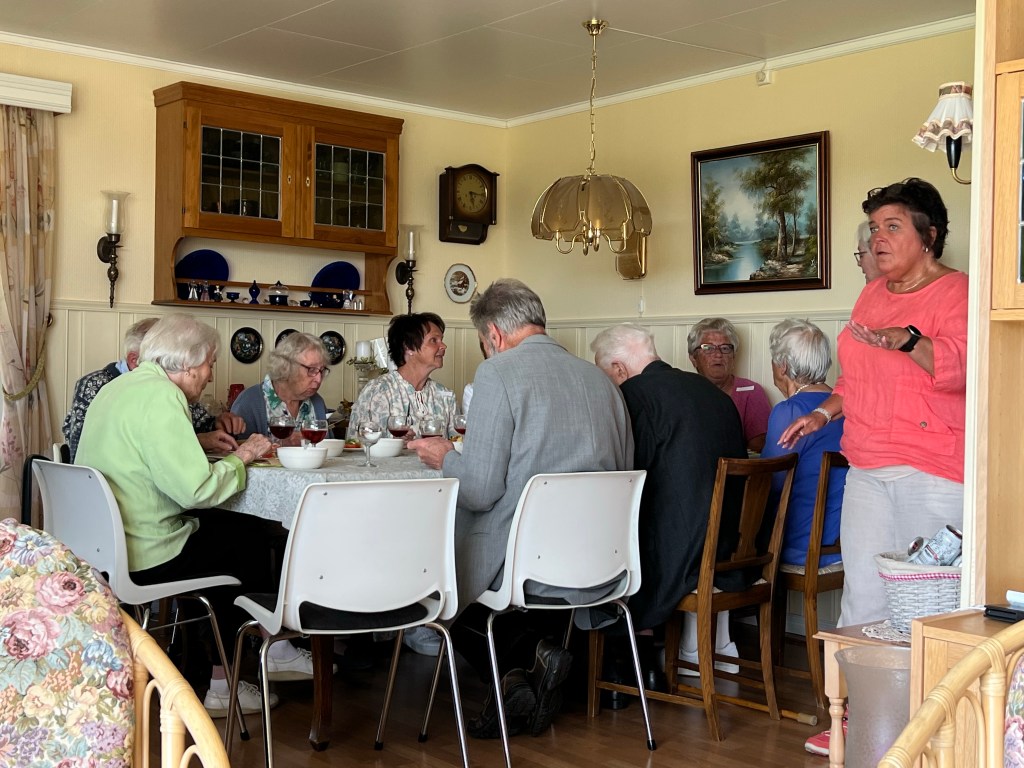


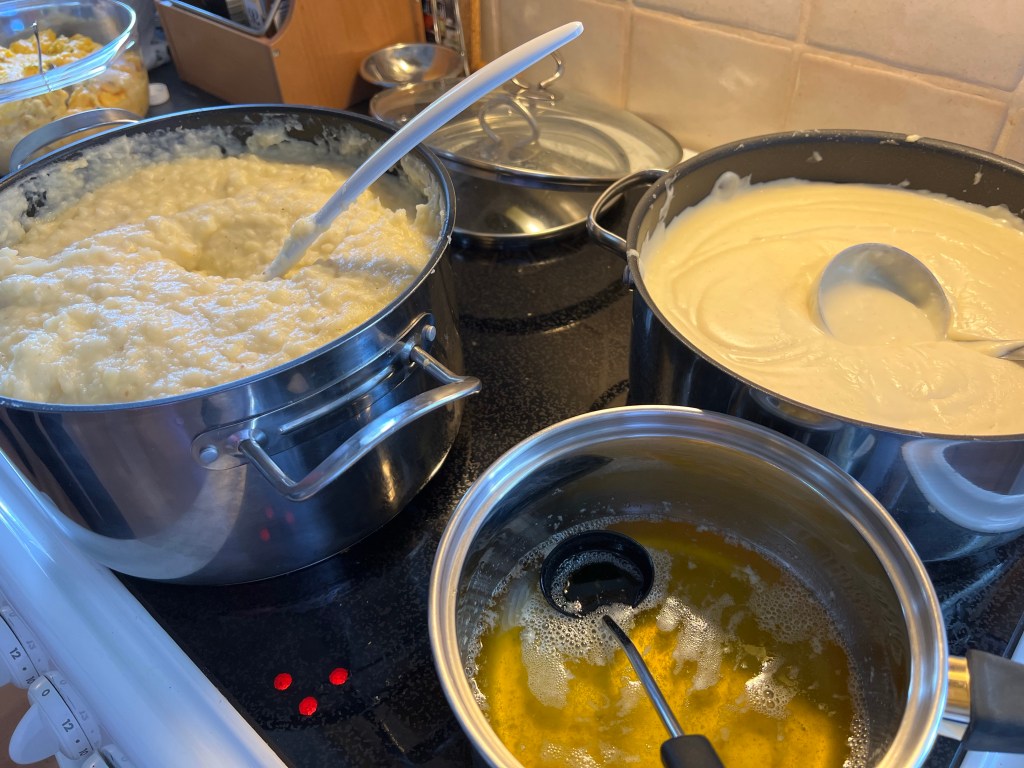
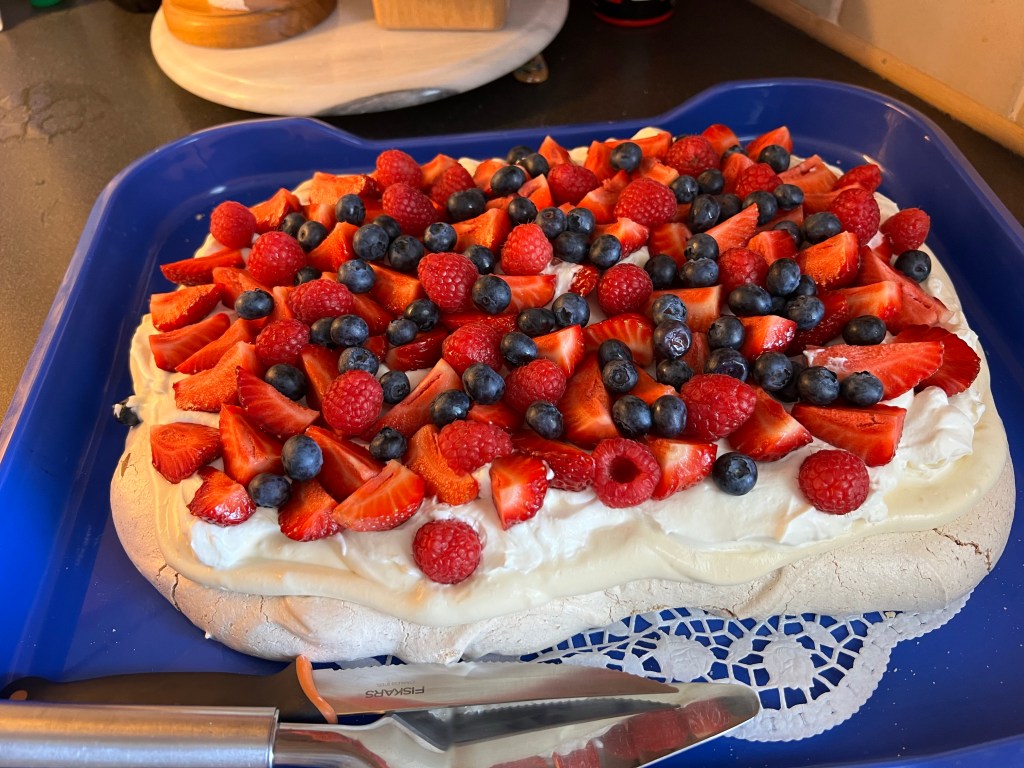
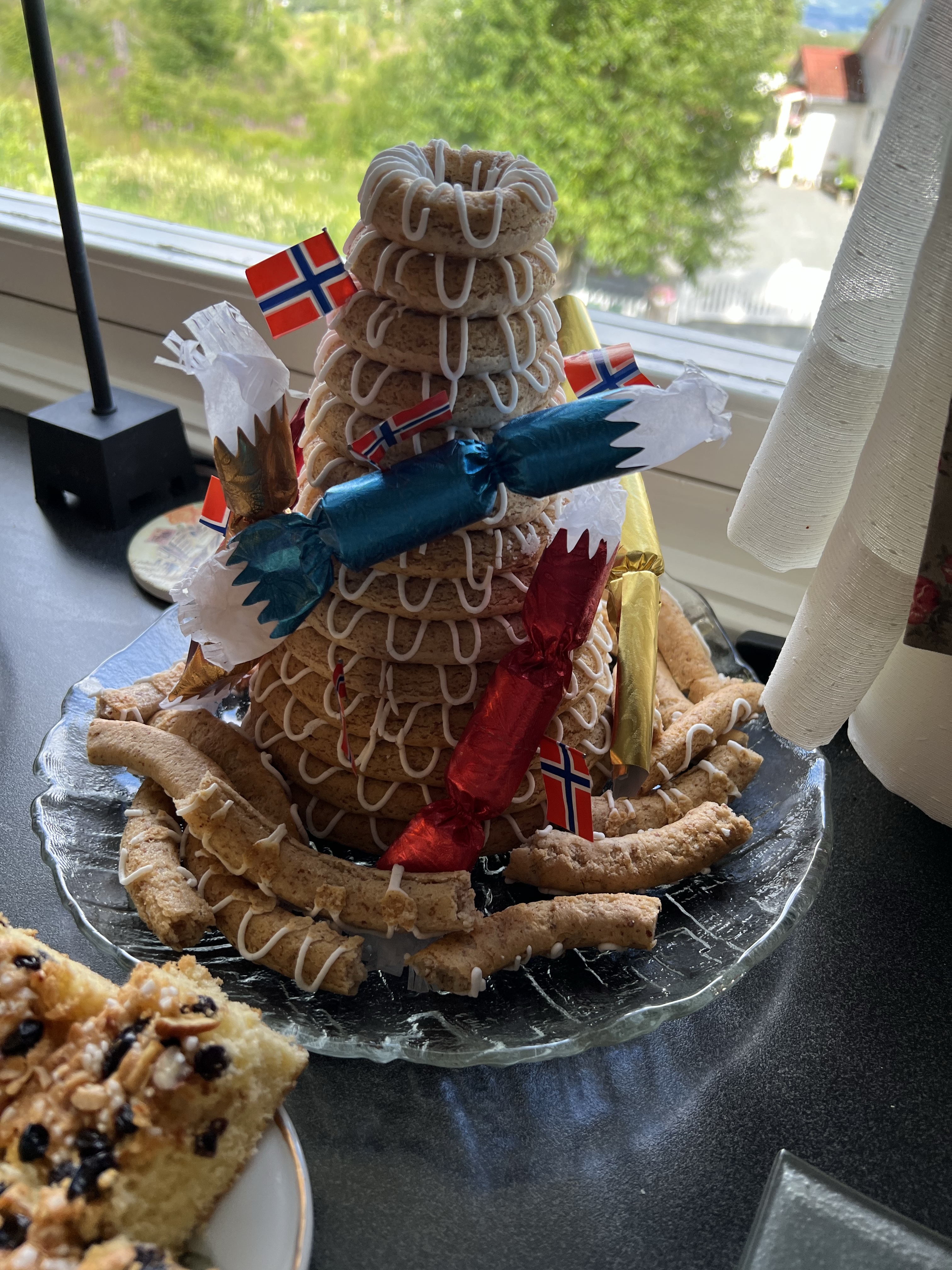
Helene served a multi-course dinner that included rømmegrøt (sour cream porridge), mashed potatoes, eggs, spekkemat (cured meats), salads, fruits, flatbreads and cheeses. It was… heavenly.
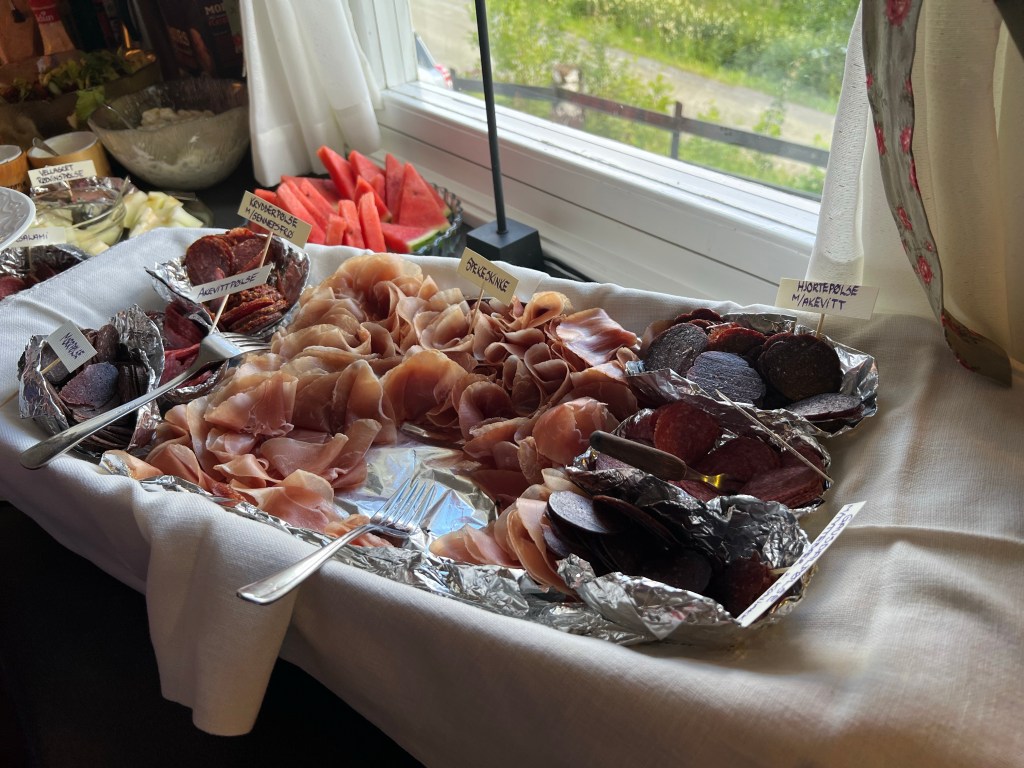
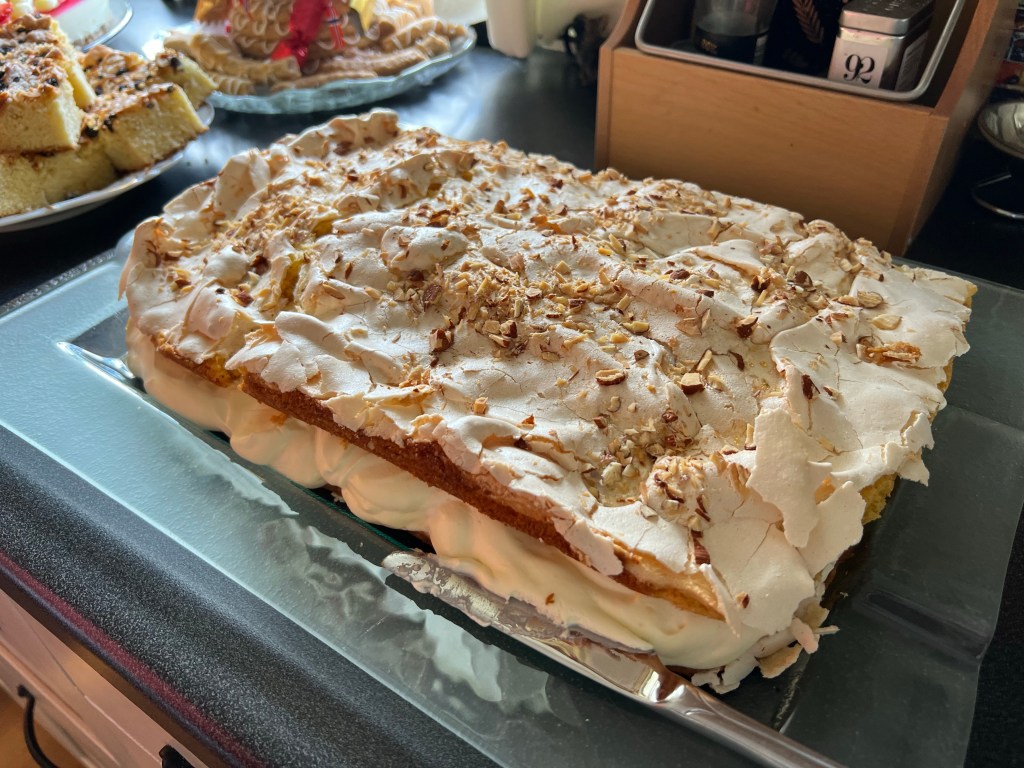
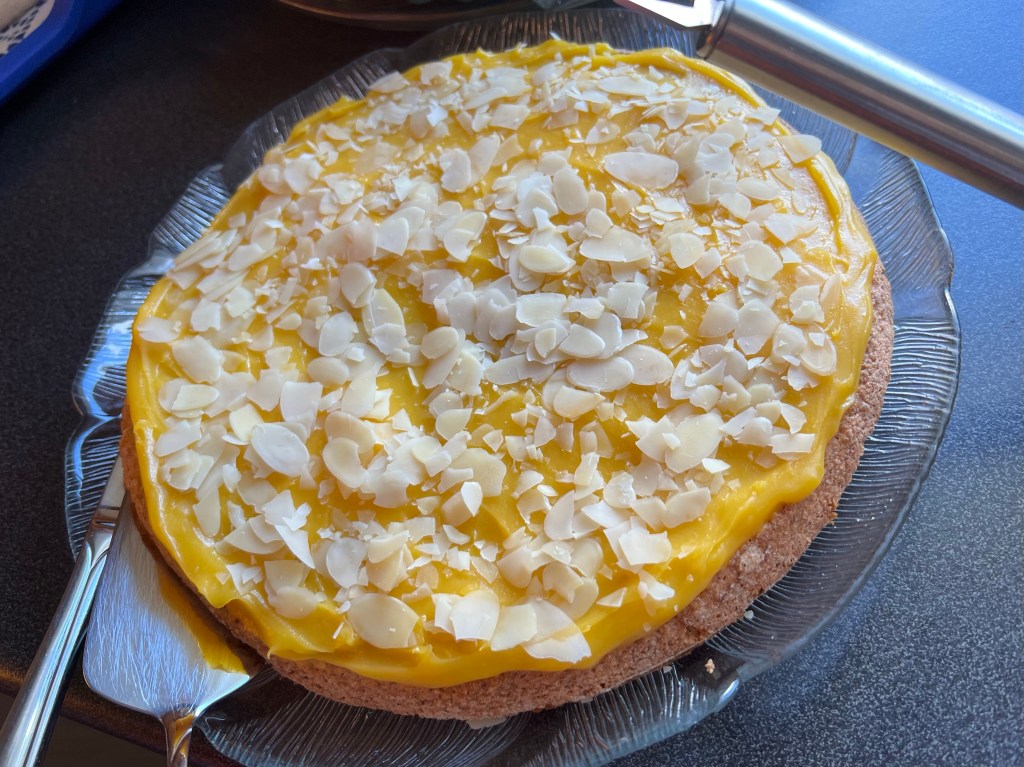
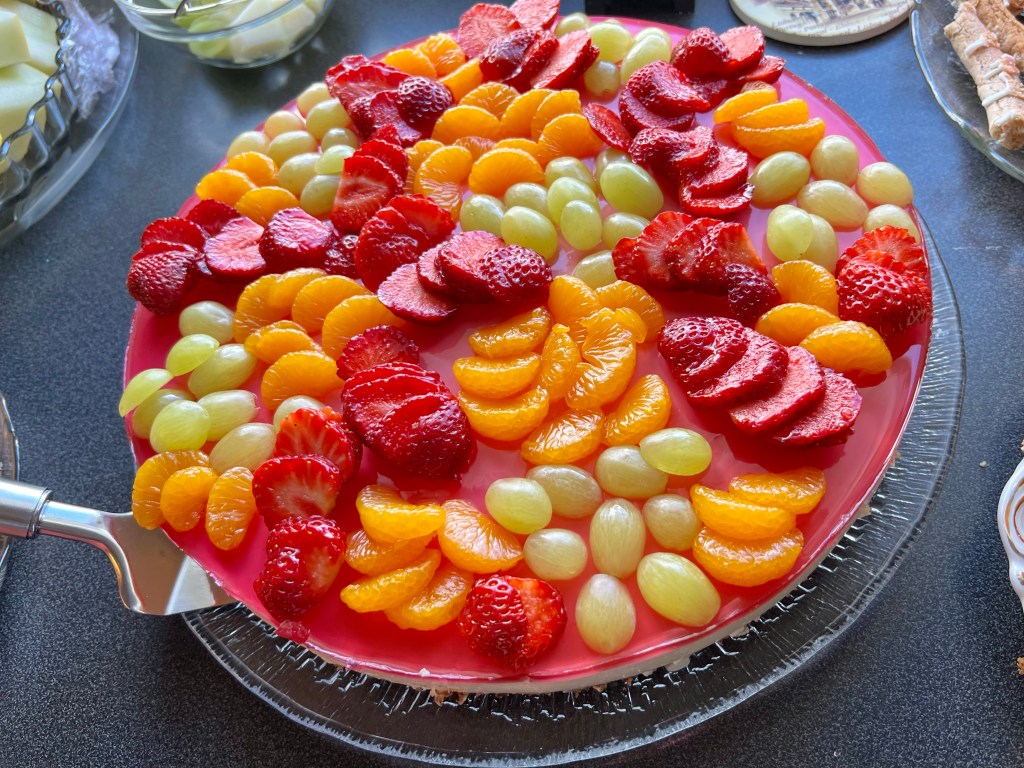

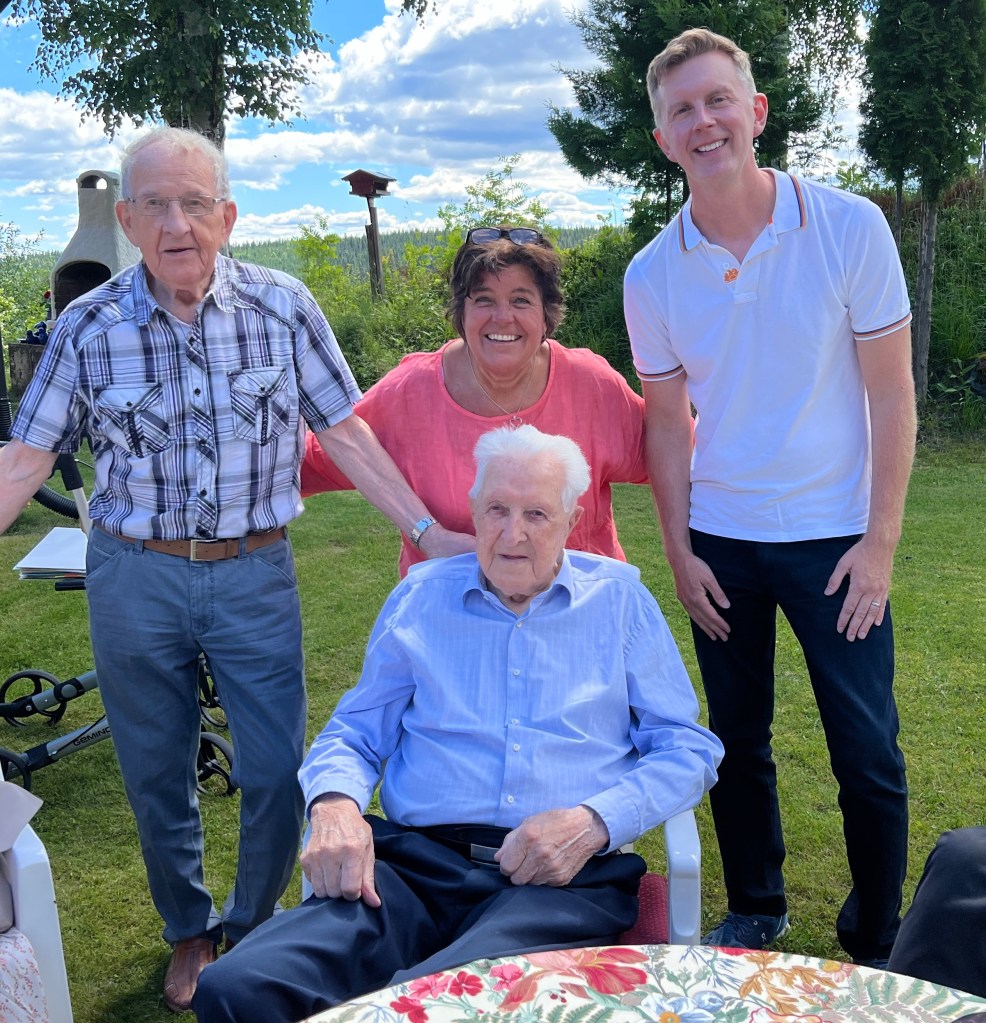
One of the best parts of this amazing day was having the opportunity to chat with my great-grandma Elvina’s first cousin, Reidar Lindalen, who is 97. Reidar is the youngest child of Olaus and Kristine (Anton’s youngest sister). He spoke about the old days, and how his mother didn’t know her older siblings who had moved to America because at least two of them (Syverine and Hans) had moved there before she was born. Reidar also had several funny stories about his years as a bus driver. My favorite was the one about the bus load of American visitors who he drove to a local hotel. In anticipation of their arrival, the hotel manager had organized a big dance party for these Americans, only to be informed by Reidar that they weren’t big partiers — it was a bus full of ministers!
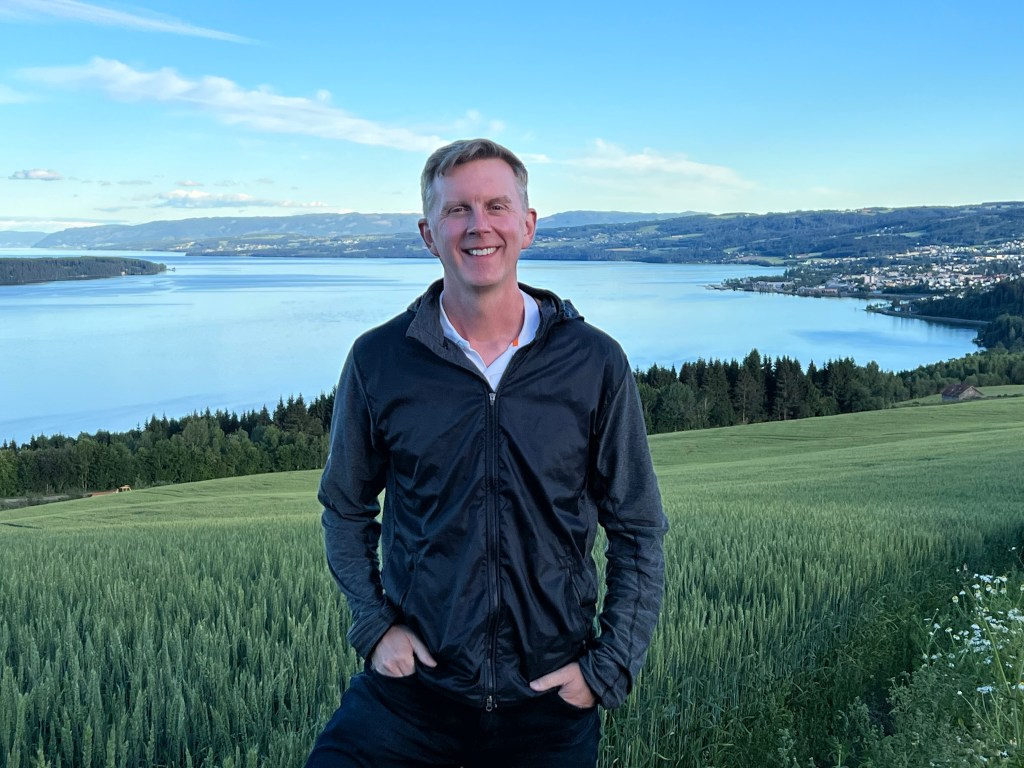
Last night when I got back to town, Gry stopped by and we went out for a drink. As a parting gift, she gave me the one thing she knew I didn’t want to leave Norway without — a cheese knife (ostehøvel). And it’s not just any cheese knife but the prince of cheese knives. Thank you, Gry!
As I was leaving Gjøvik this morning (Tuesday), Gry came to the hotel to see me off. We both got a little teary-eyed. I told her this and I mean it sincerely: this isn’t “goodbye”, it’s “see you later”.

I’m currently writing these words on board a ship sailing between Denmark and Sweden, on my way to Kiel, Germany. And as I’ve been watching Norway retreat into the distance this evening, I keep thinking the same thing — “see you later!”
* I may have this wrong — it may be the case that the farm referred to as “Mustadeie” in the records (meaning owned by the Mustad farm) is one and the same as Lindalen. Still working on this one!
** Hans and Anton may have chosen “Anderson” because Andersen was their father’s patronym. Both men also became sons-in-law to Alf Andersen Greibesland, who arrived with daughter Marie in 1892, and that may have had an influence. On top of this, their sister Syverina (who had immigrated to Jackson County, WI) had married a man named Anderson. Other siblings of Anton and Hans – particularly those who stayed in Norway – kept the Andreasen patronym and used the farm name Lindalen as their last name after Norway passed a law in 1923 requiring a set surname.
[1] This is based on information I found in books 2 and 3 of the Vardal bygdebok (1930). I believe the writers of that book were referring to the Andreas Andersen Lindalen who was our ancestor, but I will attempt to get confirmation on this.


 Deep Roots
Leave a reply to Teddie H. Cancel reply