
My husband’s paternal line hails from Bristol, a major port city on the west side of England. Theodore Burgess (my husband’s great-great-grandfather) and Theodore’s father William Burgess said goodbye to Bristol on March 29th, 1852, climbing aboard a ship called Scurry with 127 other passengers. Scurry was bound for Port Phillip (Melbourne) and Sydney, Australia, and Theodore (19) and father William (57) are the final names listed on her manifest. Despite her name, Scurry didn’t drop anchor in Sydney Harbour until September 10th — after over five months at sea.
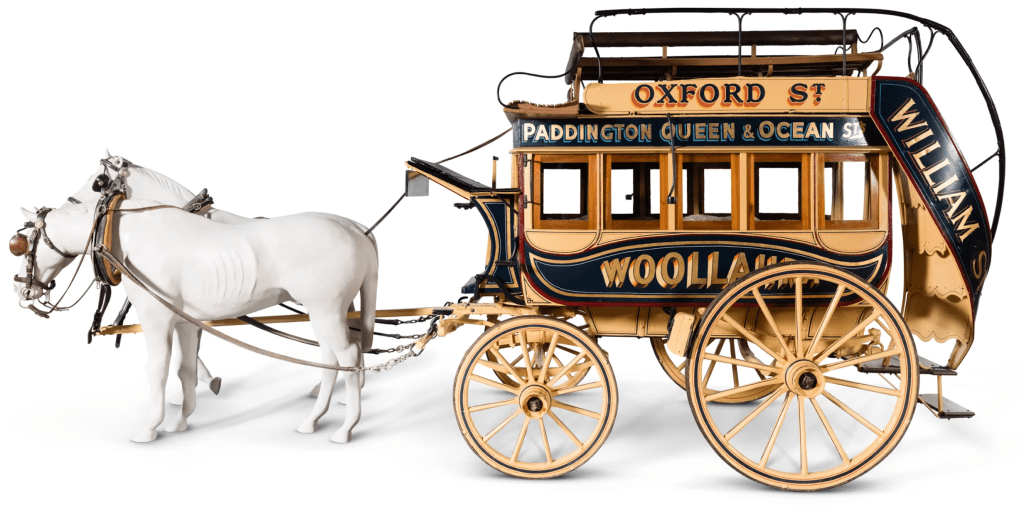
A world away from England, Theodore would go on to marry Clara Fanny Weeks, a young lady who grew up in the Somerset countryside. In Sydney, Theodore and Clara Fanny would have at least 10 children together (7 reaching adulthood), and Theodore would provide for the family as an omnibus driver. The family resided southwest of the city centre, in Darlington. Theodore and Clara Fanny’s eldest surviving son, Frederick Edwin (1858-1906), was my husband’s great-grandfather.
What prompted Theodore and William Burgess to sail for Australia is unknown, but it may have been a combination of economic and personal factors. Bristol’s population quintupled in the 19th century, and there was a shift away from certain traditional trades. Both Theodore and William were listed on Scurry‘s manifest as “moulders” (i.e., metalworkers), and Bristol’s copper and brass manufacture had been on the decline. In addition, William’s wife Ann had died in 1850 — only 54 years old. We can speculate that such a shake-up in the life of the family could have inspired thoughts of going abroad.
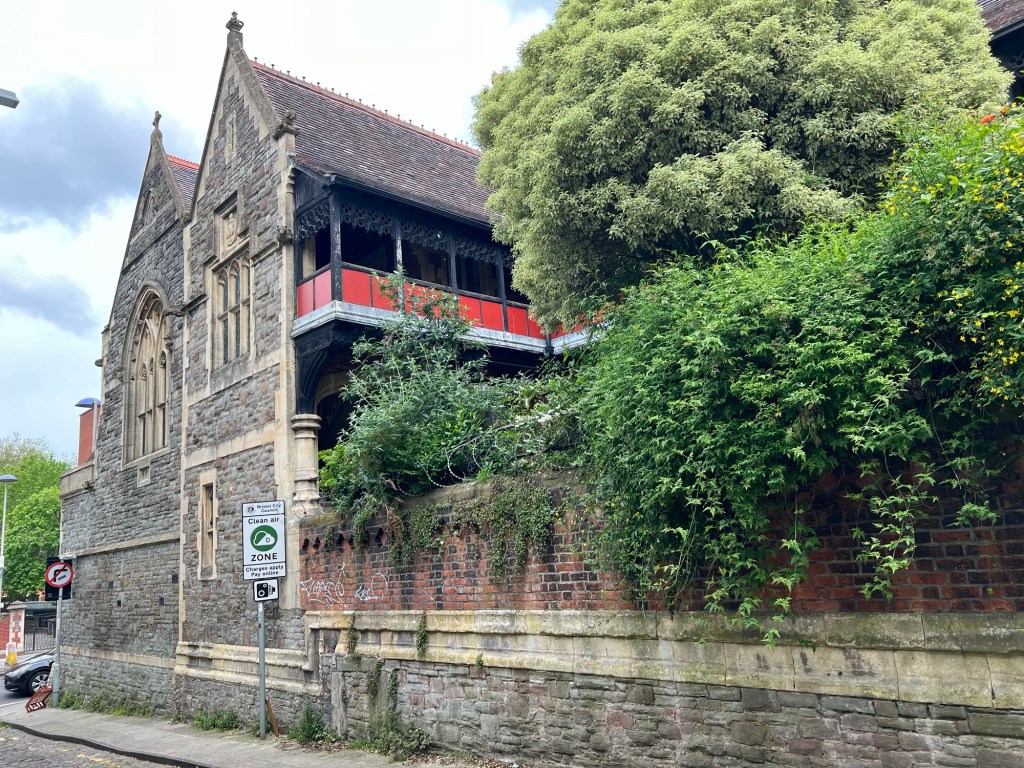
The church in Bristol where the Burgesses were members still stands. Affectionately called Pip ‘n’ Jay by the locals, the Church of St. Philip and St. Jacob claims to be the oldest place of Christian worship in Bristol. It is now home to an evangelical congregation, which has renamed the church Central.
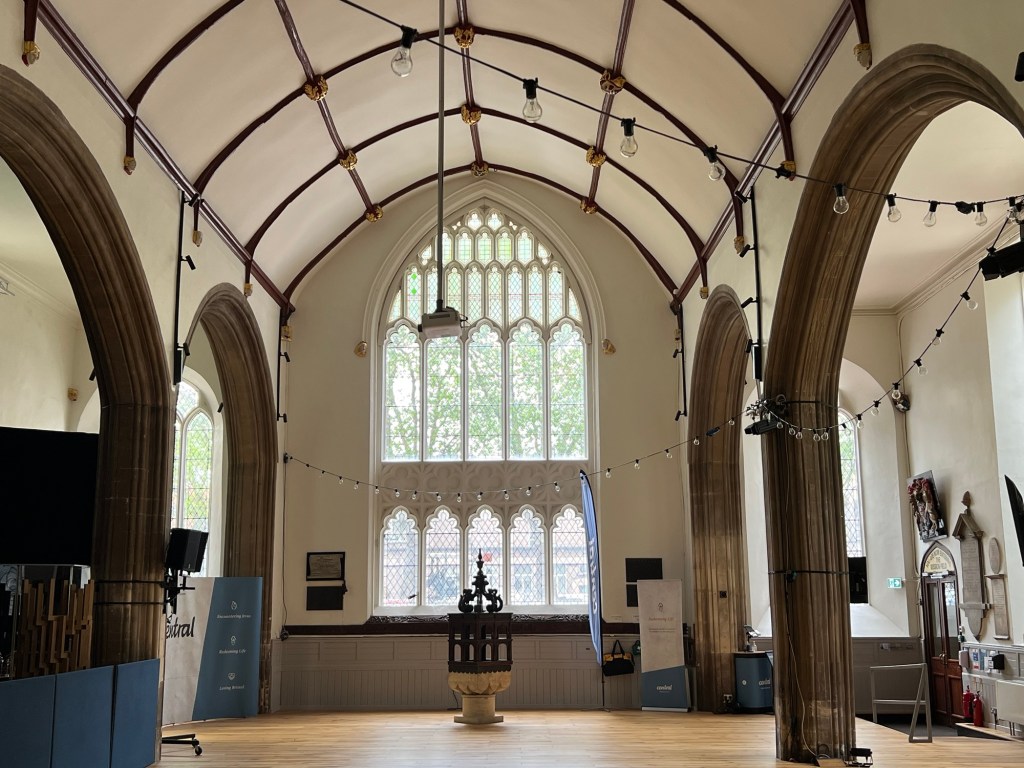
After a lengthy negotiation, I convinced a cleaning lady at Central to allow me to take a look around the inside of the church. Sadly, the evangelical denomination is modernising some of the interior, but many of the original elements shine through.
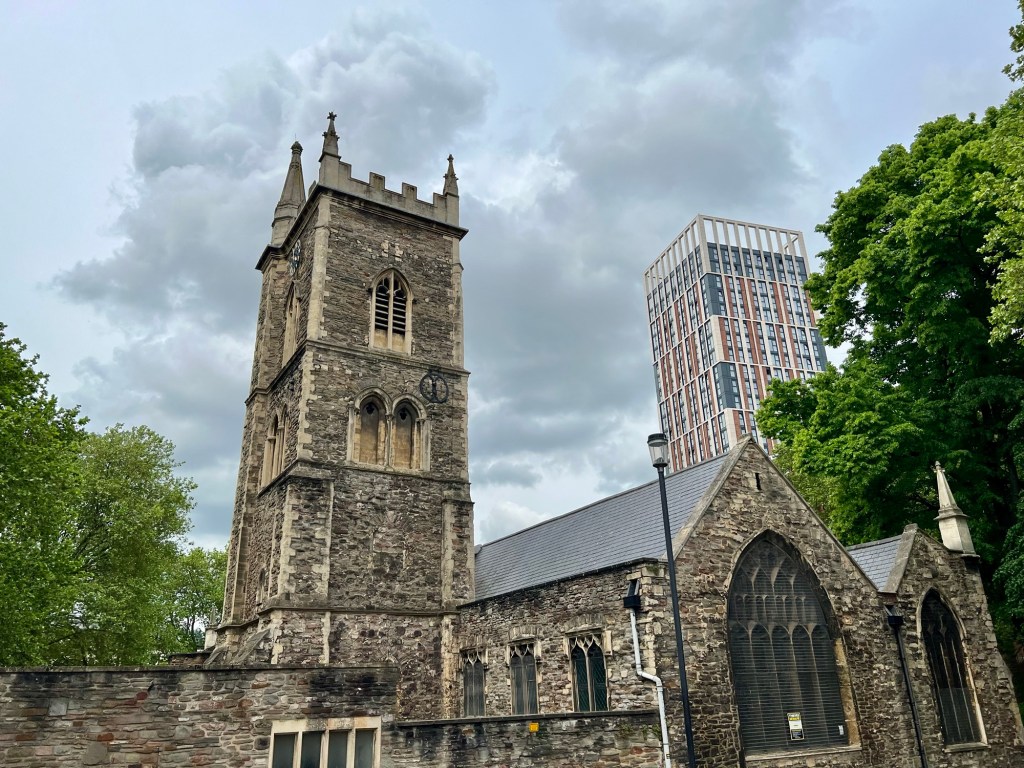
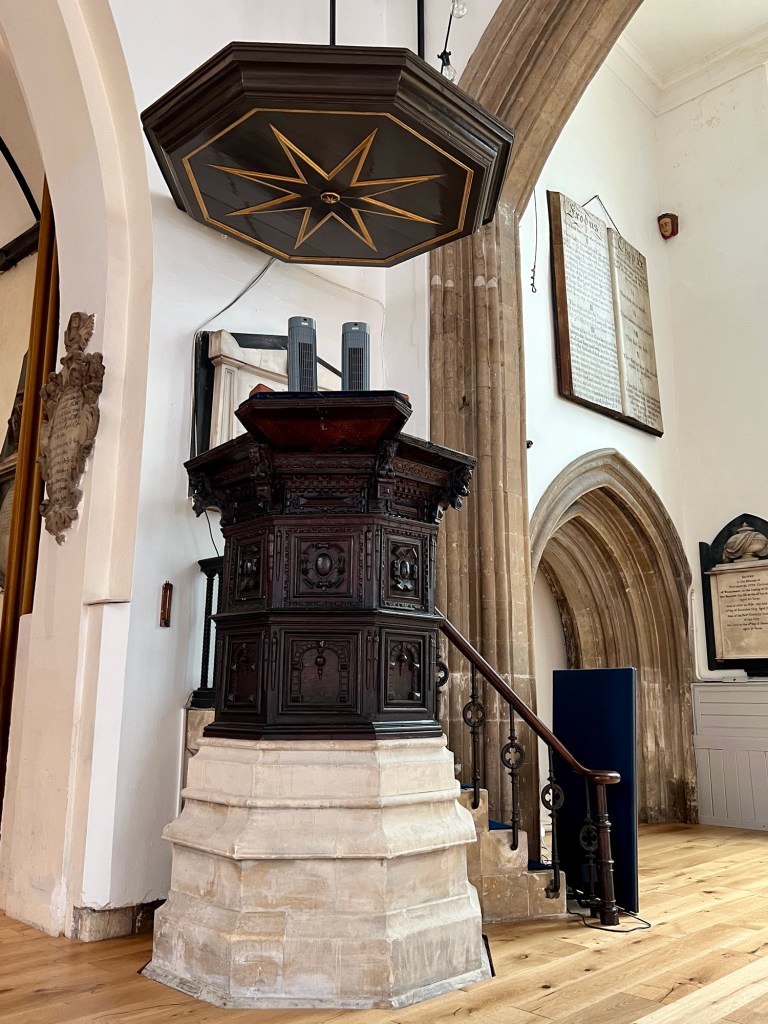
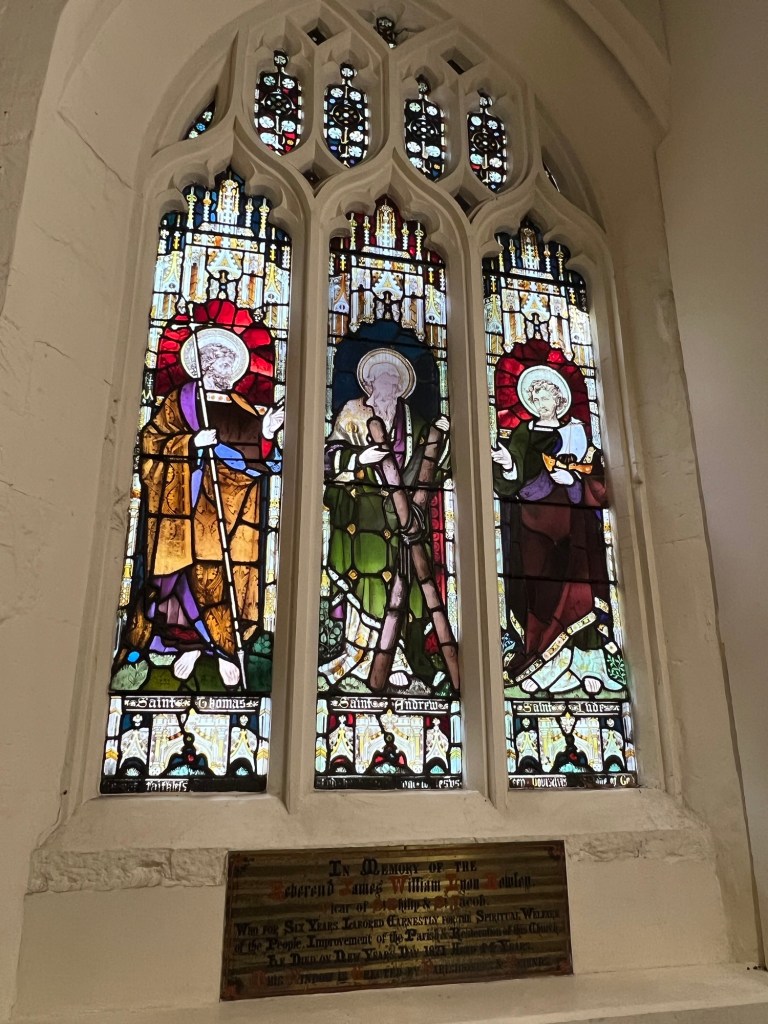
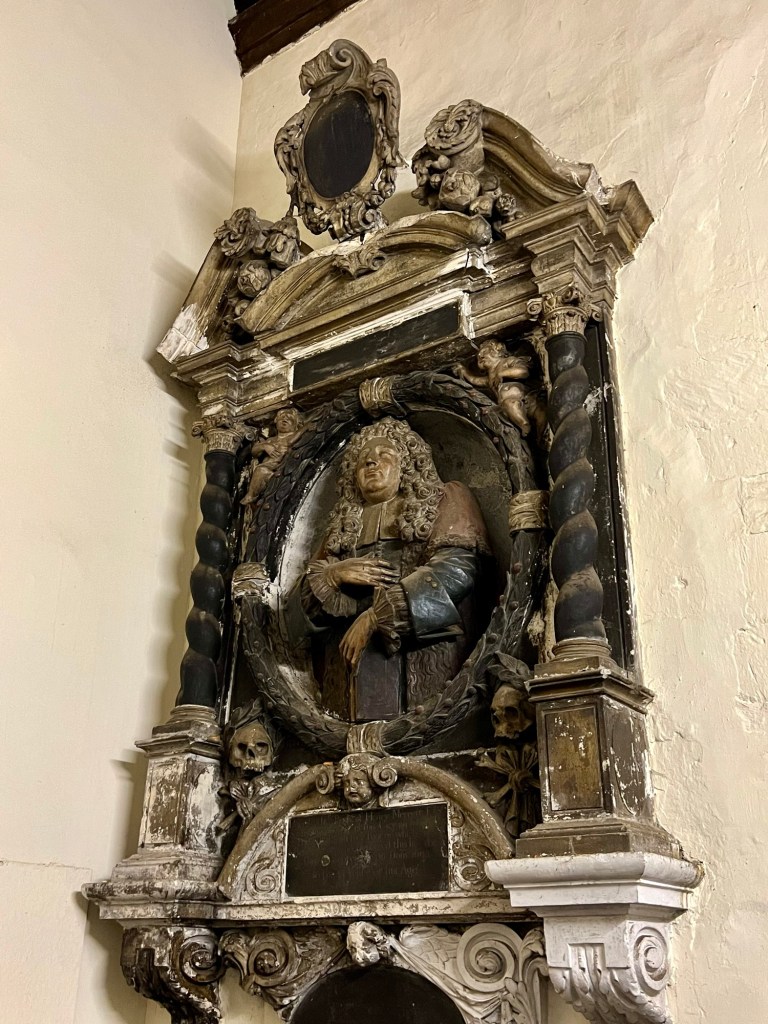

According to the 1841 Census in England, the Burgesses lived on Jacob Street, which runs along the north side of the church and reappears on the other side of Temple Way (what is now the A4044). In the Census, William (then 45) is listed as a labourer, and the family’s oldest sons — twins George and Joseph (15) — are also employed. Joseph, like his father, is described as a labourer, and George is a “turner’s apprentice”. A “turner” describes someone who operates a lathe machine, suggesting again that the Burgesses were working in industry. Theodore was only five years old at the time of the Census.
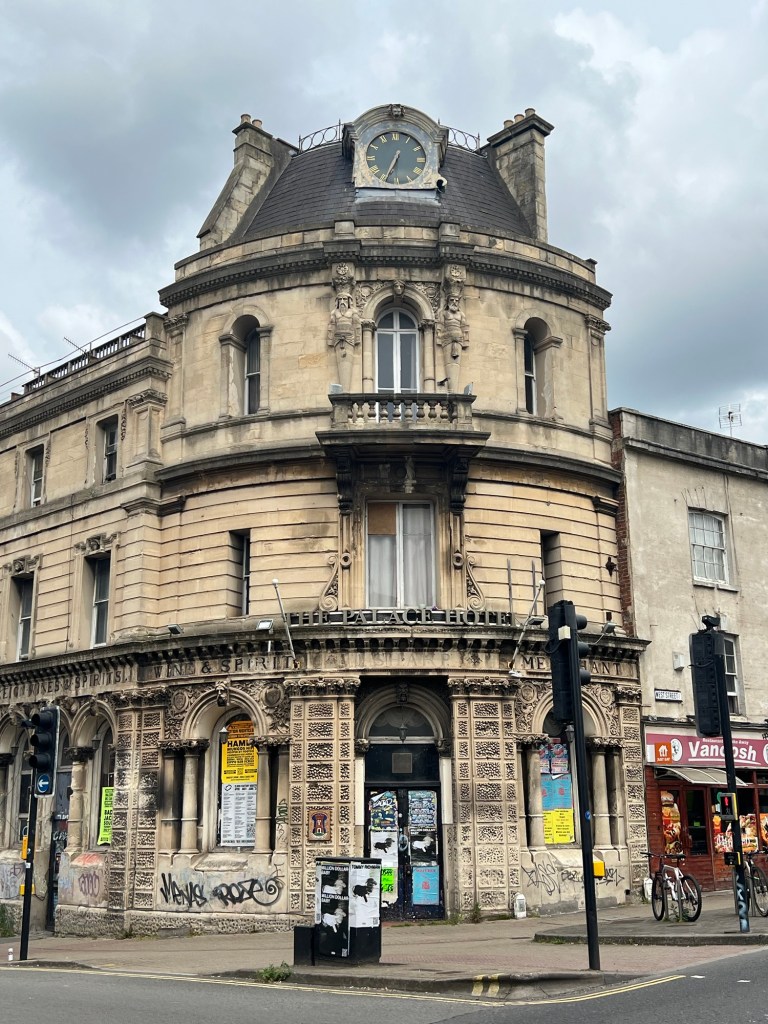

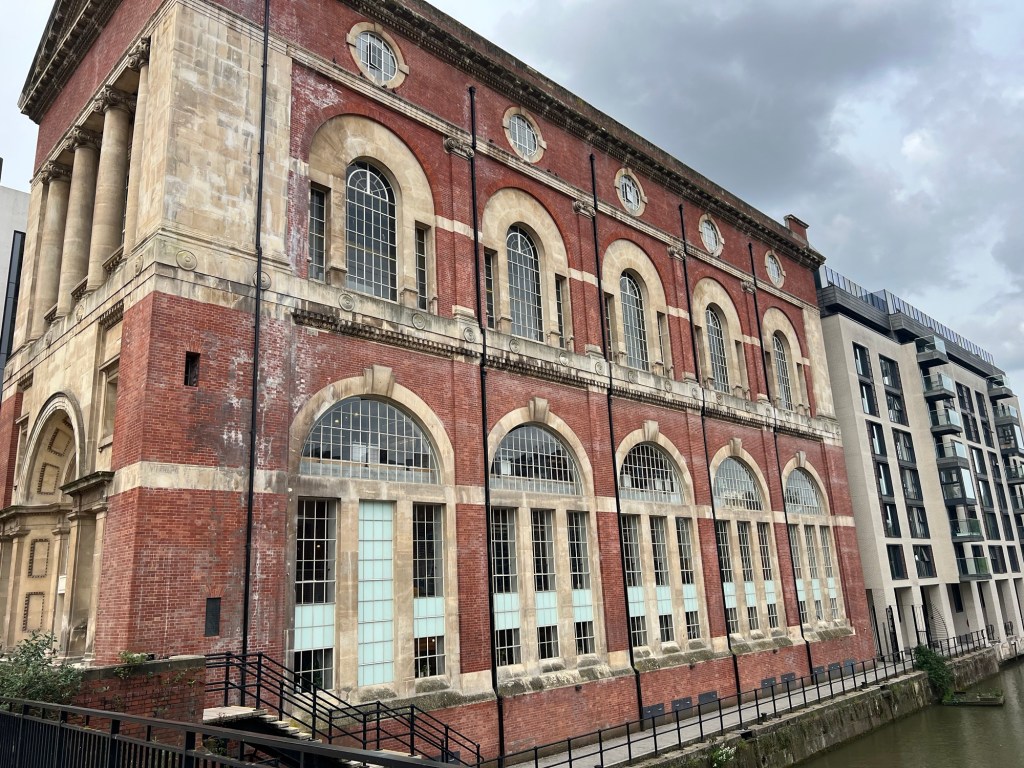
Meanwhile, Theodore’s future wife Clara Fanny Weeks and her family had been living just 15 miles away in the little village of Hinton Charterhouse in Somerset. The family doesn’t appear in the 1841 Census because they were on board the Victoria, headed for Sydney Harbour. Alexander and Harriet Weeks, plus their four young girls Mary Ann, Clara Fanny, Emma Harriet and baby Annie, arrived into Sydney on October 24th of that year. The Weeks family took up residence not far from the Burgesses in the area we would now call Sydney’s “Inner West” (specifically Petersham and later Newtown).
Hinton Charterhouse is located just five miles south of Bath. The church where Clara Fanny and her sisters were baptised, St. John the Baptist, dates from the 12th century. When I visited on Wednesday, I was pleasantly surprised to find the door unlocked, and I was able to wander around.
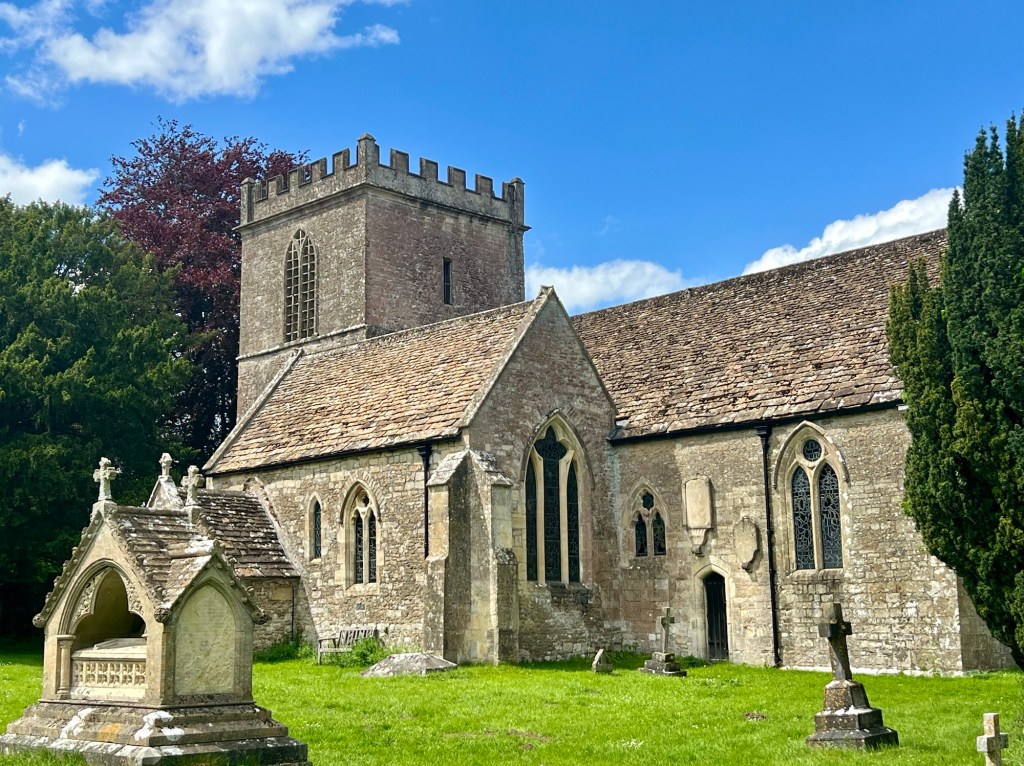
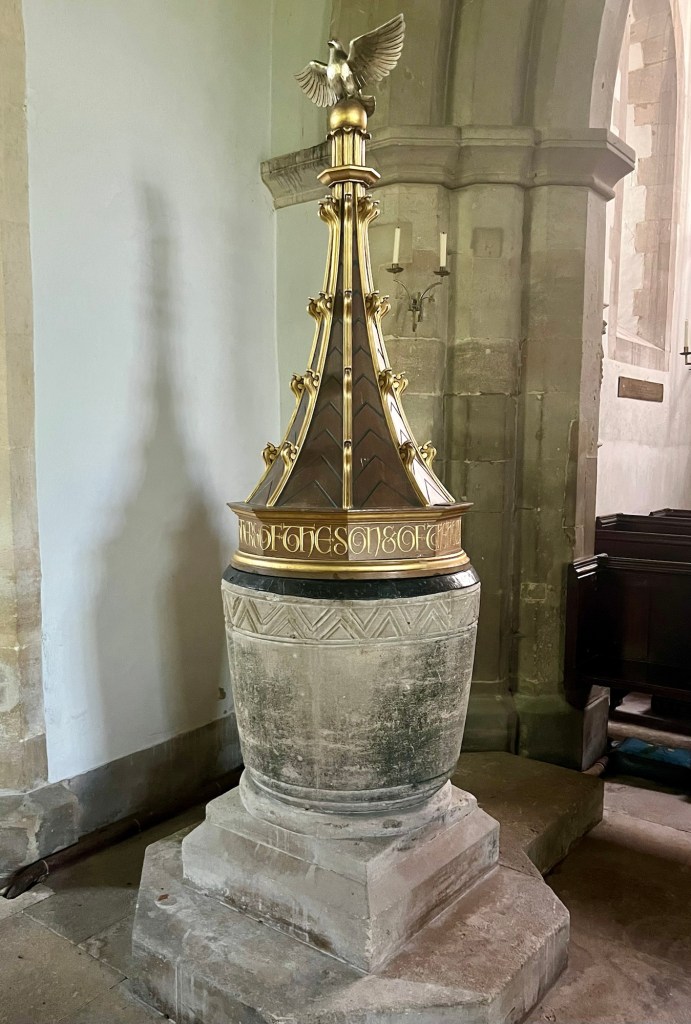
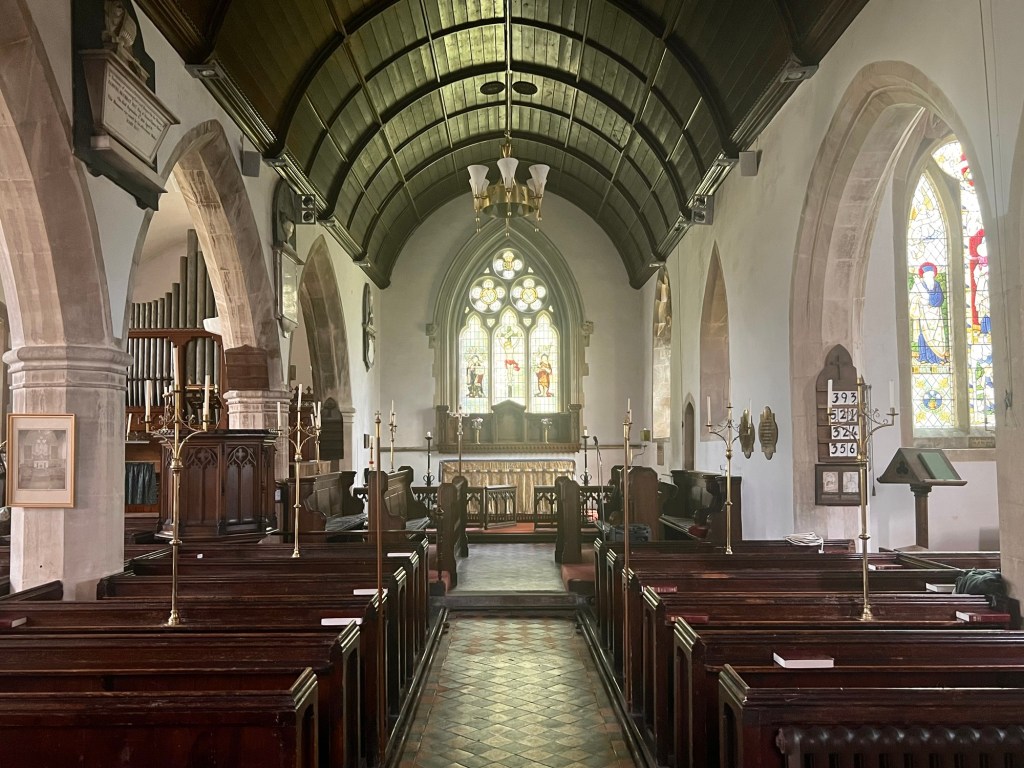
Walking around the churchyard, I didn’t see any graves with the surname Weeks, but I did see several graves with the surname Pearce, which was Harriet Weeks’ maiden name. A church volunteer in his 80s who was tending to some of the graves told me that people with the name Weeks live two villages to the south, in the community of Laverton.
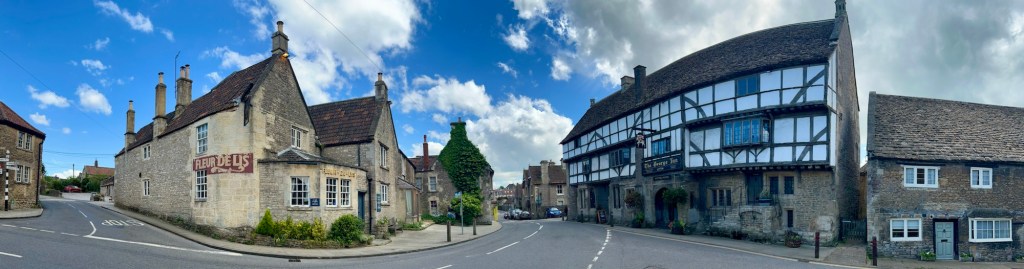
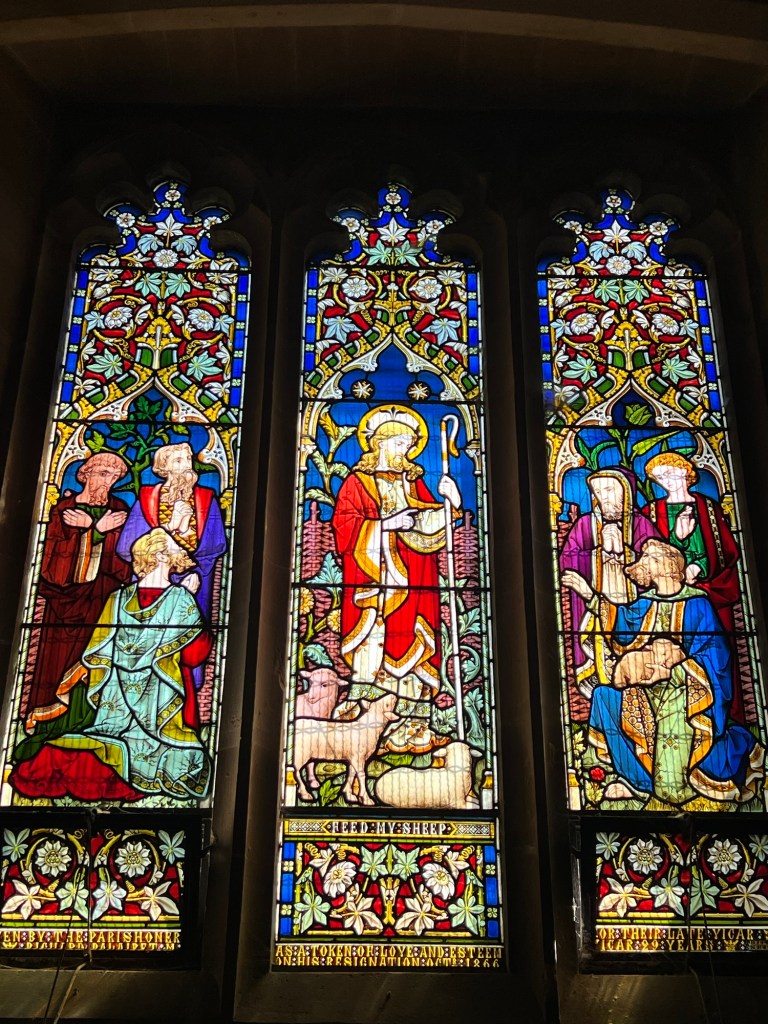
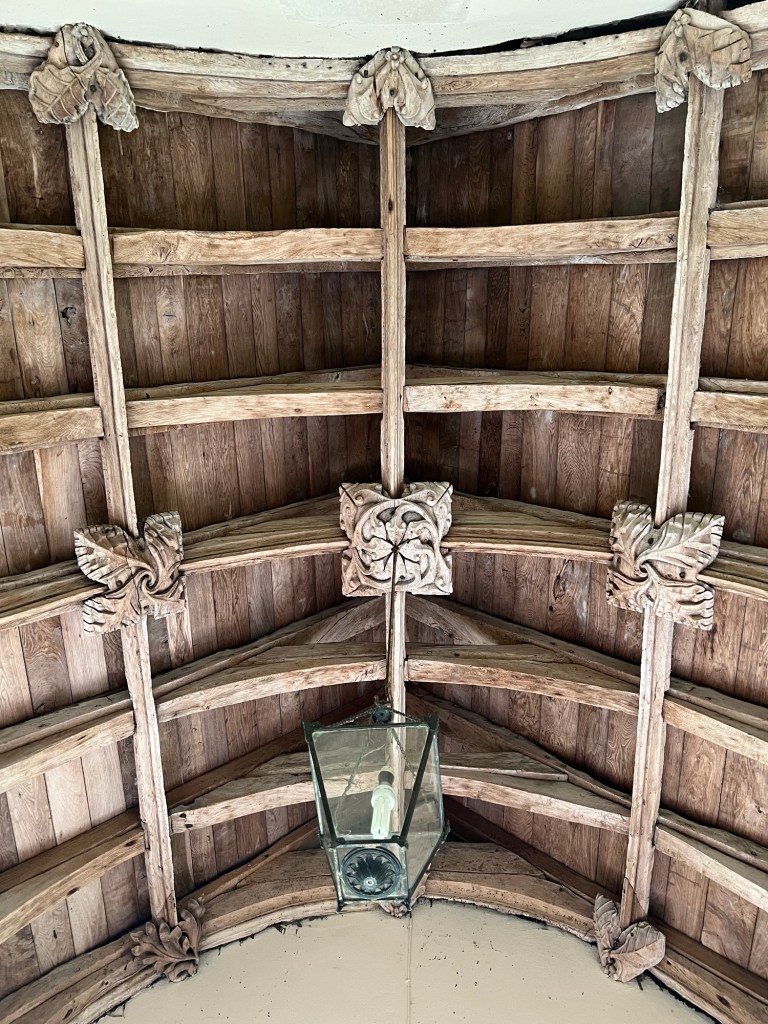
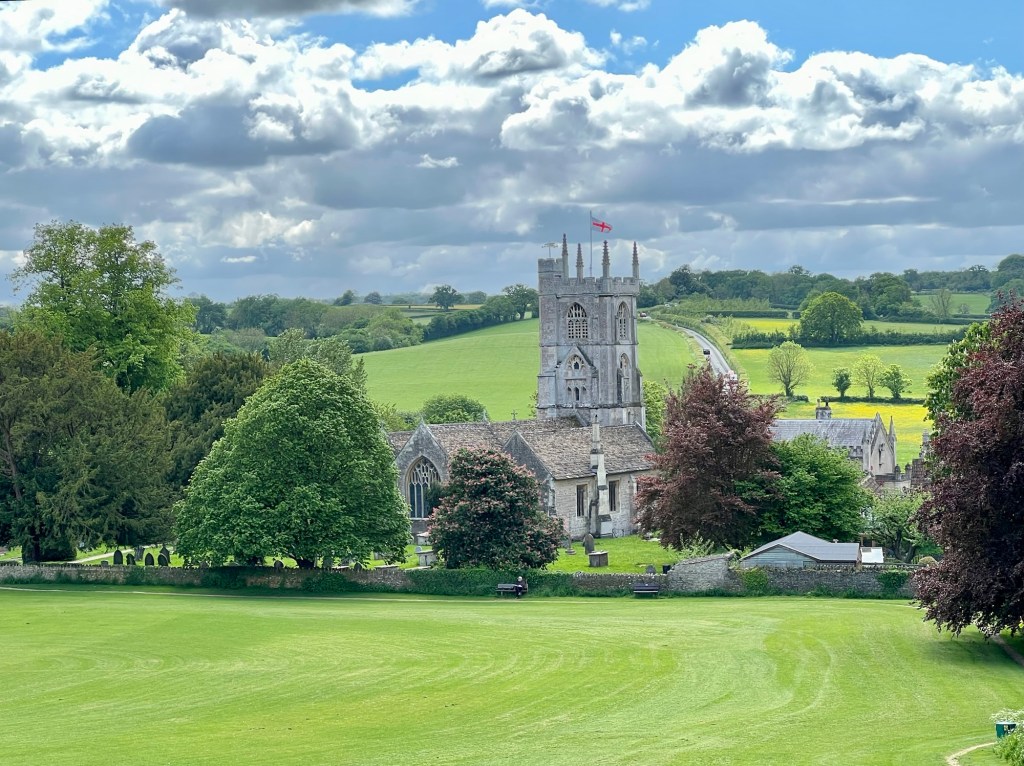
Just one village south of Hinton Charterhouse is the extremely charming Norton Saint Philip. This is the village where Harriet Pearce was born and where she and Alexander Weeks wed in 1828. The church there, the Church of St. Philip and St. James, dates from the 14th century and still includes a number of ancient features.
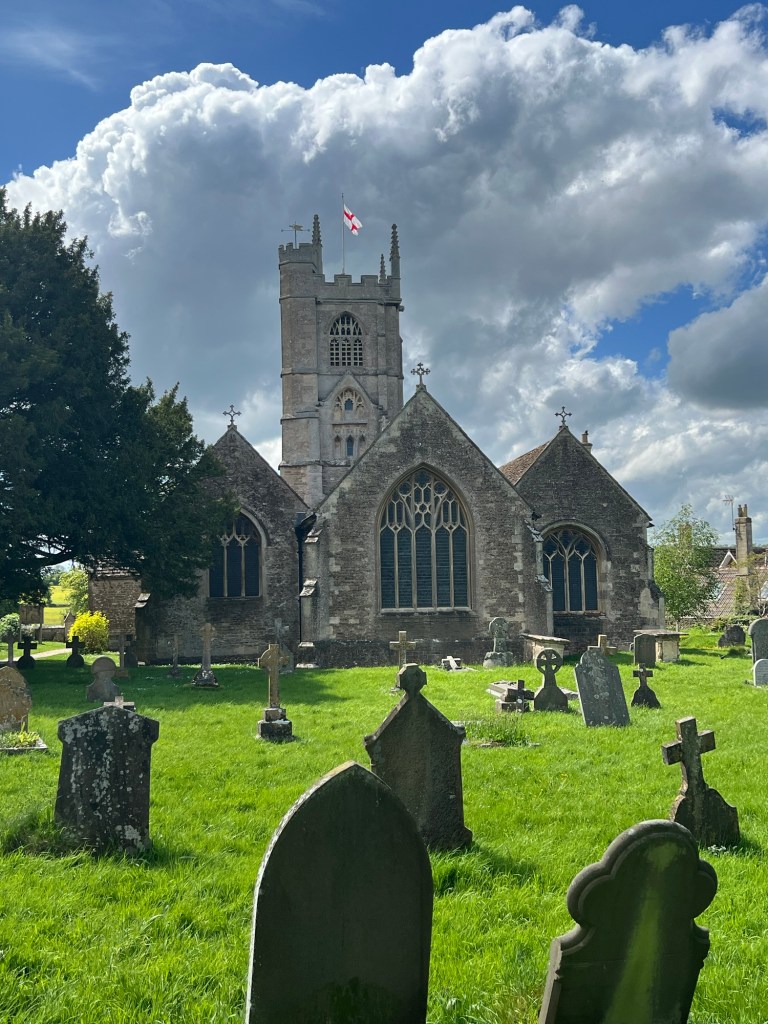

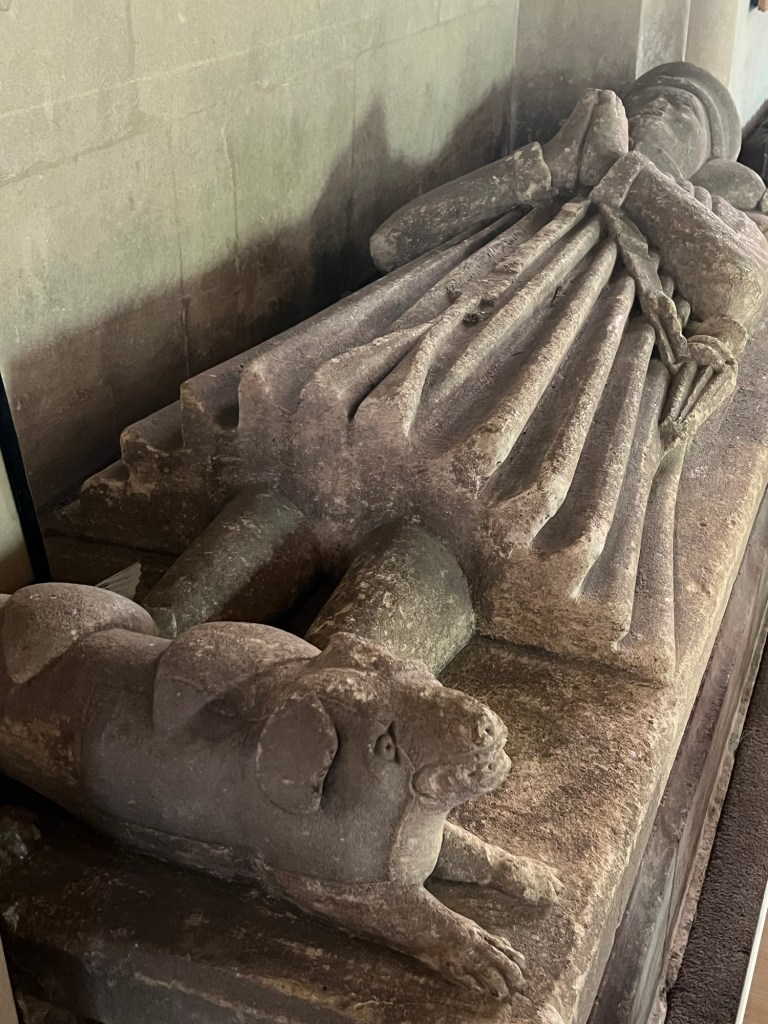
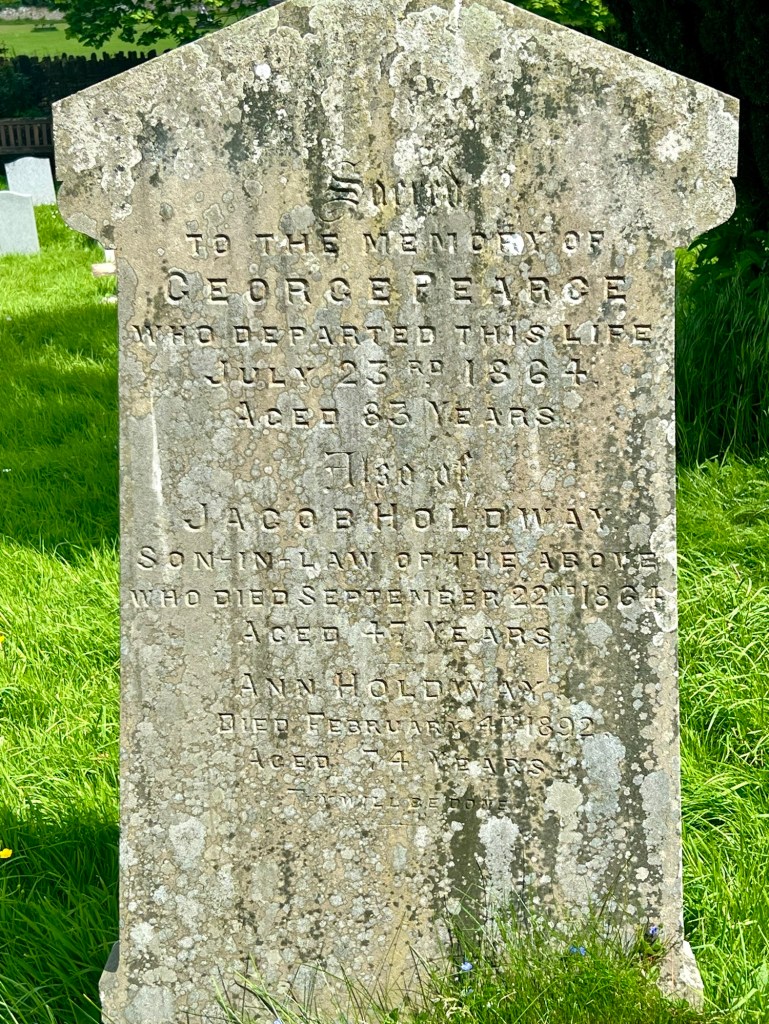
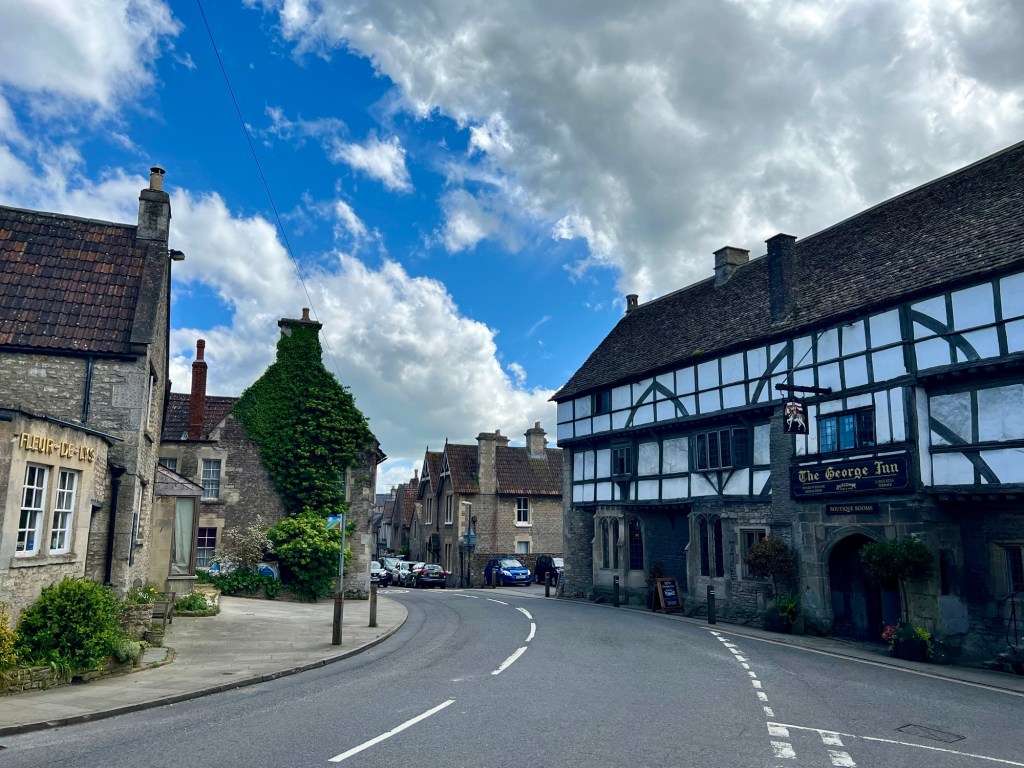
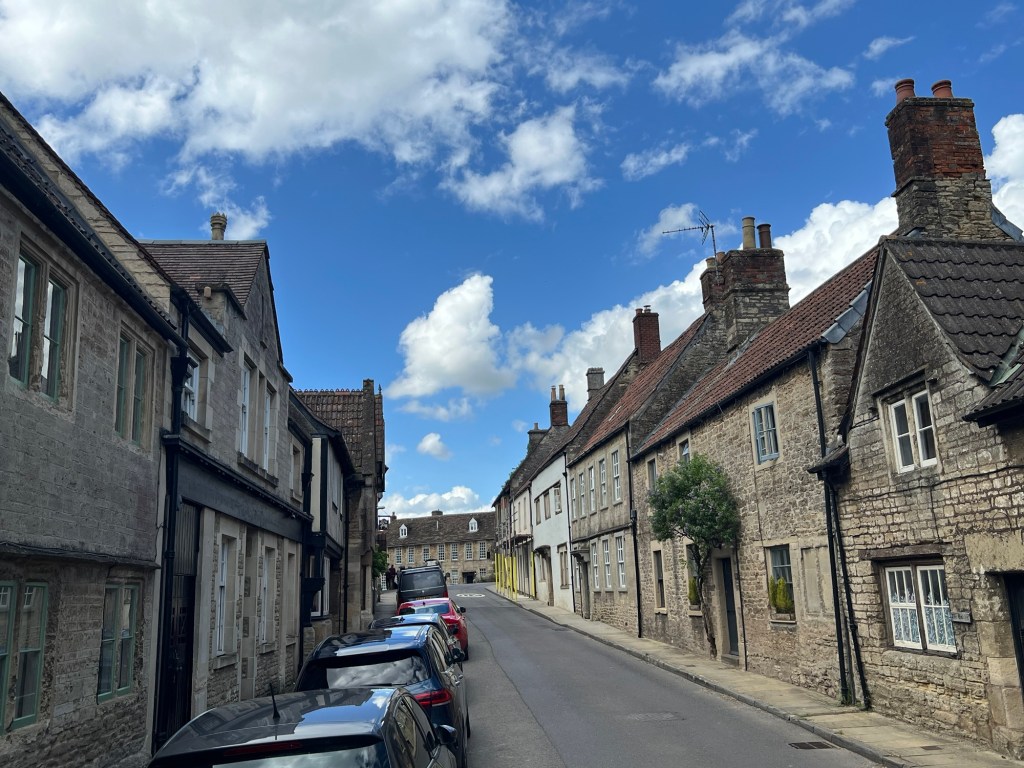
I ended my genealogical adventure on Wednesday with a Bristol-made non-alcoholic beer at the George Inn in Norton Saint Philip. The George Inn claims to be the only tavern in England to continuously serve beer for over 700 years. Whether or not we can verify that claim, I’d like to think the Burgess-Weeks ancestors would approve.


 Deep Roots
Leave a reply to keghansoliz Cancel reply