
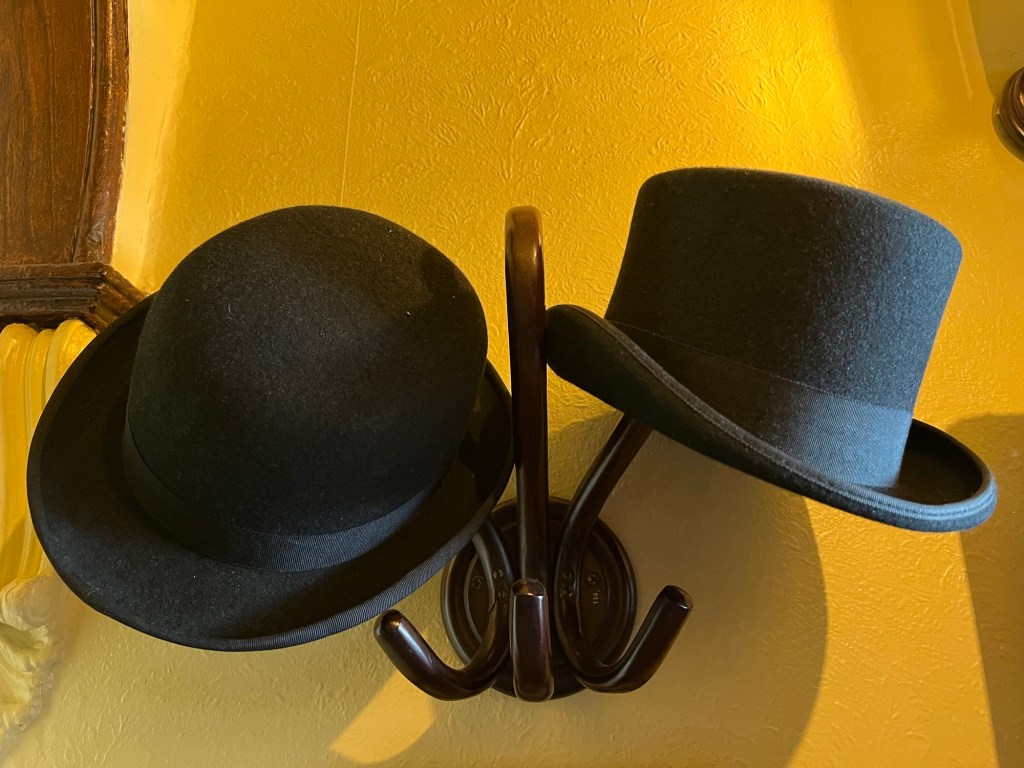
Everywhere I travelled over the past 10 days, I was reminded of the close and abiding ties between Great Britain and my home country. What might have started as a begrudging alliance between mother Britannia and her uncouth, rebellious child blossomed over time into a deep friendship. The progression of this relationship was laid out for me at various points in my journey.
In Worcester, for example, I learned that in 1786 the men who would become the second and third presidents of the United States paid a visit to Fort Royal Hill. The site had played a vital role in the English Civil War over a century earlier (1642-1651), and John Adams declared it “holy ground”, which all the English should visit in pilgrimage annually. Adams successfully negotiated the peace between Britain and her rebellious former colonies.
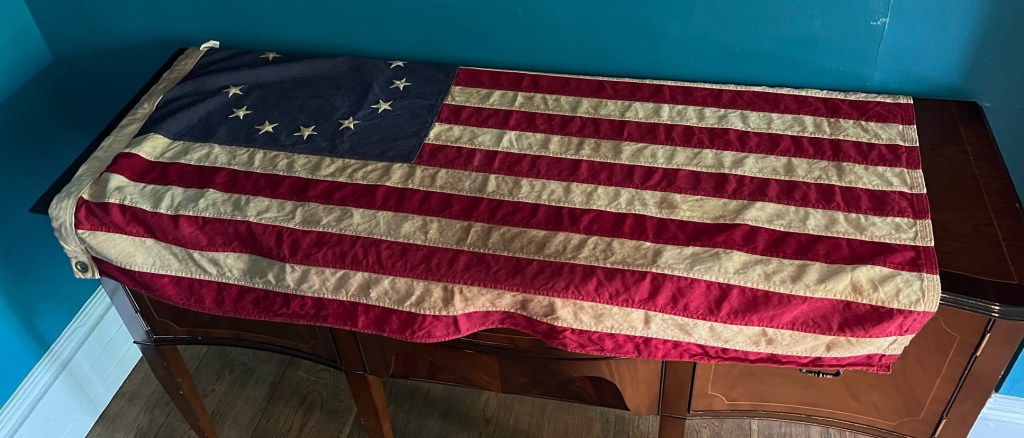
Adams’ travel companion — political rival and presidential successor, Thomas Jefferson — was similarly excited about visiting Worcester. A decade earlier he had penned those famous words “We hold these truths to be self-evident, that all men are created equal…”, words which had been partly inspired by England’s Bill of Rights, authored by Worcester MP John Somers.
For a variety of cultural, linguistic, political and economic reasons, too numerous or obvious to mention here, this relationship strengthened over the decades (aside from a brief hiccup at the Canadian border during the War of 1812). One of the drivers of this bond has been the migration of British citizens to the United States.

According to one source, over 4.5 million people emigrated from Great Britain to the U.S. between 1820 and 1957, and I’d wager that well over half of all Americans have some British ancestry. I am aware of at least six of my direct ancestors who emigrated from England between 1845 and 1855, and I had the privilege of retracing some of their footsteps on this trip (for example, see this post and this post).
People, goods, and culture have flowed the other way, too, of course. And on multiple occasions in my travels, I was reminded of how ex-pat Americans have made their mark on Britain, from T.S. Elliot to Madonna. One of the first Americans to travel east across the Atlantic was the daughter of a Powhatan chief in Virginia. She made landfall close to the Mayflower Steps (pictured above) in the year 1616. She was called Amonute in her youth and later Rebecca Rolfe after her captors “encouraged” her to convert to Christianity. We know her as Pocahontas. She died just a year after arriving in England.
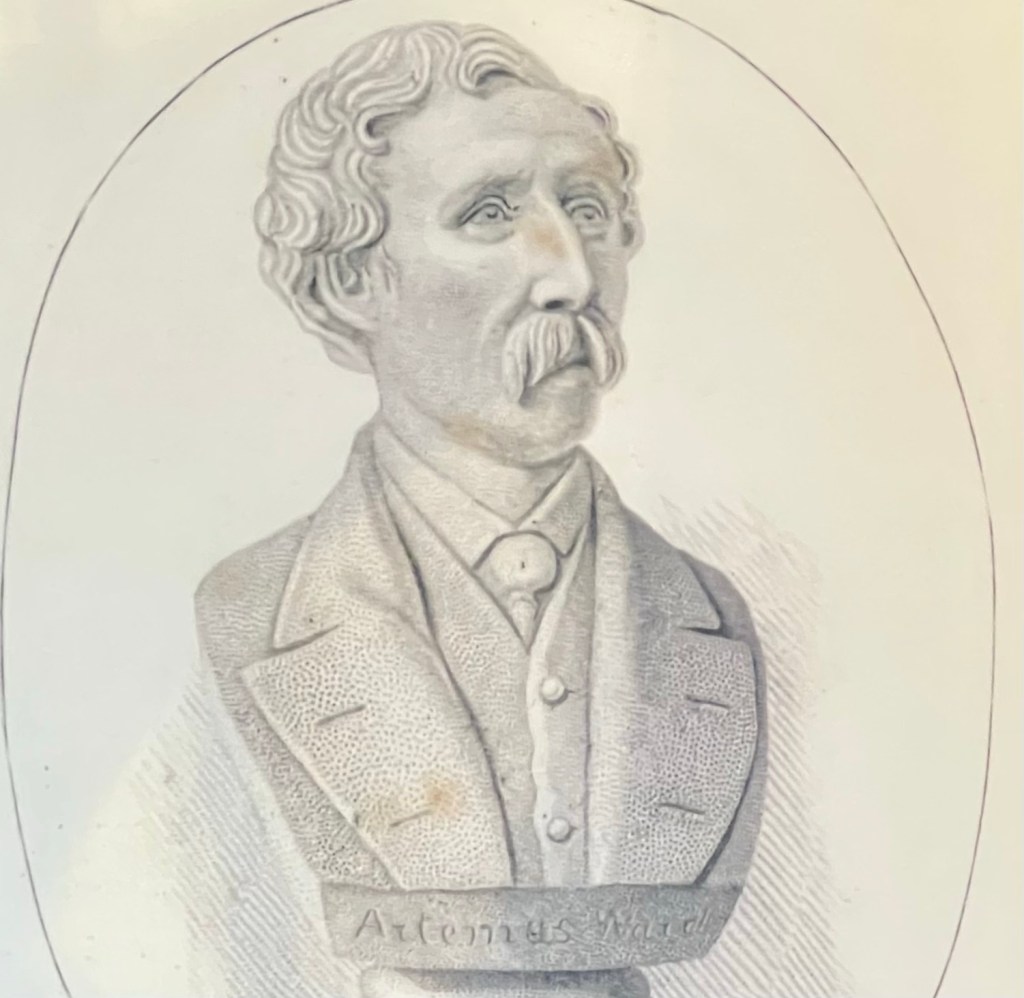
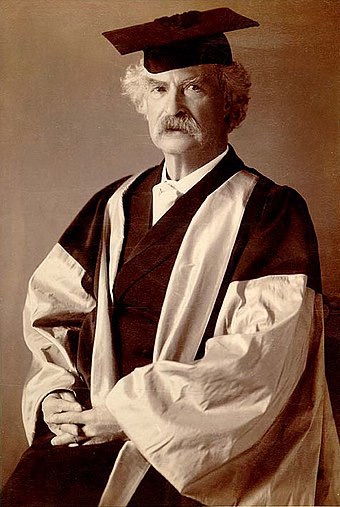
Two of America’s major humorists of the 19th century, Mark Twain and Charles F. Browne (aka Artemus Ward), spent time in Britain. Browne was so inspired by an 1866 visit to the Tower of London that he included it in one of his stories. Sadly, Browne fell ill and never made it home. Twain made several extended visits to England and became a beloved figure in London.
It’s hard to separate the friendship of nations from the friendships of their leaders. This point was brought home to me during a visit to the Churchill War Rooms in London. The Allies’ success in the Second World War was due in part to the strong, personal relationship between Winston Churchill and Franklin D. Roosevelt.
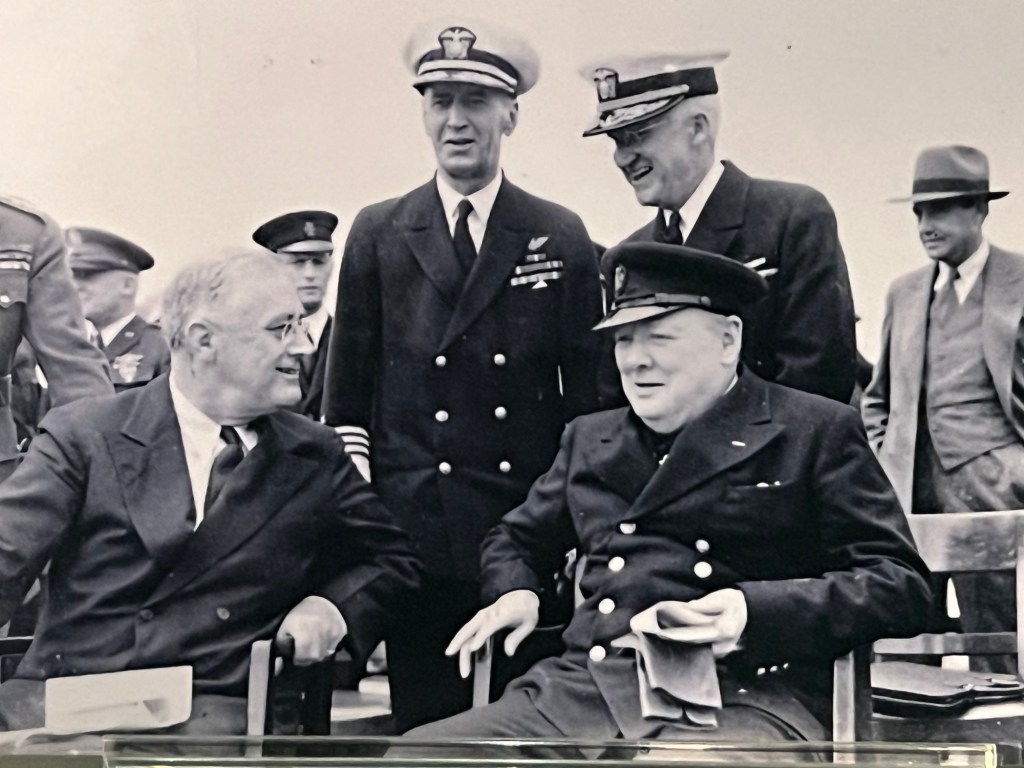
World War II was a bonding experience for ordinary Americans and Brits too, as over 2 million Americans passed through or were stationed in Britain during the final four years of the war. As I have written elsewhere (see this post), my maternal grandpa was one of those 2+ million. Visiting some of the spots where he was posted in England made me feel more connected both to him and to the country where he lived in the first half of 1944.
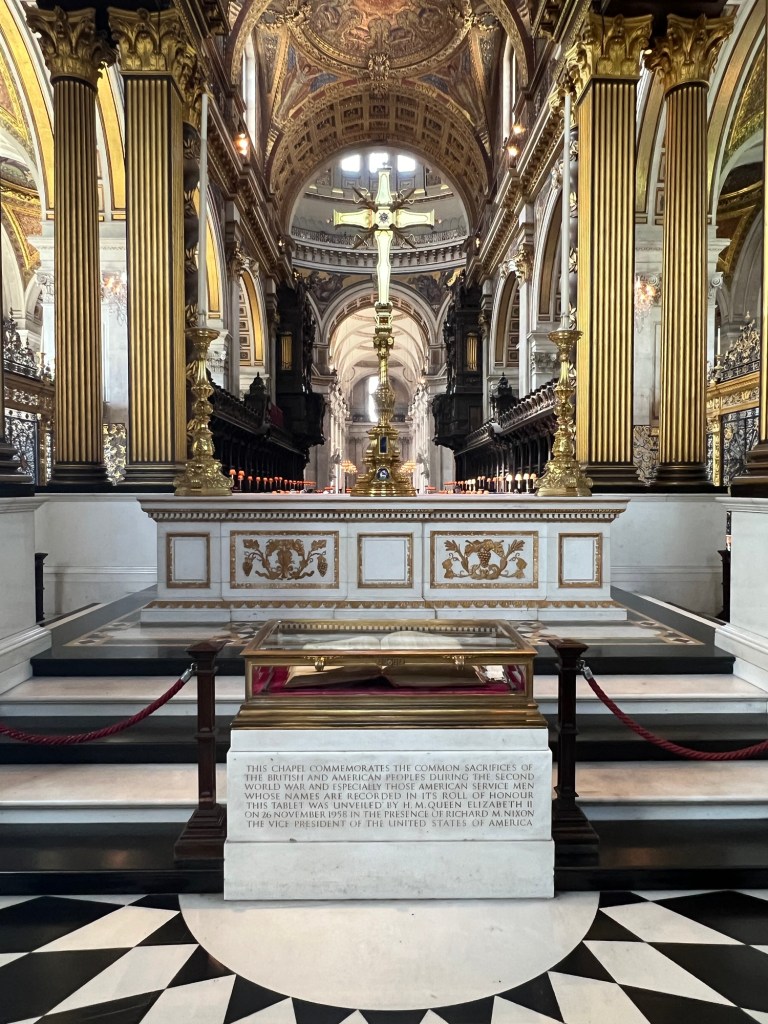
Stepping into St. Paul’s Cathedral yesterday, I was deeply moved to discover that there’s a chapel in one of the most prominent places in the sanctuary — directly behind the high altar — which “commemorates the common sacrifices of the British and American peoples during the Second World War and especially those American service men whose names are recorded in its roll of honour.”
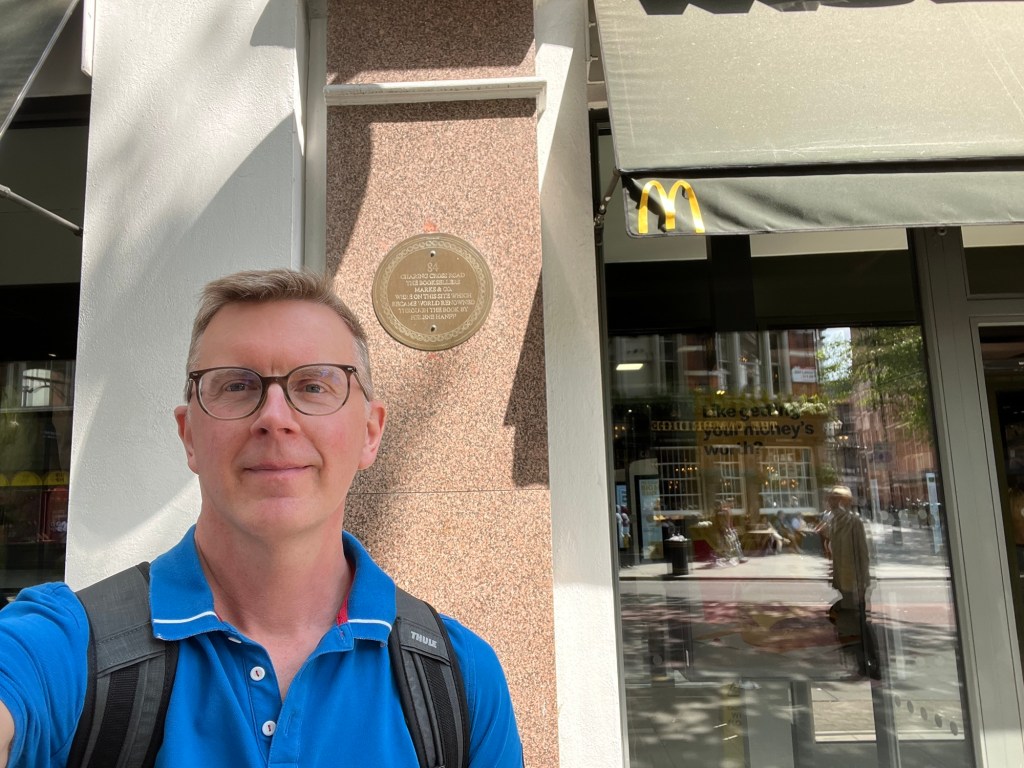
One of the most endearing transatlantic friendships is captured in the letters between New York bibliophile Helene Hanff and London bookseller Frank Doel. Twenty years ago, my partner’s parents gifted me a copy of those letters, collected in Hanff’s 84 Charing Cross Road, and it quickly became a favorite of mine. I made a pilgrimage to the address from which Hanff was procuring her out-of-print books, only to find that a McDonald’s now stands in place of Marks & Co. bookshop. Ugh! The existence of a commemorative plaque takes away some of the sting.

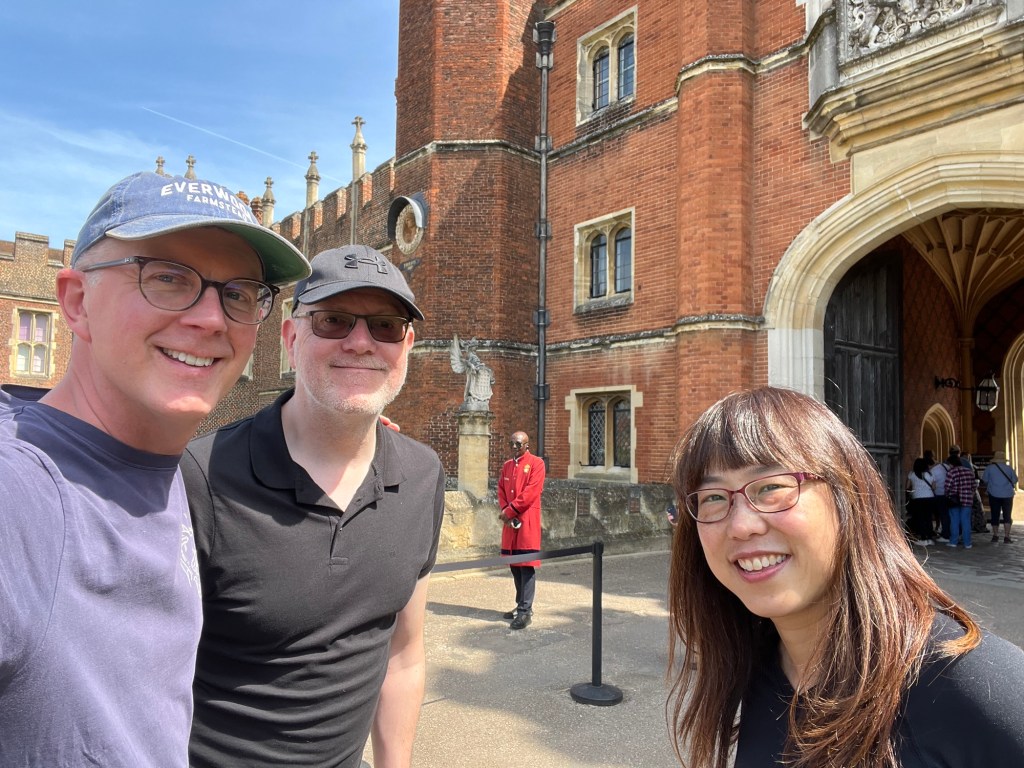
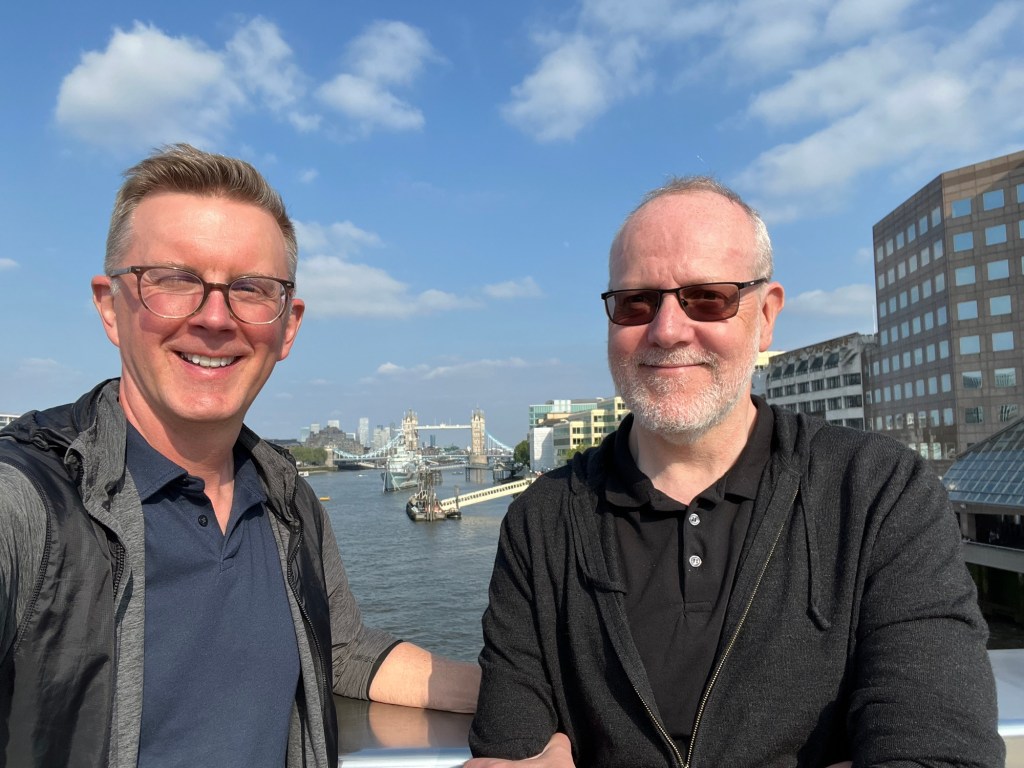
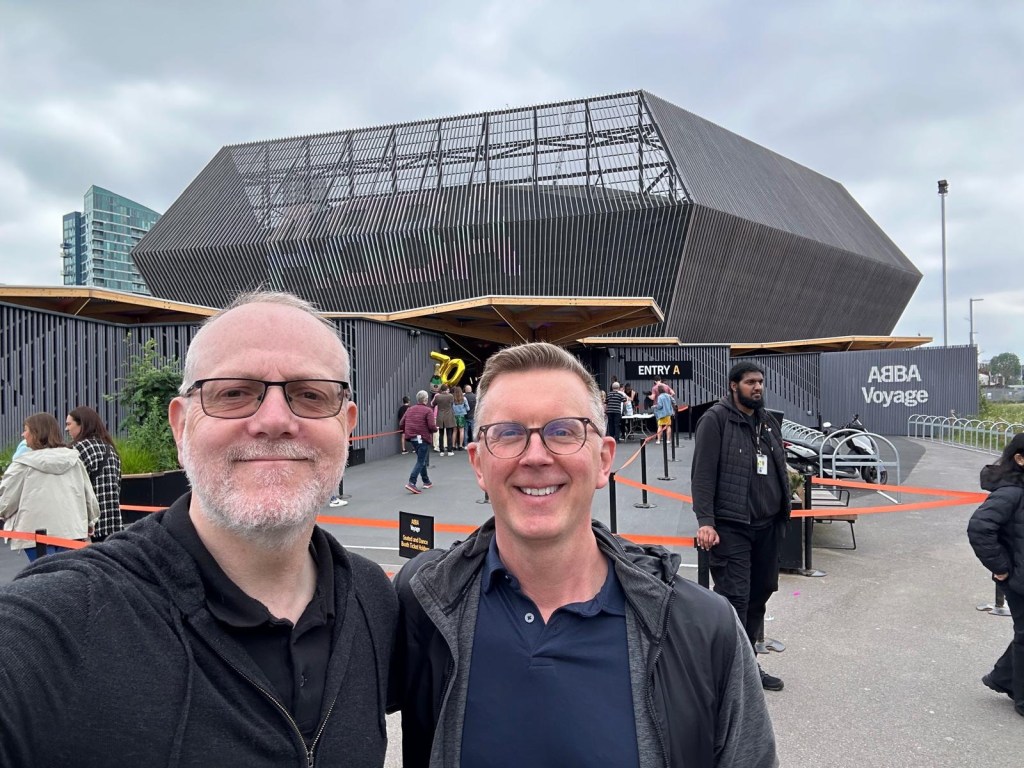
And on a personal note, one of the best things to come of this journey was the opportunity to rekindle friendships with two of my old classmates from Kanazawa University, David and Sim. They opened their home to me, allowed me to make it a base for my adventures, and gave me personal tours of their beautiful city. They also spoiled me rotten with fantastic homemade meals, bottomless cups of coffee and tea, and my first taste of sticky toffee pudding. I hope that one day I can give them the same royal treatment on the other side of the pond.









 Deep Roots
Leave a reply to Jesse Rude Cancel reply