The year is 1850, and in a small village perched at the end of a fjord in Western Norway, a young servant hurries through her tasks. Malene has no education and very little savings, but for the first time in her life she is hopeful. Earlier that year a young man named Ole had come to the village from Bergen, looking for work. He didn’t find much work, but he found her.
Malene’s mind races ahead to when she can leave her employer’s house and meet him. The clock ticks. Her heartbeat overtakes it. One more hour. She turns abruptly, and in the corner of her eye she notices that she has dislodged a porcelein cup from its shelf.
It falls and she spins back to catch it, but…
The opulent furnishings of the dining room do nothing to muffle the sound of shattered china. Malene panics. Has anyone heard? There are no footsteps. No one calls out. Gingerly, she removes all the shards from the floorboards, some pieces as thin as grass blades, and places them in a rag.
She moves now, as if in a dream, out of the fine home and into the muddy road. She’s clutching the jumble of porcelain in the folds of her dress. Within a few minutes she’s home and Ole is there, too. Wordlessly, she shows him what she carries.
They stay up for hours, debating how to handle the situation. The plan was to marry at the village church later that summer and set sail for America after the harvest. But neither of them can afford to replace the cup. Attempting to do so would spoil those plans completely. Ole mentions that a ship to New York City would be leaving from Bergen on Wednesday of the following week. What if they were on it? [1]
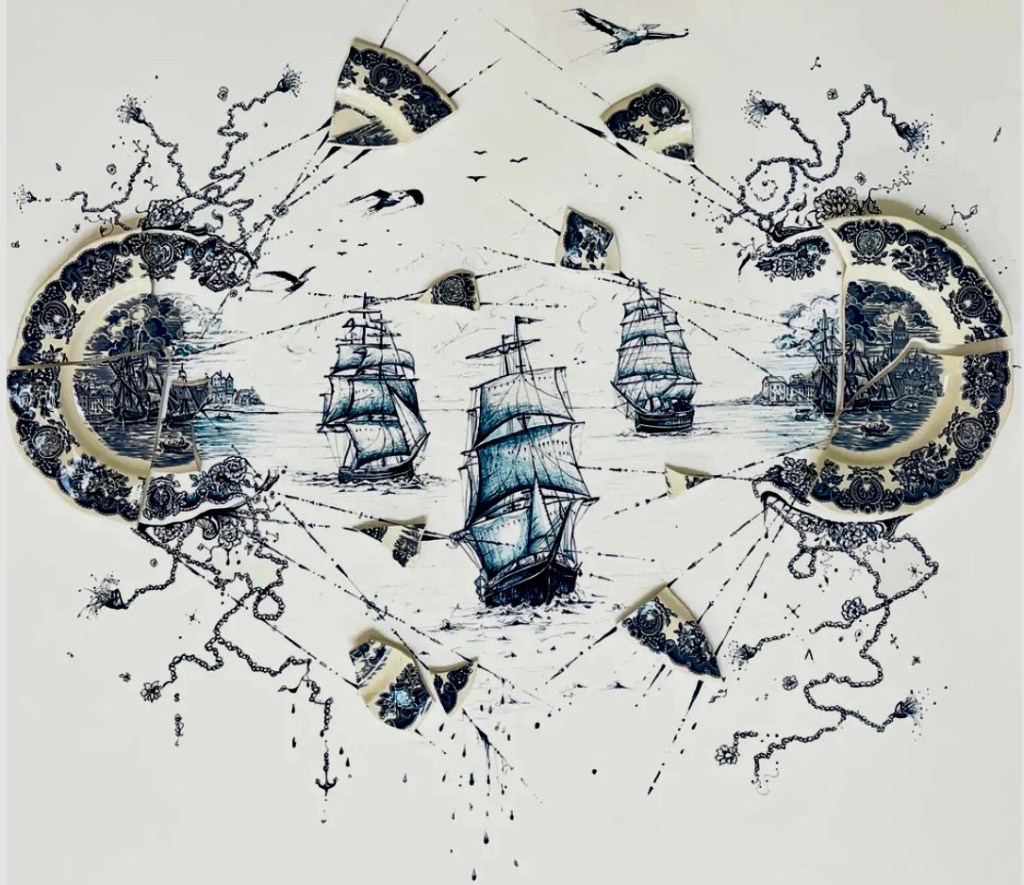
We don’t know if the story about the broken cup is true — and we certainly don’t know if my imaginings above are accurate — but according to the church records for Førde, Malene Olsdatter Bruland was the parish’s first emigrant to America. She left on May 2nd, 1850. Six days later, she and Ole Jensen Hauge boarded the Nordlyset in Bergen and arrived into New York harbor on July 11th.
Malene and Ole were my great-great-great grandparents (paternal grandparents of my great-grandma Jessie Johnson Reiner).
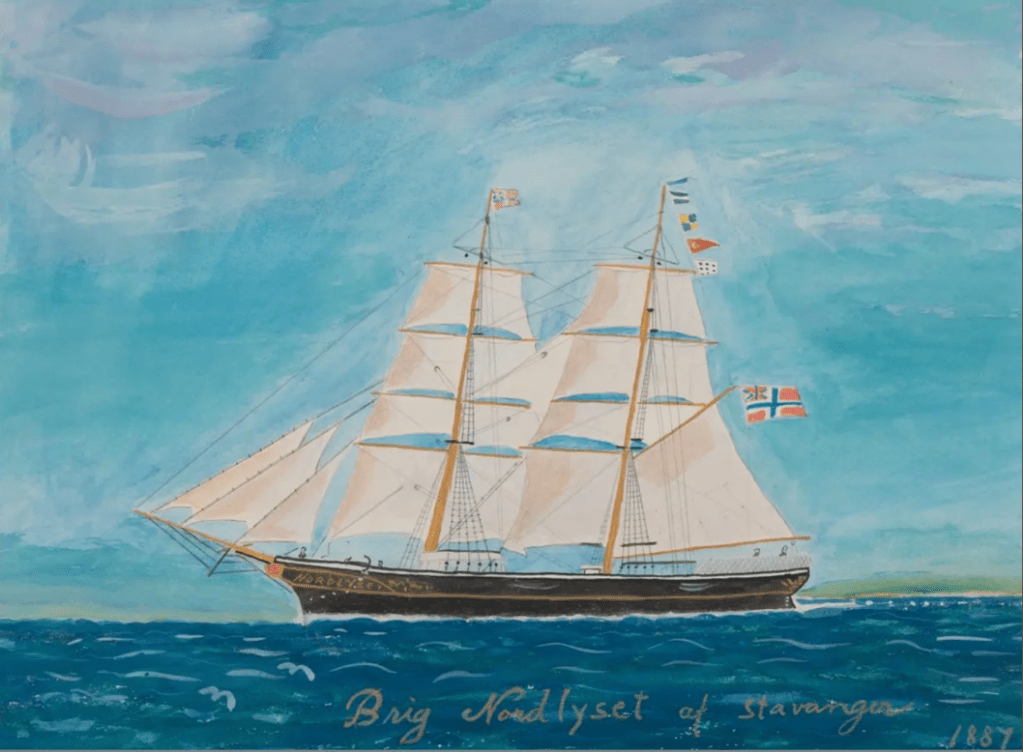

Local historian Stig Årdal discovered Malene’s out-migration entry in the church records and traced Malene and Ole’s journey to Wisconsin. In an article (see photo above), Årdal noted that Ole married a woman by the name of Susanna Strand in 1867, and he hypothesized that Malene had died prior to this.
Mr. Årdal was correct. We know that Malene, who went by Malinda in the U.S., passed away in 1865 at only 41 years of age, leaving behind a grieving husband and four children. Her grave lies next to that of Ole and Ole’s second wife at Hauge Cemetery near Deerfield, Wisconsin.
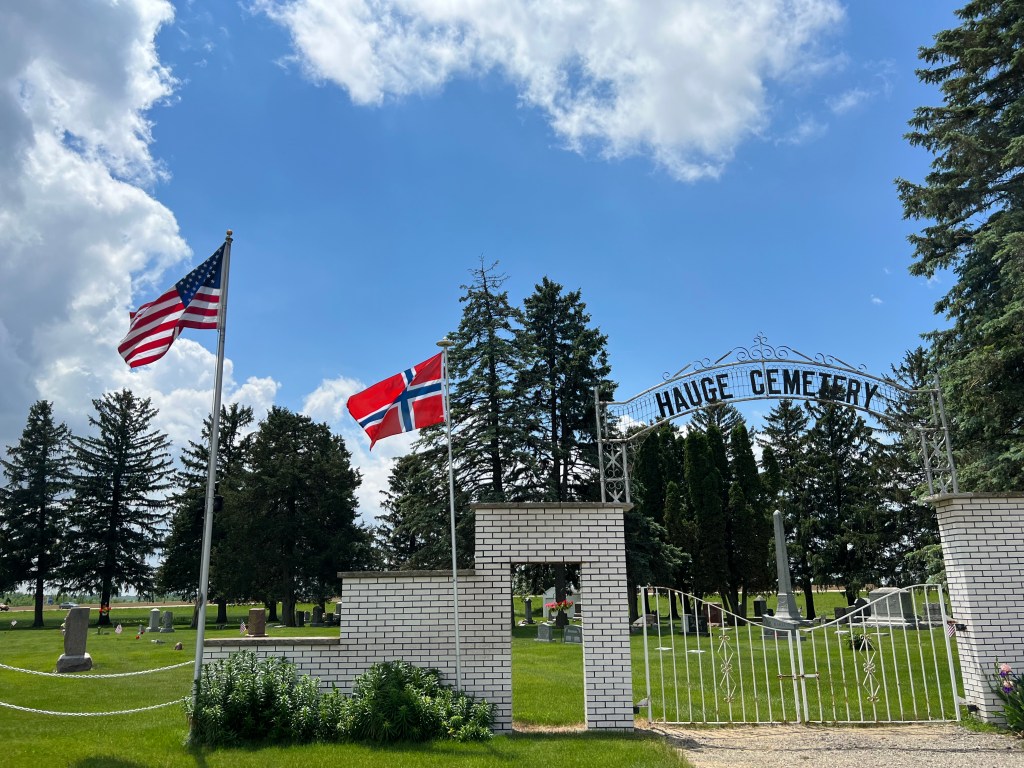
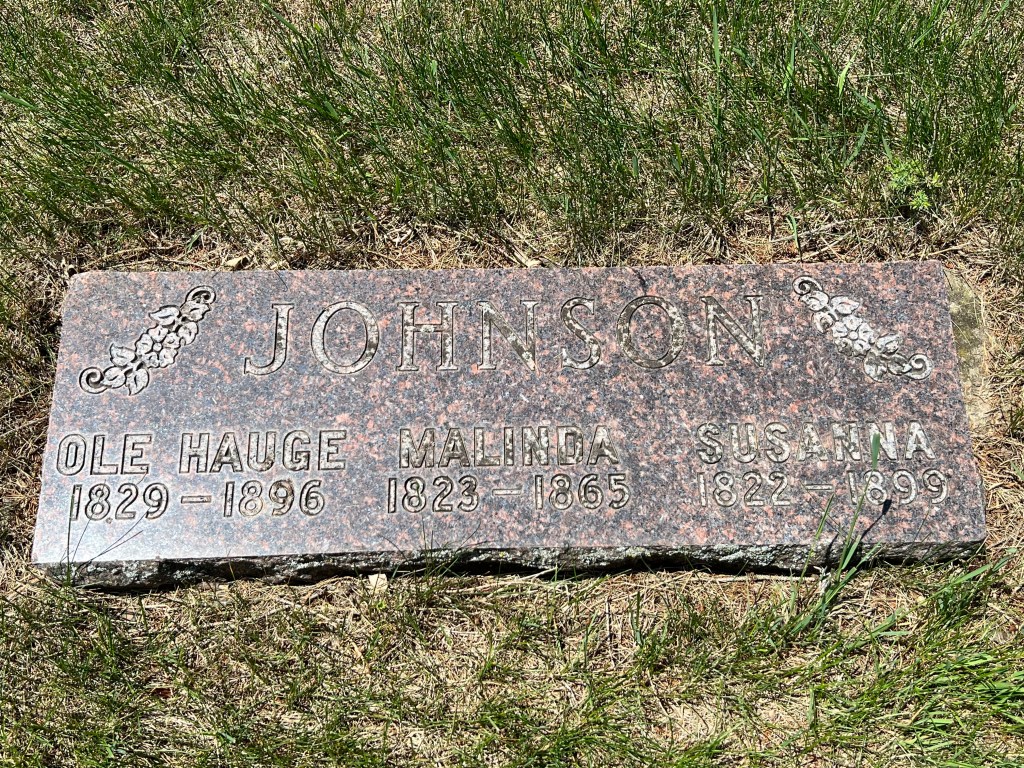
Because she died at a young age and Ole remarried, little information about Malene was passed down in the family. We’re left only with the story about the broken cup — and with bits and pieces from the historical record. But even these scraps were hard won.[2]
* * *
I’ve traveled to Førde to see the place that Malene left behind so quickly, and to try to understand what her life was like in this place many years ago.
Prior to coming here, I reached out to an online group of local history enthusiasts, and I was extremely grateful to receive some excellent help. A local author, Mr. Vidar Fossen, helped me confirm some of the research I had done using the church books and the Førde bygdebok. But Mr. Fossen went further and pointed out some interesting quandaries in the historical record.
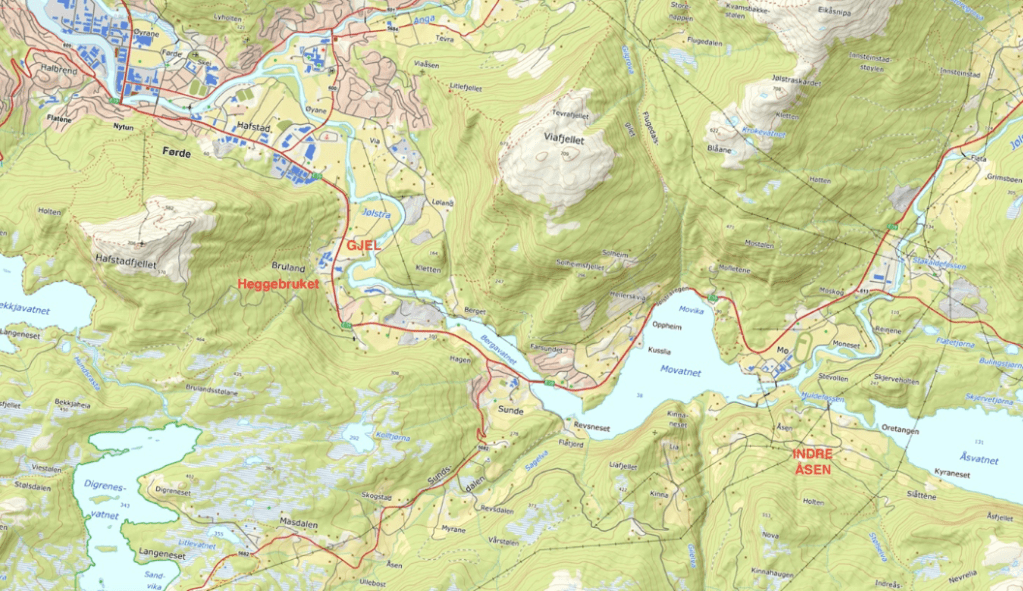
For instance, the bygdebok states that Malene was the only child born to Ole Gundersen Bruland (1771-1847) and Kirsti Andersdatter Åsane (1792-1851). But there is very little information about Malene’s father Ole Gundersen. In the 1824 marriage record for Kirsti and Ole, the church book states that Ole’s father’s name is Gunder Olsen. But Fossen believes that the priest may have written this in error. The bygdebok indicates that Malene’s family lived on a farmstead (bruk) within Bruland called Heggefjellet. In this same area there’s a farmstead Heggebruket run by Jakob Gundersen, who was a son of Gunder Rasmussen from Gjel. Fossen thinks Malene’s father Ole may have been another son of this man. Unfortunately, there is a gap in the church records from this era, and Ole’s 1771 birth falls into this gap, so we can’t know for sure. But another clue that ties Ole to the Gunder Rasmussen family is that one of Malene’s godmothers at her 1824 baptism was the daughter of Jakob Gundersen.
Mr. Fossen notes that Kirsti remarried in 1837 to a man named Matias Nilsen Åsane, but her first husband Ole Gundersen (Malene’s father) was still alive then — he died in 1847. Thus, it may be the case that Kirsti left Ole for Matias, unusual but not impossible for that time.
Fortunately, Kirsti’s origins are easier to trace than her husband’s. Kirsti was born to Anna Madsdatter Svardal (1761-1820) and Anders Olsen Aasen (1733-1791). As that large age gap between her parents suggests, Kirsti was born from her father Anders’s second marriage. She had six older half siblings, in addition to two full brothers.
Kirsti grew up on the Åsane farm — Bruk 5, Indre Åsane, to be precise. Fossen tells me that Indre Åsane was not farmed by my family members after 1847, but the descendants of Kirsti’s siblings and half-siblings are likely to live in the area.
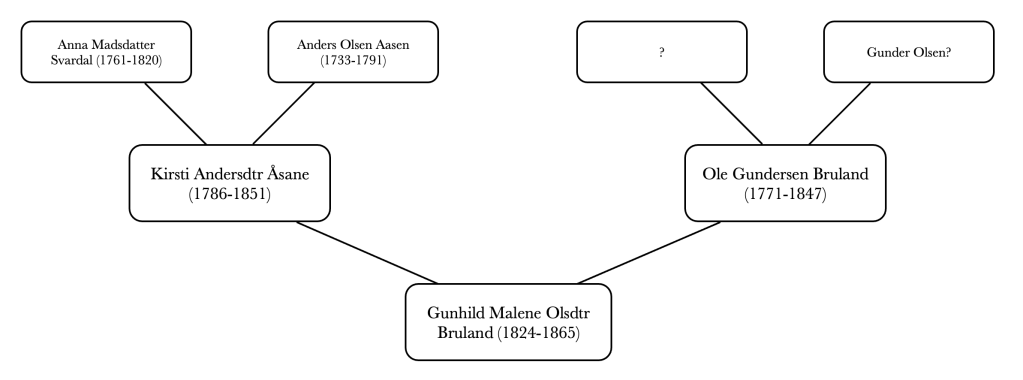
(To understand where this fits in my family tree, see Chart B on this page)
I was unable to meet Mr. Fossen in person and thank him for all of the excellent research he kindly conducted on my behalf, but he put me in touch with three warm-hearted locals, who generously gave up their time today to give me a guided tour of the area. This was no ordinary tour — it was a tour they especially created for me to walk in my great-great-great grandmother’s footsteps. I am overwhelmed by their generosity.
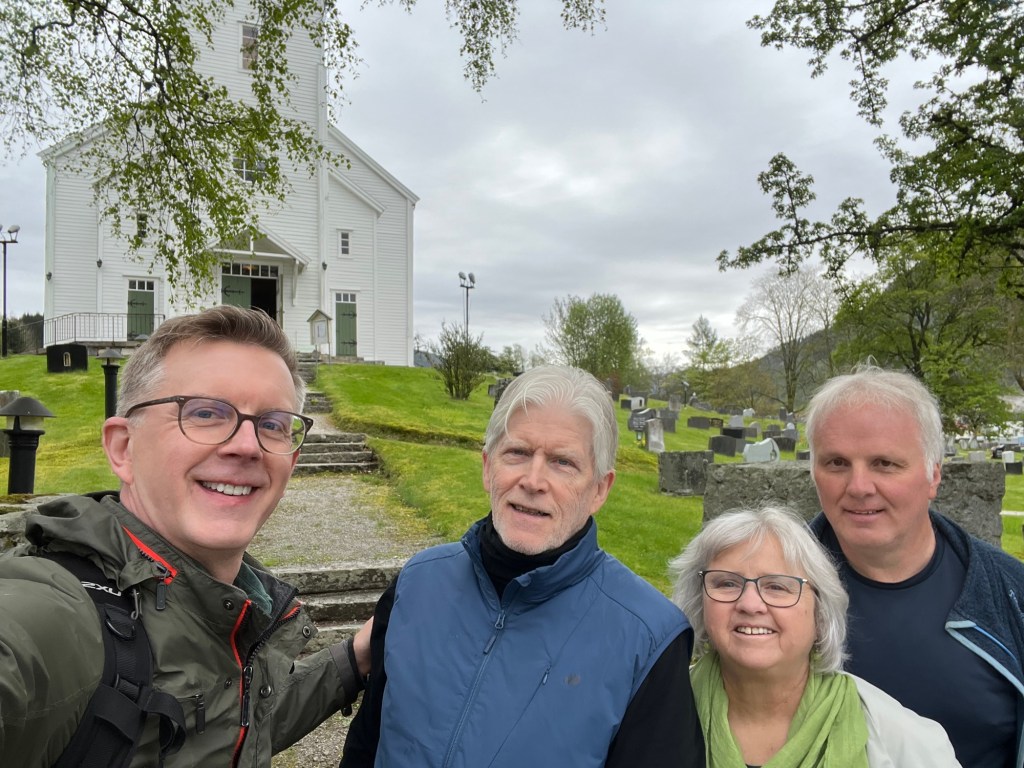
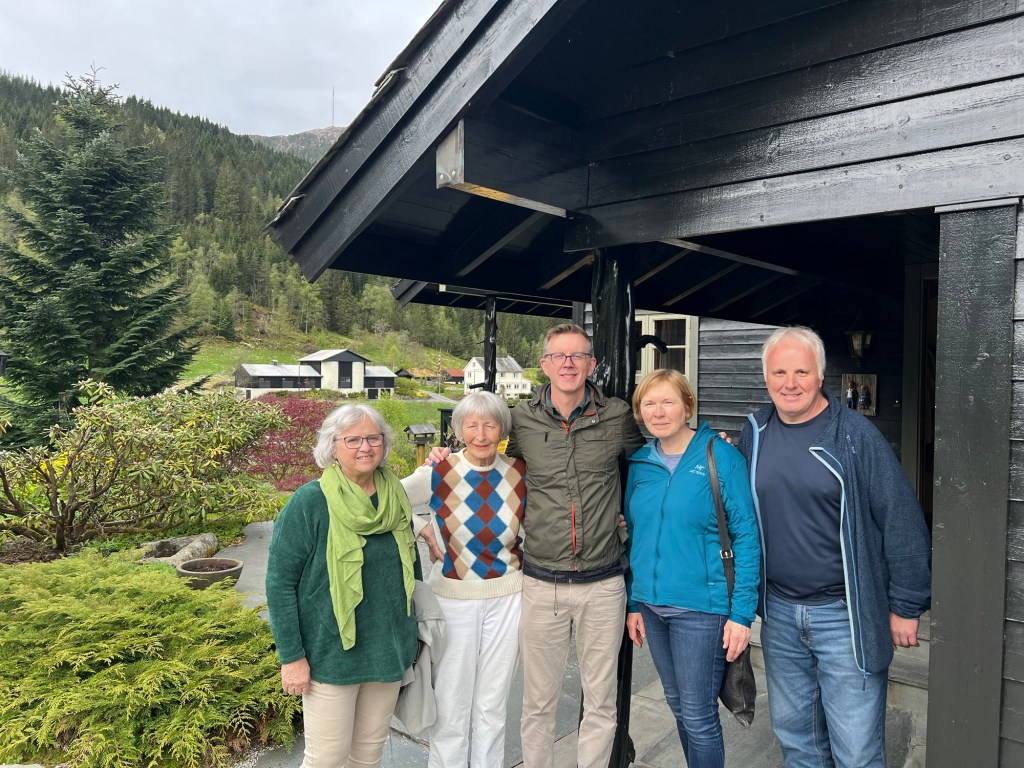
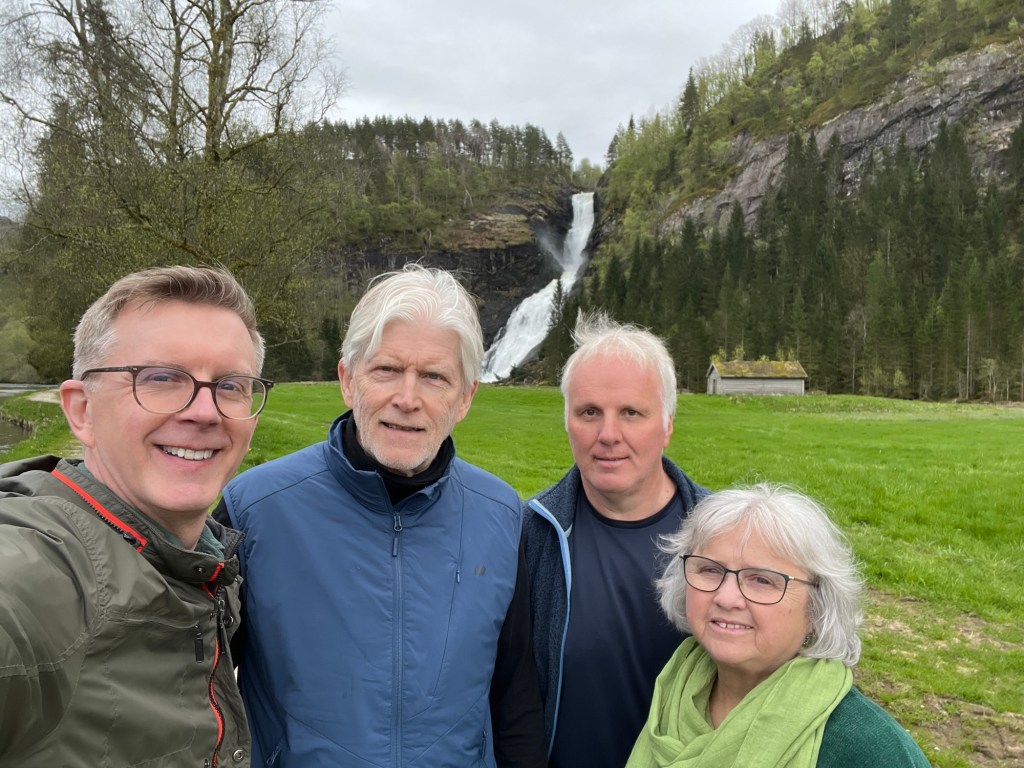
I would like to introduce you to these dear people. They are (from left to right in the photo below): Ove Farsund, Judith Hegrenes, and Erik Olav Hagen. Each one of them has a wealth of local knowledge, but combined, the three of them have an encyclopedic understanding of their community. I felt like they brought me up to speed on what my family has missed here these past 175 years.
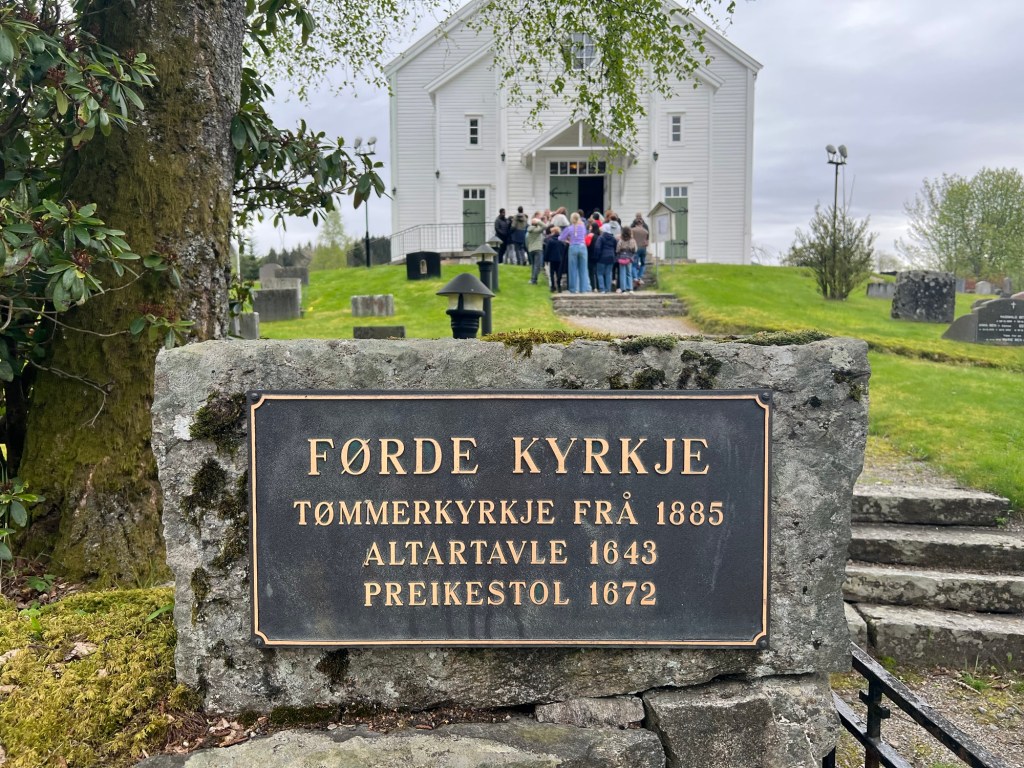
Speaking of 175 years, it was 175 years ago today (May 8th) that my ancestor Malene Olsdatter Bruland sailed from Bergen for America. I had not planned my trip with this date in mind, so when I discovered this fact, I felt like Malene was winking at me from the beyond.
It was actually from the spot below that Malene left Førde. This was the port and the most important transportation hub in Førde in the days before trains, cars and buses.

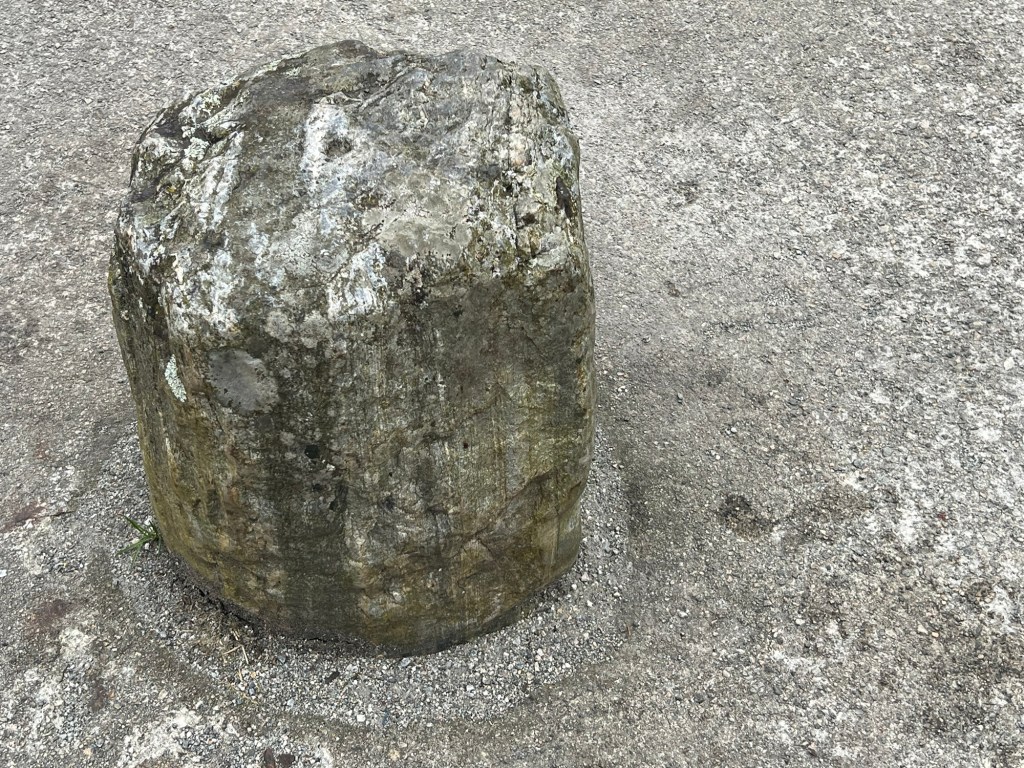

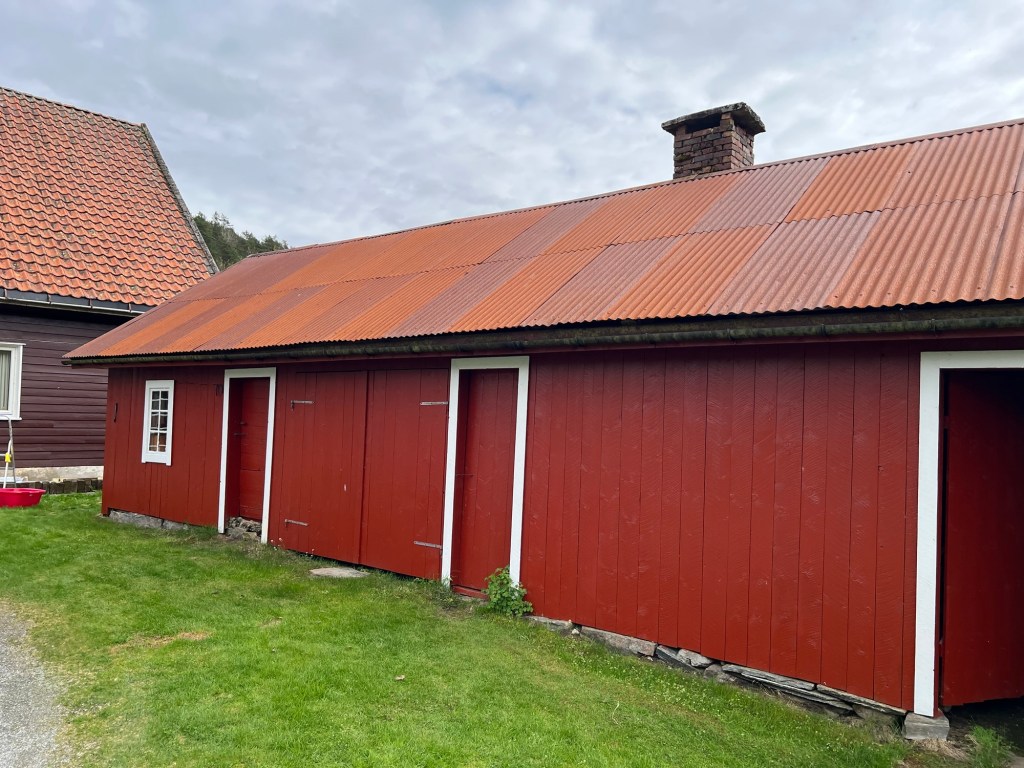
As I mention above, Malene grew up on one of the many bruk that comprised the Bruland farms. My guides took me to the exact spot where Malene once lived:
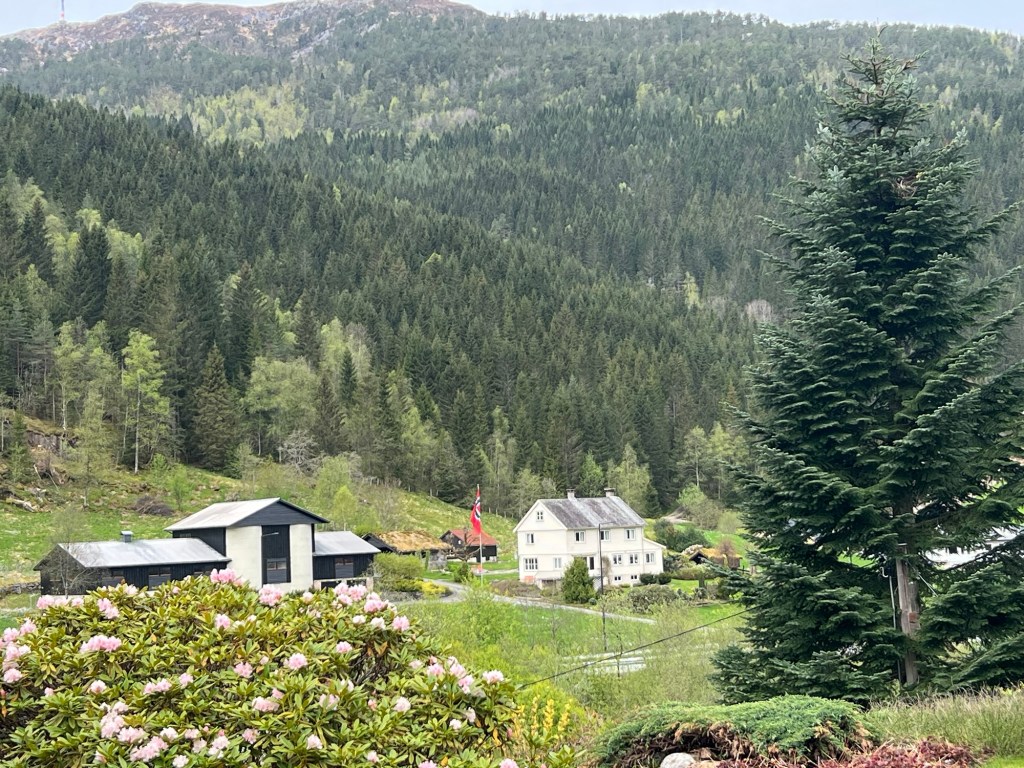
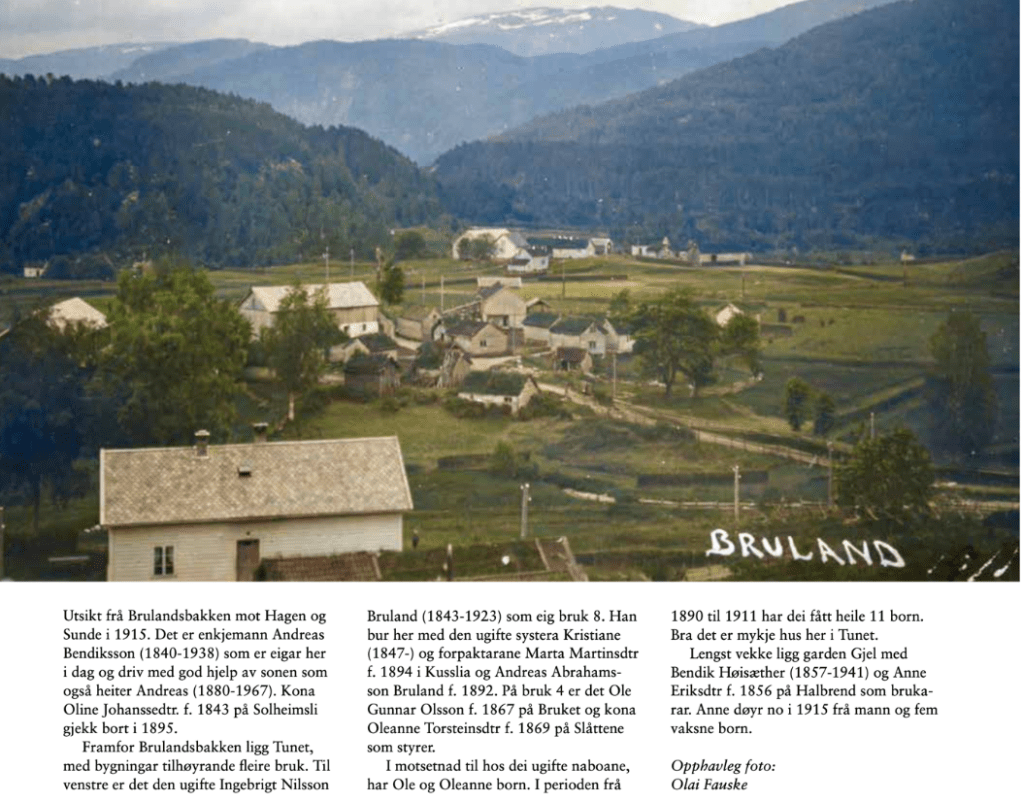
Most of the buildings on this site today were built after Malene left, but they are built in a traditional style that pays respect to the area’s history. The property is now owned by Siv Bruland and Alv Avedal.
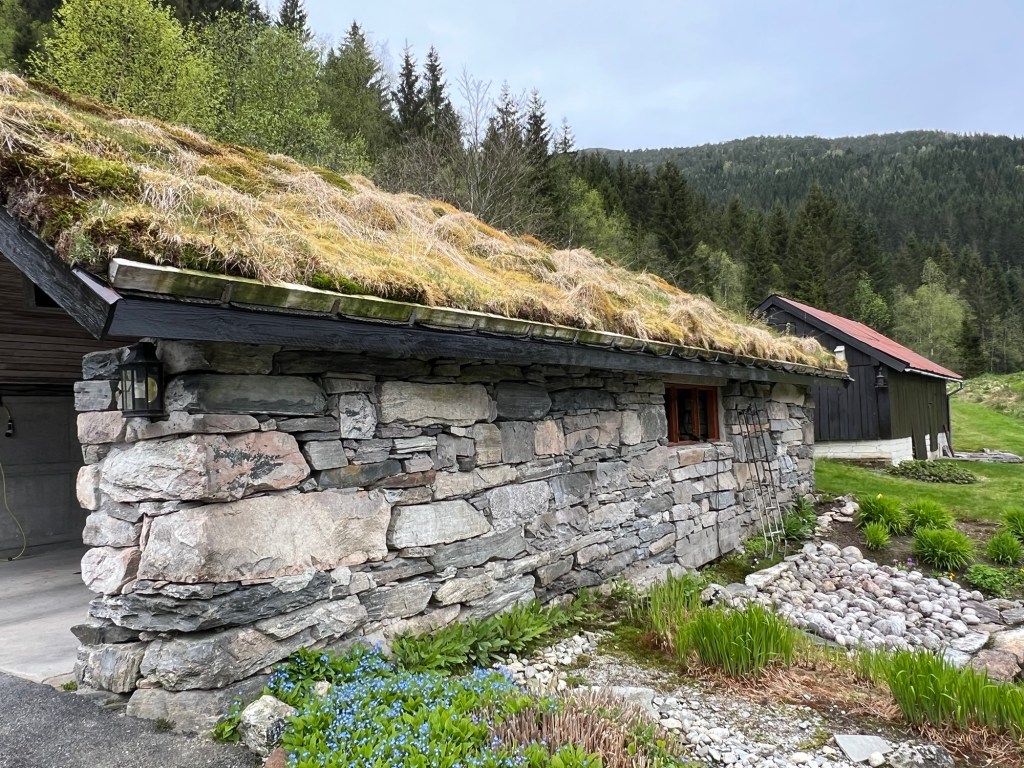
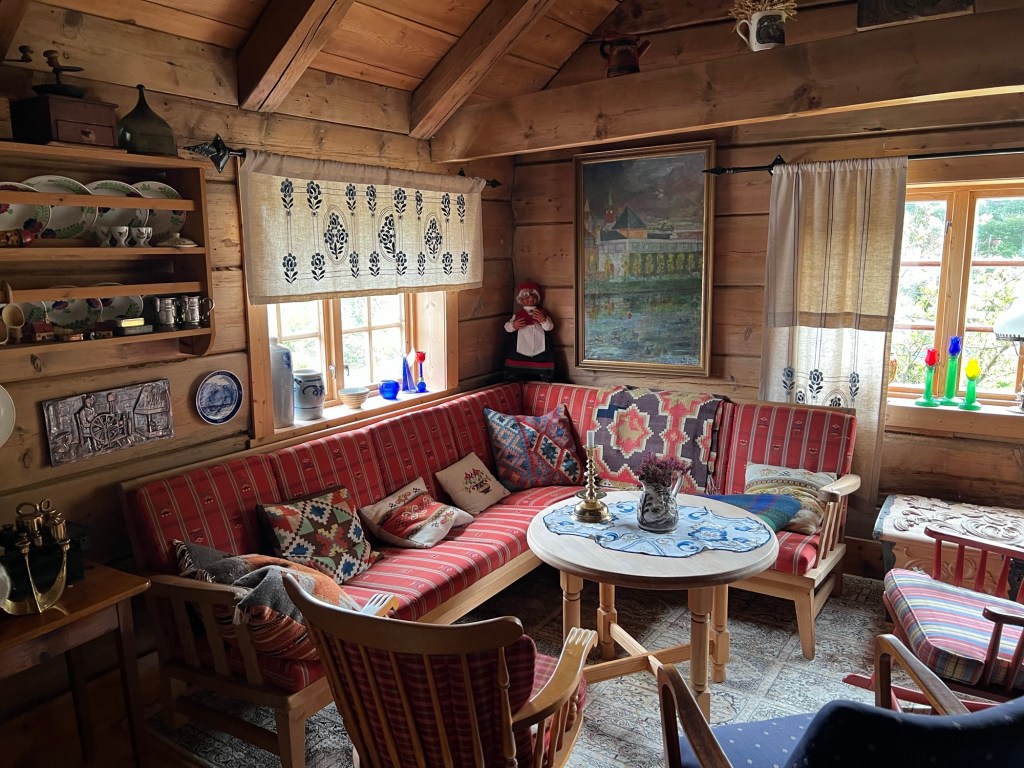
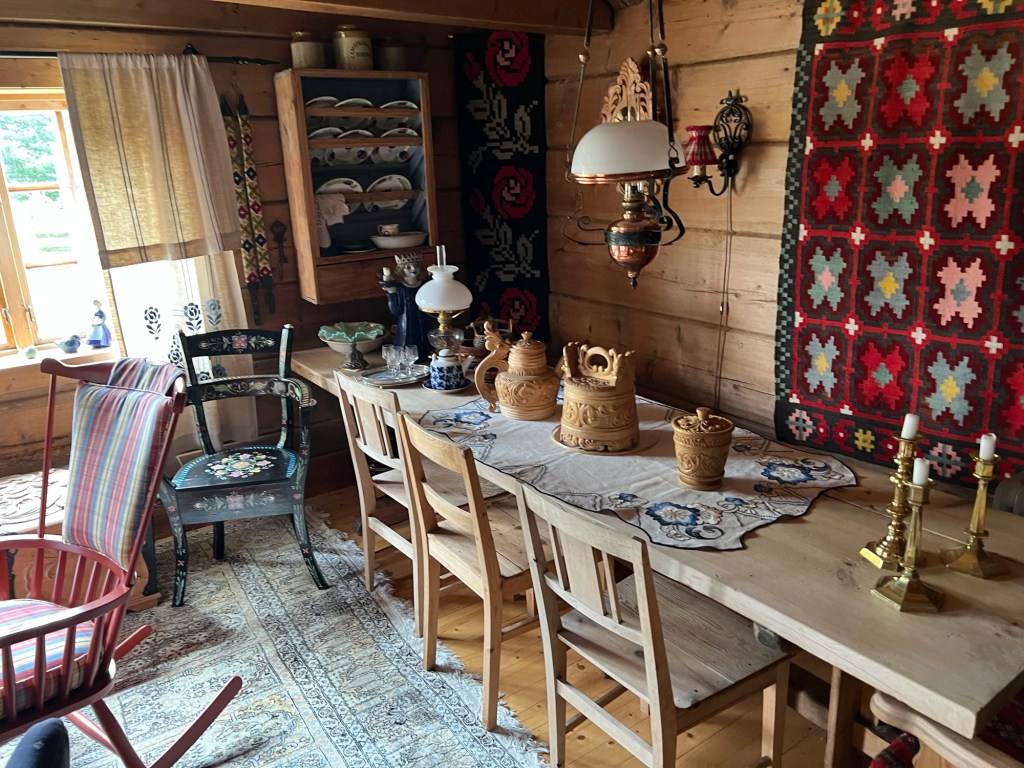
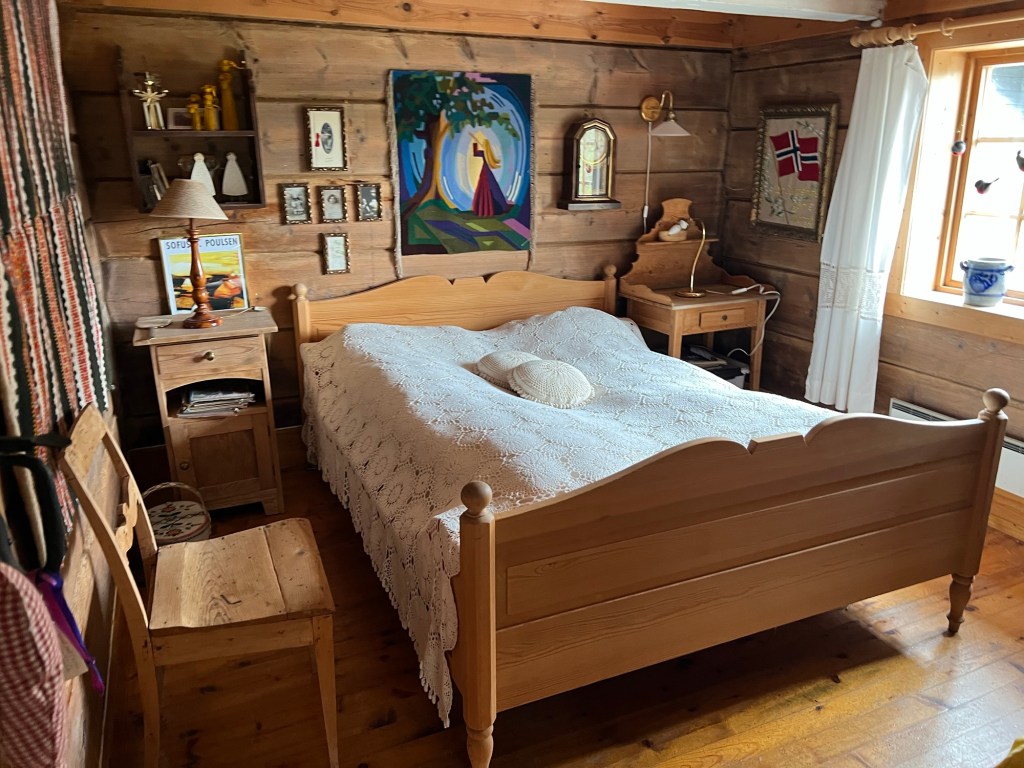
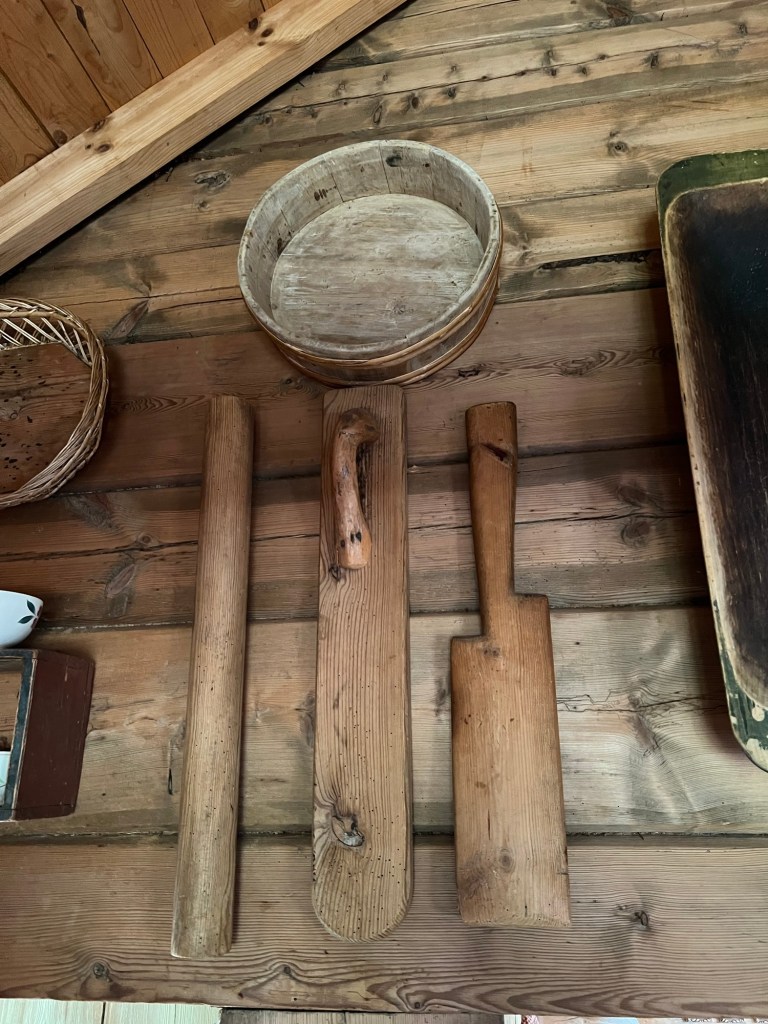
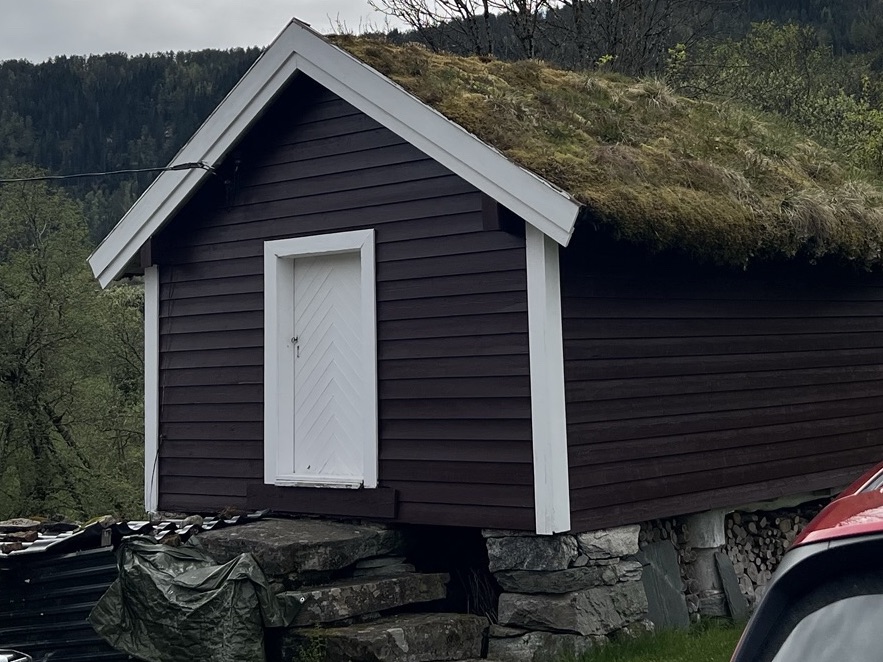
Interestingly, the house that once stood at Heggefjellet was moved to a property across the road, owned by Siv’s mother Signe Bruland. Years ago, the family used the house as a rental property for fishermen who came seeking the giant salmon and trout that thrived in the Jølstra River. Today, Signe has transformed this place into a magical spot — a delightfully furnished guest home surrounded by immaculate gardens. Stepping into this home, I knew I was literally walking in my 3x great-grandmother’s footsteps — she may have personally lived here. And even if not, she would have known this house well.
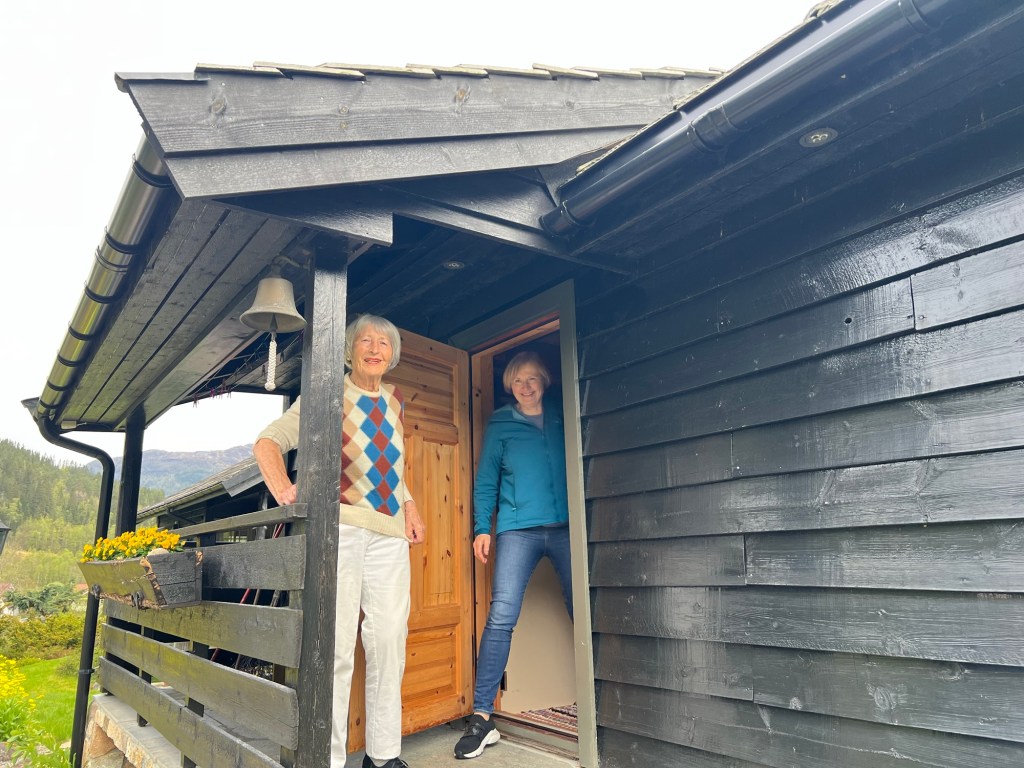
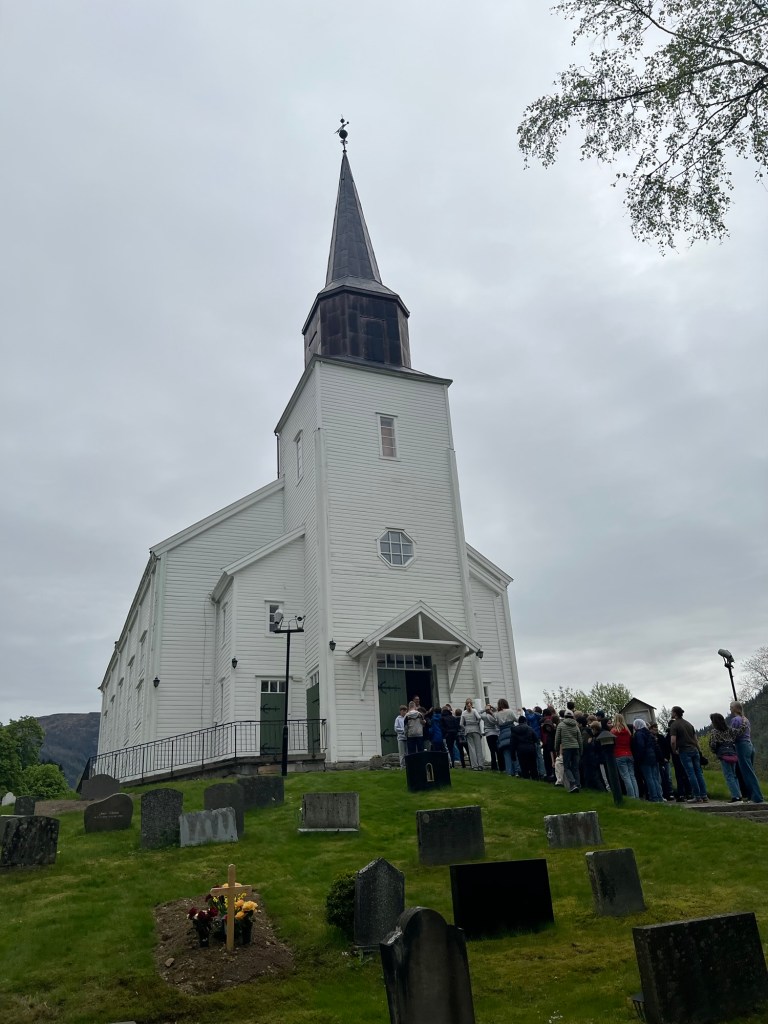
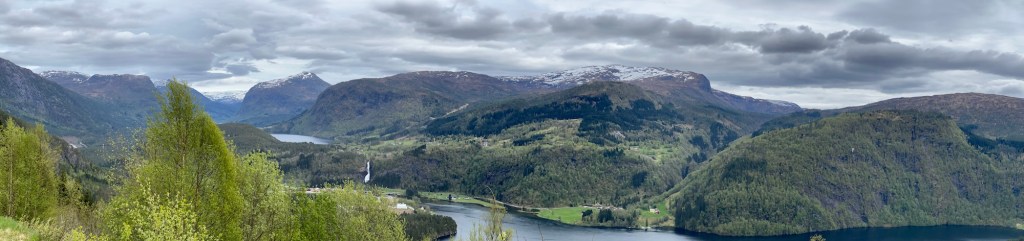
From here our group traveled to Åsane, to see the farm where Malene’s mother Kirsti Andersdatter grew up. Today the farm is owned and operated by Ole Johan Åsane, who took time out of his busy schedule — it’s currently lambing season — to show us around the property. Åsane is tucked away in the uplands beyond the Huldafossen Waterfall. The farms up here have breathtaking views of the mountains.
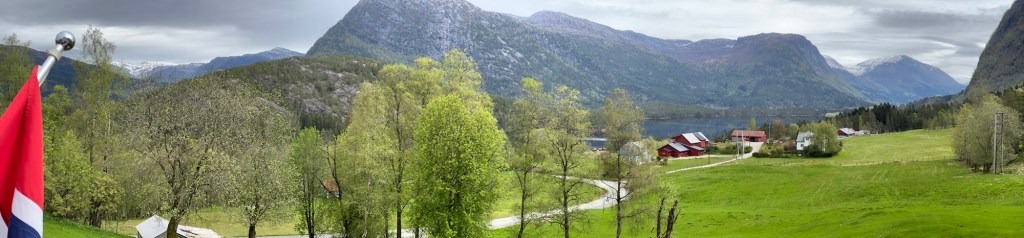
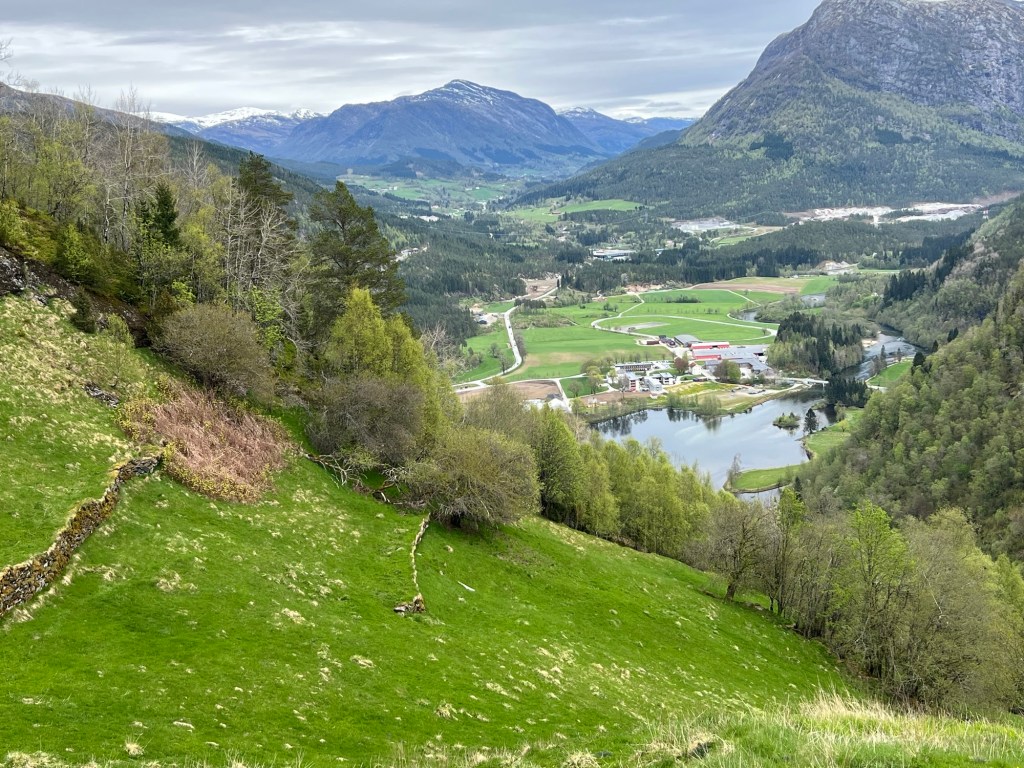
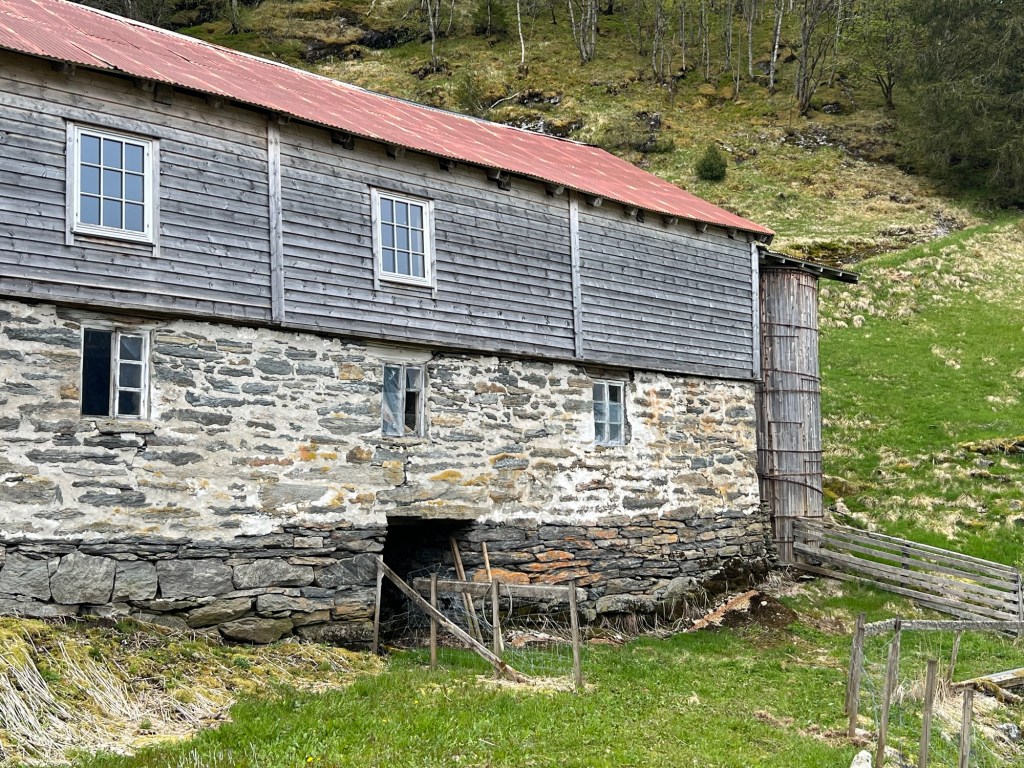
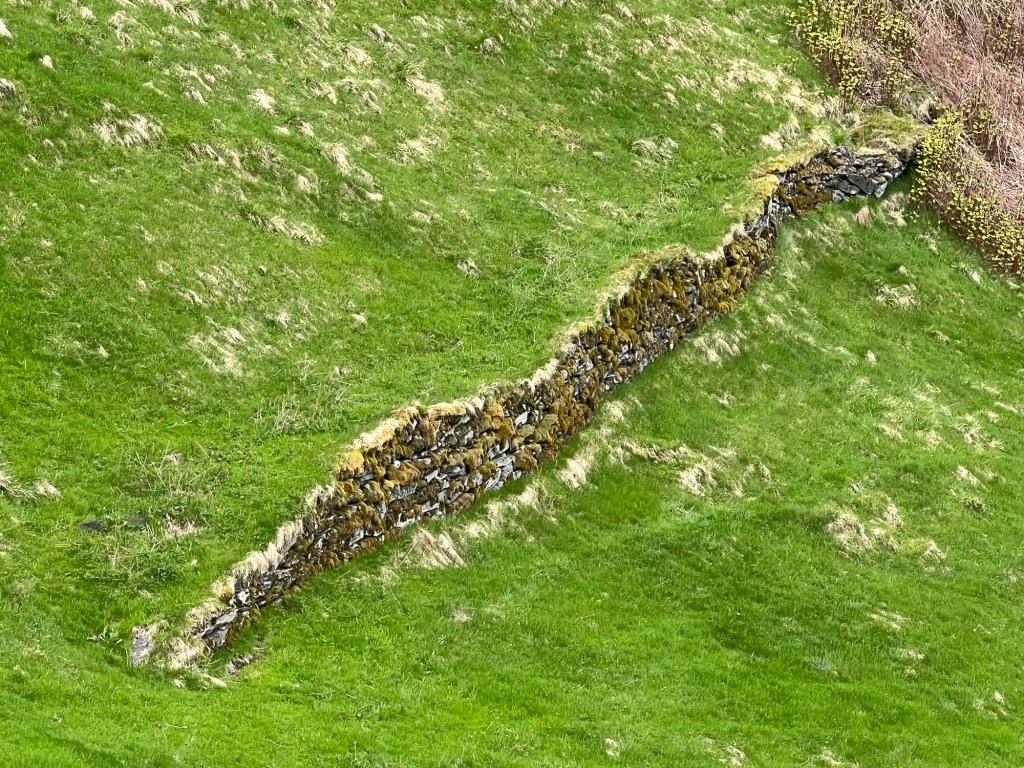
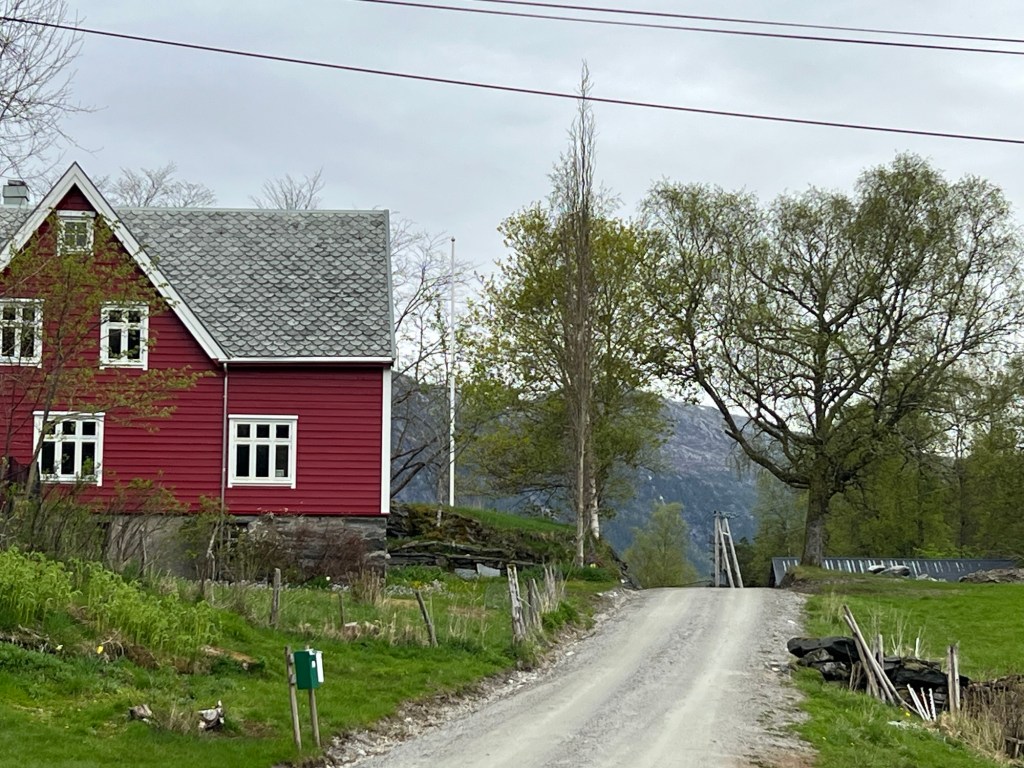
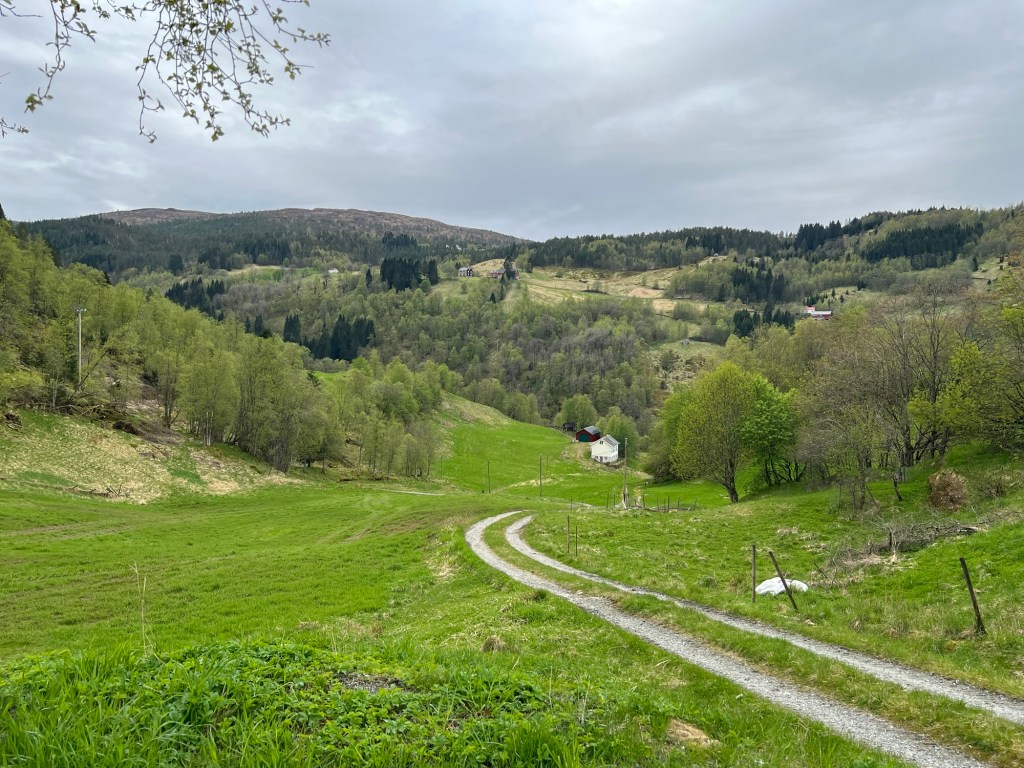
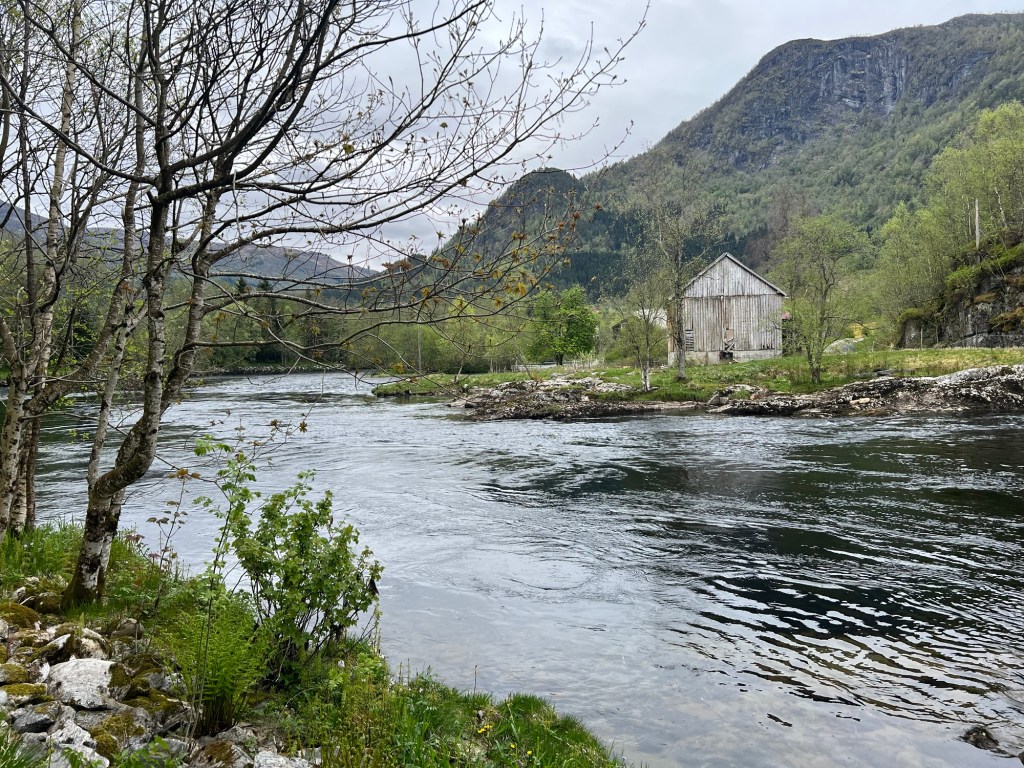
One of our final stops of the day was at the bruk called Gjel at Bruland. As I write above, Mr. Fossen believes (and I’m inclined to agree!) that Malene’s father Ole Gundersen Bruland came from this farm. Gjel lies on a serene bend in the Jølstra River. Here the current owner, Mr. Høgseth, has been working hard to revive and conserve the native salmon population.

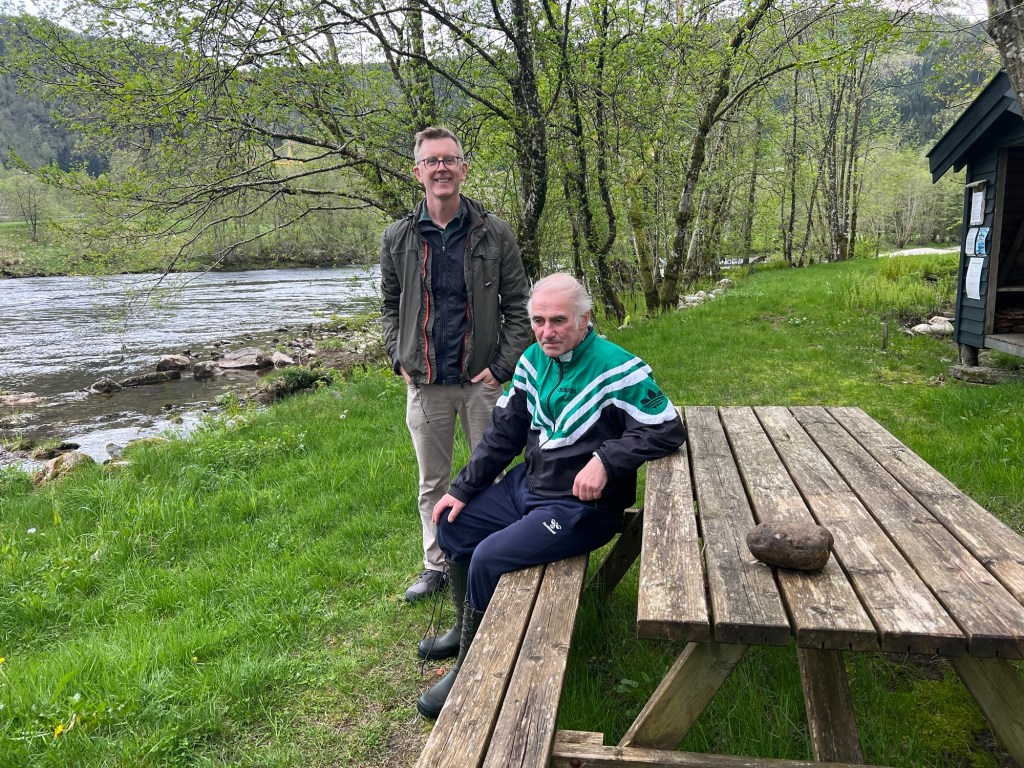
I could probably make this post 10 times longer without trying too hard — my generous hosts packed so much into this amazing day for me.
I will simply conclude by saying that my ancestor Malene Olsdatter left this area 175 years ago with a mixture of emotions that I can only imagine — sadness over saying goodbye to loved ones, excitement for a new life with her fiancé, and probably a healthy dose of fear about what was in store for her in America. Tomorrow morning I’ll be leaving Førde with a different set of mixed emotions: joy over making new friends, gratitude for all of the kindness that was shown to me here, and a pang of regret for the shortness of my visit. I hope I can make it back here one day.
[1] I took a great deal of artistic liberty with the italicized introduction to this post. This “dramatization” is based on fragments of a story passed down in our family. We have no evidence that Ole was actually in Førde, but the family story that was passed down (see this post) suggests he was there. Church records show that Ole migrated out of the parish on April 16th, 1849 — “to Bergen”. We might assume he left Bergen for Førde sometime later that year or in early 1850.

[2] Not everyone wants to read how the genealogical sausage gets made, so I’ll footnote this: Locating the correct Malene Olsdatter Bruland was a long process. In 1975, my great-aunt Helen wrote to the renowned Norwegian-American genealogist Gerhard Naeseth asking for help. Mr. Naeseth managed to find Ole and Malene’s names on the ship manifest of the brig Nordlyset, but when it came to their families of origin, even he was at a loss. He suggested Helen solicit the help of a scholar in Bergen by the name of Lars Oyane, and Helen wrote him immediately.
Mr. Oyane did some research and could not discover any trace of Ole Jensen Hauge. This was because he was looking for Ole in the area near Førde — a logical but false assumption. (We now know that Ole was from Arna, near Bergen. I wrote about his origins in this post.) And regarding Malene, Mr. Oyane concluded that she was born Louise Malene Olsdatter on the Bruland farm in Førde in 1824. But what Oyane had overlooked was that there was another Malene Olsdatter born on the Bruland farm in 1824. Last year I discovered this Malene in the Førde bygdebok with the note: “Gunhild Malene. f. 1824, det var truleg ho som kalla seg Malene Olsdatter og emigrerte til Amerika den 2. mai 1850, den første registrerte Amerika-farar frå Førde” (Gunhild Malene b. 1824, it is believed she called herself Malene Olsdatter and emigrated to America on the 2nd of May, 1850, the first registered emigrant to America from Førde).
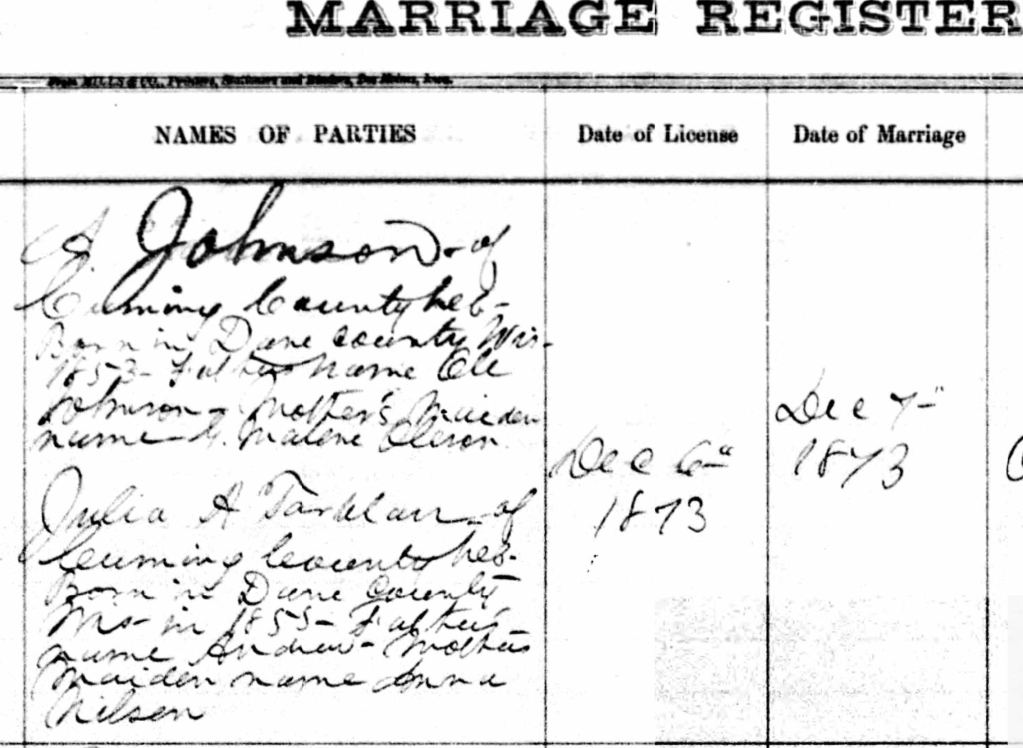
Could that be right? Bygdebøker are secondary sources and not as reliable as the primary sources they are based on. For several months I tried to find some kind of evidence — documentary or DNA — that would establish which Malene was ours. Eventually I gave up and asked for help from the local archivists at Vestland fylkeskommune. To my surprise and delight, Ms. Anett Ytre-Eide at the archives got back to me with conclusive evidence that Louise Malene had stayed in Norway until the end of her life, while Gunhild Malene disappeared from Norway’s records in 1850. Neither first name (Louise nor Gunhild) are used in any American documents I can find, but if you look carefully at the Nebraska marriage record for my great-great grandparents, Albert and Julia Johnson, it does appear to list Albert’s mother’s maiden name as “G. Malene Oleson”. (Incidentally, Albert and Julia moved back to Wisconsin shortly after marrying in Nebraska.)



 Deep Roots
Leave a reply to Notes from the heartland (Part 4: Nebraska) – Deep Roots Cancel reply