
My dog Spence and I journeyed to the center of the world on Wednesday. We’re back, and we thought we’d tell you a little about it.

Minnesota’s indigenous people have passed down a variety of creation stories. Several of these speak of humankind’s origins at the confluence of the Minnesota and Mississippi rivers. This land has thus been held sacred by the Dakota and the larger Oceti Ṡakowiŋ (aka Seven Council Fires or “Great Sioux Nation”). As described on the website of the Minnesota Historical Society,
“…the spirits of the people came down from Caŋku Wanaġi, ‘the spirit road,’ made up of the stars of the Milky Way, and when they arrived on Earth, the Creator shaped the first people from the clay of Maka Ina, ‘Mother Earth’ at Bdote. The people were the Oceti Ṡakowiŋ, a society that reflects their cosmic origin.“

The bdote (“confluence” in the Dakota language) was not only sacred but strategic. The colonizing forces from the East Coast understood that anyone who controlled this area controlled the Upper Mississippi and the valuable fur trade within it. More than any other Europeans, the French successfully penetrated the North American interior and forged lasting alliances with the native peoples. They dominated the region’s fur trade for the better part of three centuries, starting in the early 1500s. This dominance ended with the French surrender to the British at Montréal in 1760 – coincidentally, 265 years ago today. Had Montréal not fallen, maybe I’d be writing this post in French.
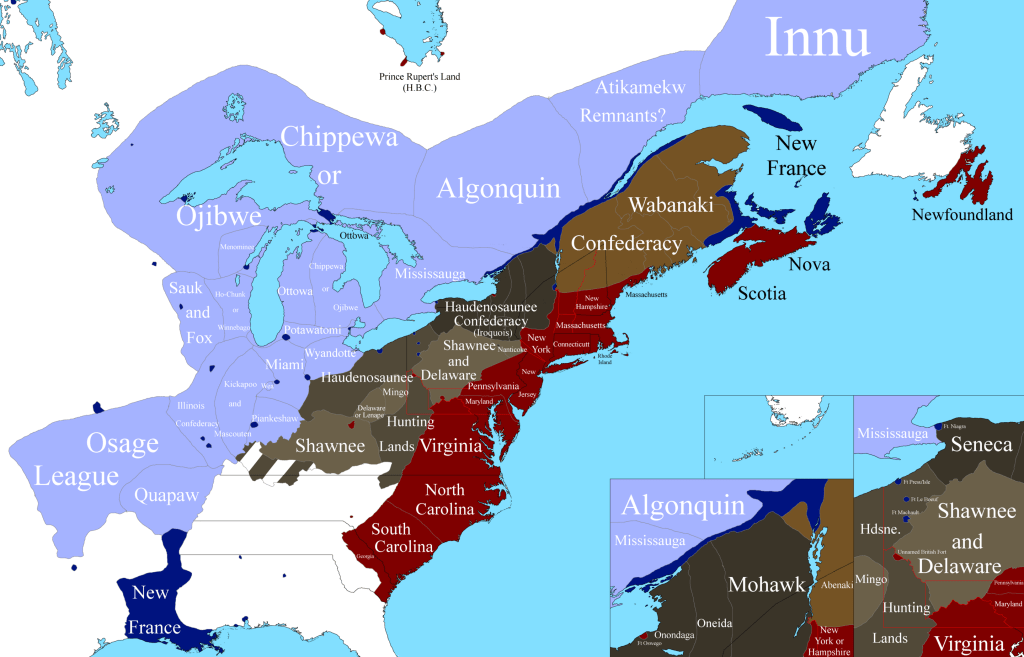
The British took over the French fur trade in the Great Lakes region, but they never fully secured the Upper Mississippi. Under the Hudson’s Bay Company, they did brisk business in the area through the early 1800s, much to the chagrin of the newly formed United States. The U.S. had its own booming fur trade, and after wresting their independence from Britain in 1783, Americans laid claim to all lands south of the Great Lakes and east of the Mississippi. And then in 1803 the U.S. negotiated with France to gain rights over the vast plains west of the Mississippi – the Louisiana Purchase.

But in practice, “Louisiana” was neither French nor British nor Spanish nor American. It was controlled by dozens of native nations, who had ceded nothing in 1803. The U.S. government, through its representative Lt. Zebulon Pike, made a shady treaty with the Dakota people in 1805 to secure land at the confluence of the Minnesota / St. Peter’s and Mississippi rivers and build a fort there. But a fort wasn’t built at the bdote until the 1820s. Both U.S. and British authority in the region was tenuous at best throughout the early 1800s. The situation almost ensured conflict.
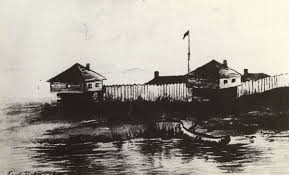
The struggle between Britain and the U.S. for regional supremacy came to a head at the 1814 Battle of Prairie du Chien, a little-known chapter in the War of 1812. Under the command of Missouri Territory Governor William Clark (yes, that William Clark), the Americans hastily built a fort near the old French trading post of Prairie du Chien, situated at the confluence of the Mississippi and Wisconsin rivers. The Wisconsin River was a key artery in those days because it linked the Mississippi with the Great Lakes (via a portage to the Fox River), and thus the Atlantic. Unfortunately for the Americans, the fort at Prairie du Chien was captured by the British and their Ho-Chunk and Menominee allies a mere month after it was built. The British handed it back to the Americans once the war concluded in 1815, but first they gave it the same treatment they gave the White House: they burnt it to the ground. Had the war wrapped up slightly differently, the Upper Mississippi might have been included in Canada.
Anxious to secure the new territory, the Americans finally built their fort at the bdote in 1822. Sadly for Spence and me, dogs can’t take the tour at the fort, so I came back without him the next day.
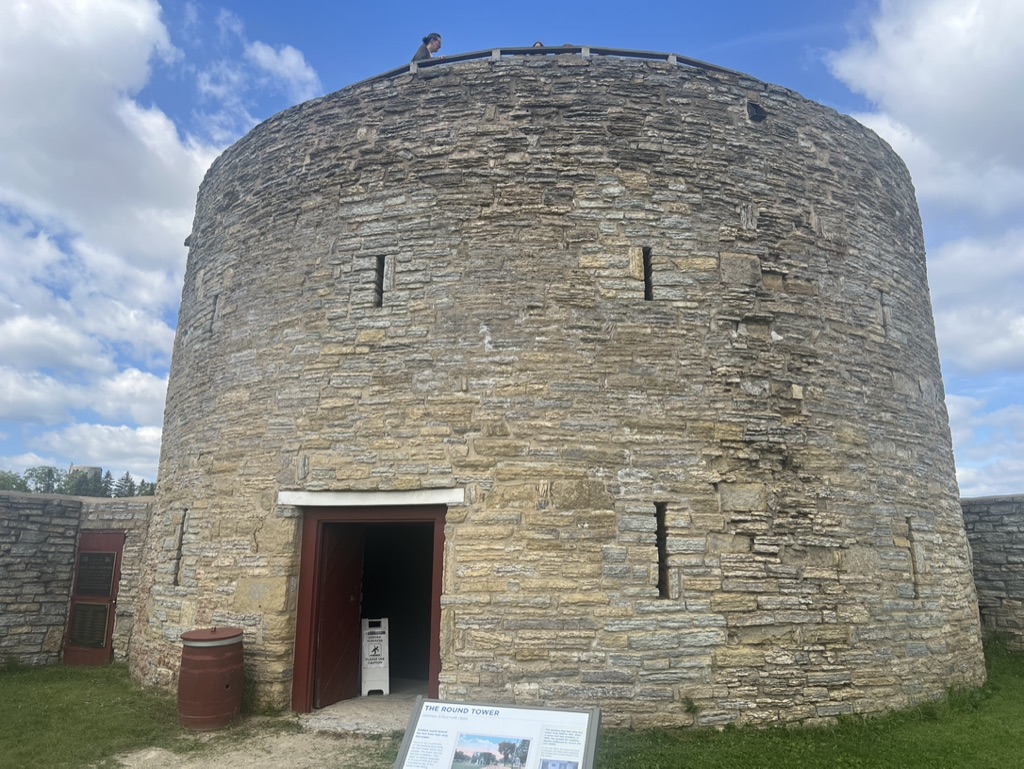
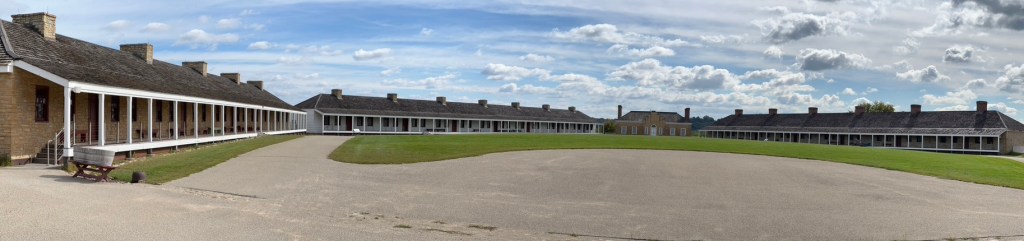
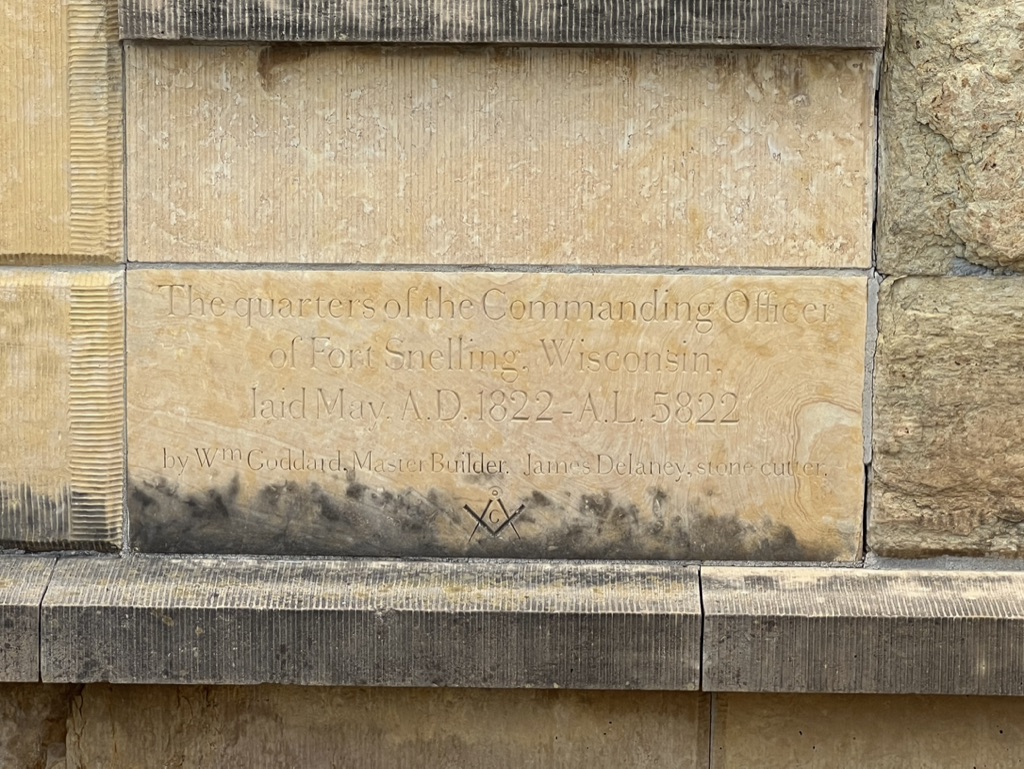
Named after its first commander, Fort Snelling is situated on the bluffs overlooking the confluence of the rivers below. In a strictly militaristic sense, Fort Snelling never saw “action”. A third conflict with Great Britain never came and no battles of the Civil War were waged in this region. Even during America’s wars with native peoples, Snelling wasn’t attacked. But the fort has borne witness to American history in other ways.
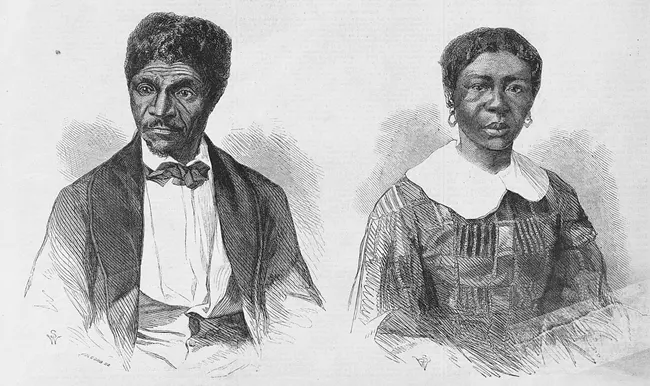
For instance, in 1837 a U.S. Army doctor by the name of John Emerson came to reside at Snelling with an enslaved man he had purchased in Missouri — Dred Scott. There Mr. Scott fell in love with and married Harriet Robinson, an enslaved servant of Fort Snelling’s Indian agent, Lawrence Taliaferro. Taliaferro, acting as justice of the peace, performed the marriage himself and allowed Mrs. Scott to be transferred to Emerson. Emerson got assigned to various posts in the Midwest and brought the Scotts with him. After Emerson’s death, the Scotts tried to buy their freedom from his widow. When she refused, they sued for their freedom, claiming that they had been held illegally in non-slave states and territories (Fort Snelling was, at this time, in Wisconsin Territory, where slavery was illegal.) The case went all the way to the Supreme Court and the Scotts’ legal defeat further flamed the tensions in the lead up to the Civil War.
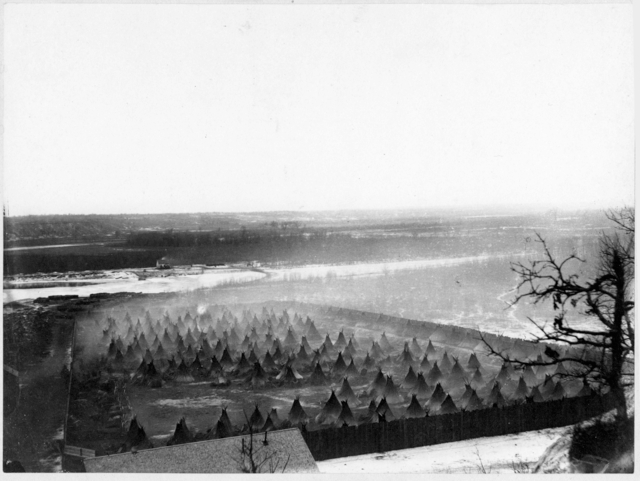
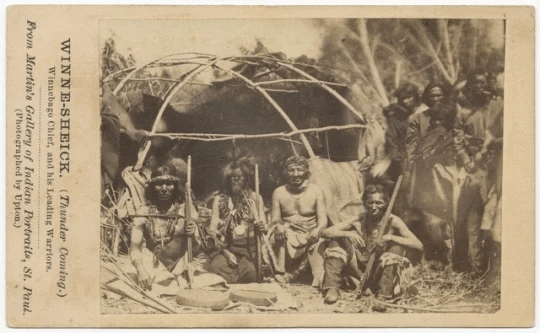
During the Civil War, Fort Snelling was an important site for Minnesota soldiers to be recruited and trained. Some 25,000 soldiers passed through the fort during the war. Meanwhile, in the war’s second year, Minnesota’s Dakota people faced starvation due to their treatment at the hands of American settlers and the broken promises of Indian agents. A faction rebelled, killing five white settlers and kicking off a series of conflicts known as the Dakota War. U.S. Army regiments put down the rebellion and rounded up hundreds of combatants. Over 300 Dakota men were sentenced to death and 38 were hanged at Mankato after short and unfair trials. Over 1,600 non-combatant Dakota people were forced into a concentration camp set up at Fort Snelling. In the conflict’s aftermath, almost all Dakotas in Minnesota were exiled to far-flung reservations, as were 2,000 Ho-Chunk people who had not participated in the war.
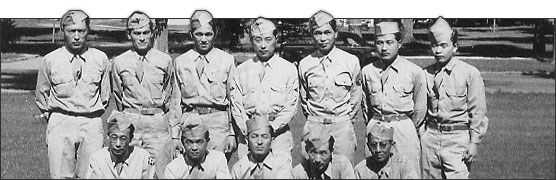
Snelling continued to be an important military recruiting station for the next century of wars – the Spanish-American War, World War I, and World War II. As a former student of Japanese, I was fascinated to learn that Snelling was also the site of a Japanese language academy during the Second World War. The Military Intelligence Service Language School (MISLS) trained over 6,000 men and women of Japanese ancestry in language skills that would help the U.S. armed forces decipher Japanese communications. They played a key role in Japan’s defeat. It’s a sad irony that most of these vital contributors were recruited out of the interment camps that the U.S. government had forced Japanese Americans into during the War.
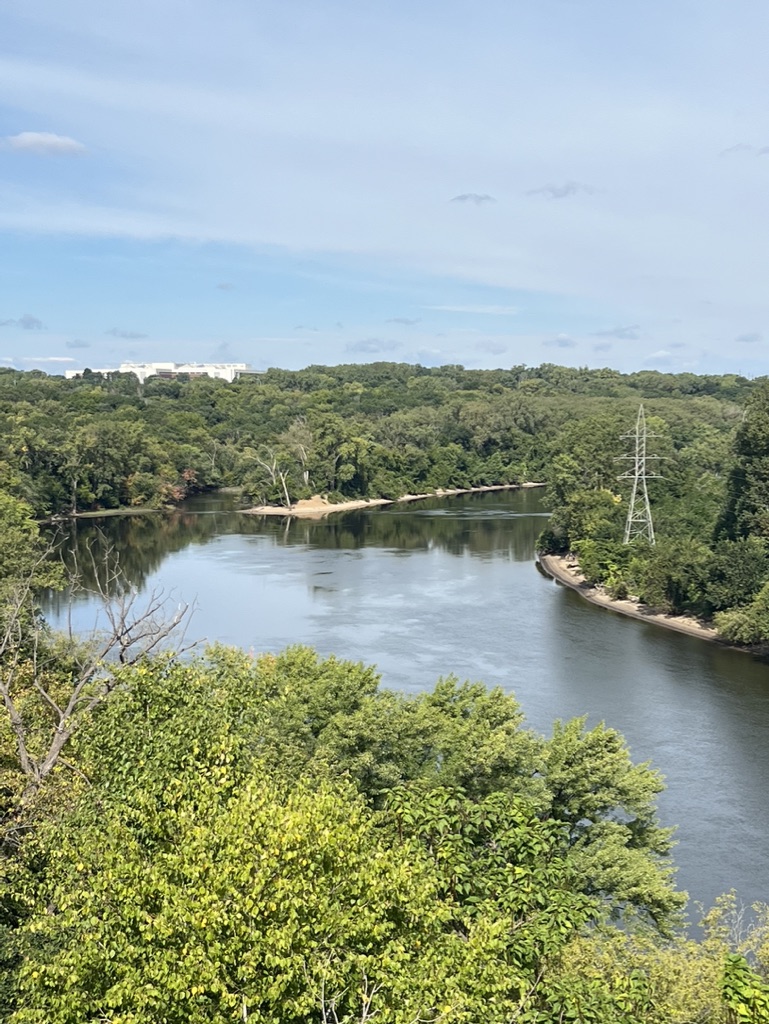
Spence and I had come to walk the bdote, the confluence of rivers. What we discovered was a confluence of histories, some proud and some painful, and a true center of the world.




 Deep Roots

Leave a reply to Bev and Dennis Rude Cancel reply